Clogged Main Sewer Line or Full Cesspool? How to Tell in Suffolk County
The path your wastewater takes
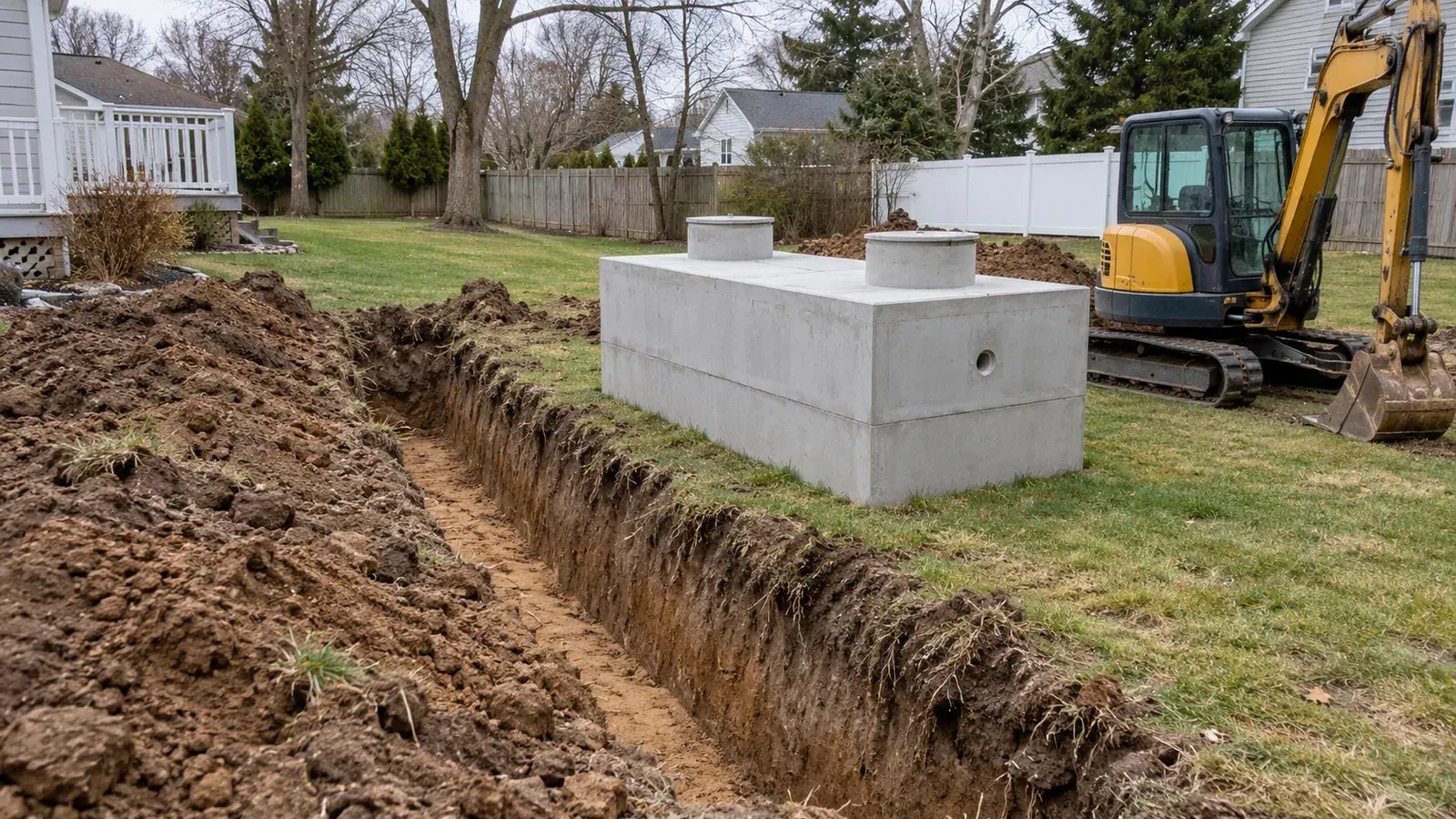
In brief: Wastewater travels through the plumbing in your house to a main drainage pipe, then to the property's wastewater system, where the route differs between a cesspool that releases liquid directly into surrounding soil and a conventional septic system with a separate tank and leaching area.
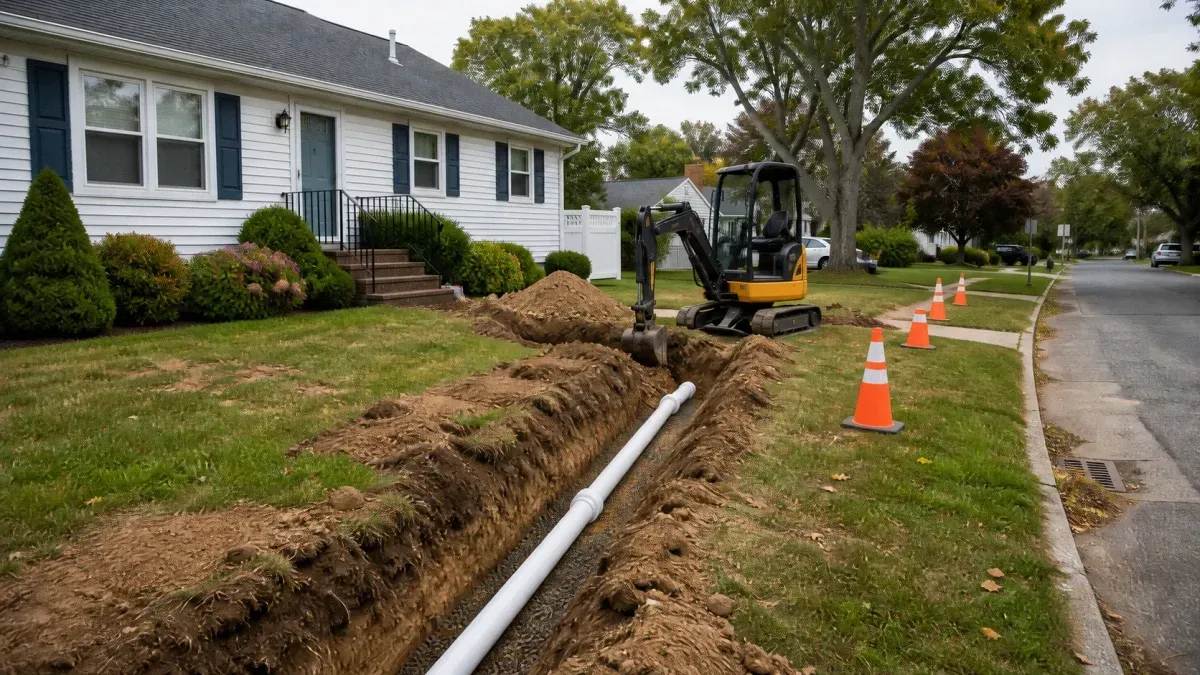
The EPA's New Homebuyer's Guide to Septic Systems describes one main pipe carrying household wastewater to a septic tank. Inside that watertight tank, solids settle and fats float; liquid then leaves for the drainfield and moves into the soil.
A cesspool is different. Under Suffolk County Sanitary Code, Article 6, it receives wastewater directly from the building sewer, collects solids and releases liquid into surrounding soil. That definition does not describe a separate treatment tank ahead of the cesspool. Read more about the difference between a cesspool and a septic system.
Where a blockage can be, and how a professional confirms it
In brief: The useful question is where wastewater stops moving along its route, because university extension guidance identifies possible obstructions inside the house, along the connecting pipe, inside the septic tank and beyond it, while professional inspection checks must match the components actually installed on your property.
| Where the blockage can be | What the source lists | How a professional checks it |
|---|---|---|
| Fixture drains and other in-house plumbing | UNL includes obstructions within household plumbing. | Inspects the affected plumbing to locate the obstruction. |
| Line between house and tank or cesspool | UNL identifies the house-to-tank wastewater pipe; Article 6 identifies the building sewer feeding a cesspool. | Inspects the connecting line and its condition. |
| Septic tank or cesspool | UNL lists tank obstruction. A cesspool's direct-receiving chamber is a different structure under Article 6. | Examines the structure and wastewater movement; for a septic tank, checks solids and inlet/outlet condition. |
| Downstream line or leaching area | UNL includes downstream piping, distribution components and the soil interface. | Checks applicable downstream components and drainage; for a cesspool, evaluates release into surrounding soil. |
Sources: UNL Extension, NebGuide G1424; Article 6 for cesspool adaptations; EPA inspection guidance for professional checks. The table is a location guide, not a diagnosis or a complete list of causes.
Ask the professional to explain which component is affected and what supports that finding. Once the location is established, our separate guide covers drain cleaning and hydro jetting costs.
What to notice before you call
In brief: Describe what you have already observed, including the affected fixtures, when the problem began and whether normal water use seemed to change it, so your call starts with a clear account of events instead of an assumption that the main line or cesspool is responsible.
- List the sinks, tubs, toilets or floor drains that are slow or backing up.
- Say whether it began suddenly, developed gradually or has happened before.
- Report any connection you already noticed with laundry, showers or flushing, without running water to test it.
- Have previous inspection or pumping records available if you have them.
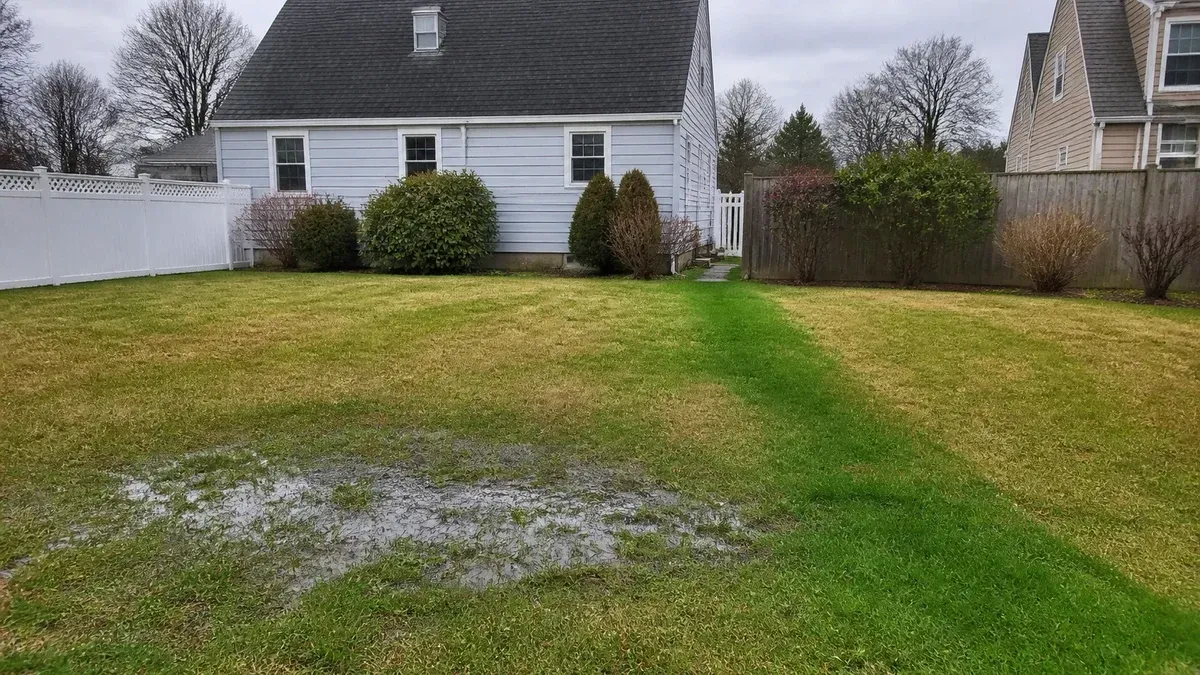
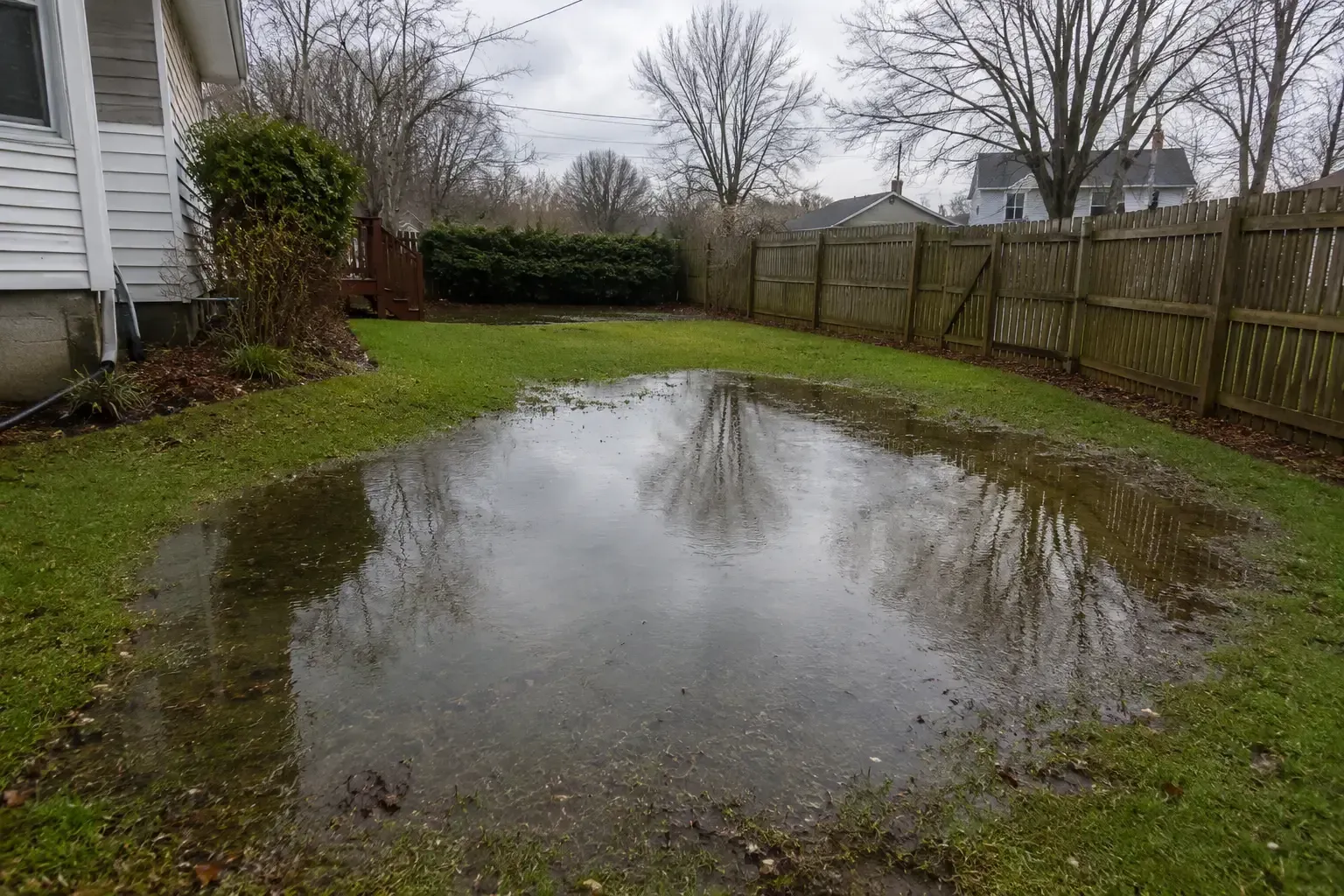
Note recent heavy rain: CDC guidance explains that saturated ground can prevent proper system operation, and our guide to cesspool backups after heavy rain covers that situation.
Also mention any odor, with separate guidance available for a sewer smell in the basement.
What not to do with a backup
In brief: Do not add chemical drain openers or keep sending water into an active backup, and leave access to the underground structure and main-line cleanout to a professional rather than opening either yourself while trying to work out where the obstruction might be located.
The EPA advises against chemical drain openers. Municipal wastewater guidance says to stop household water use during a sewage backup; Cornell also recommends conserving water when a septic system is failing.
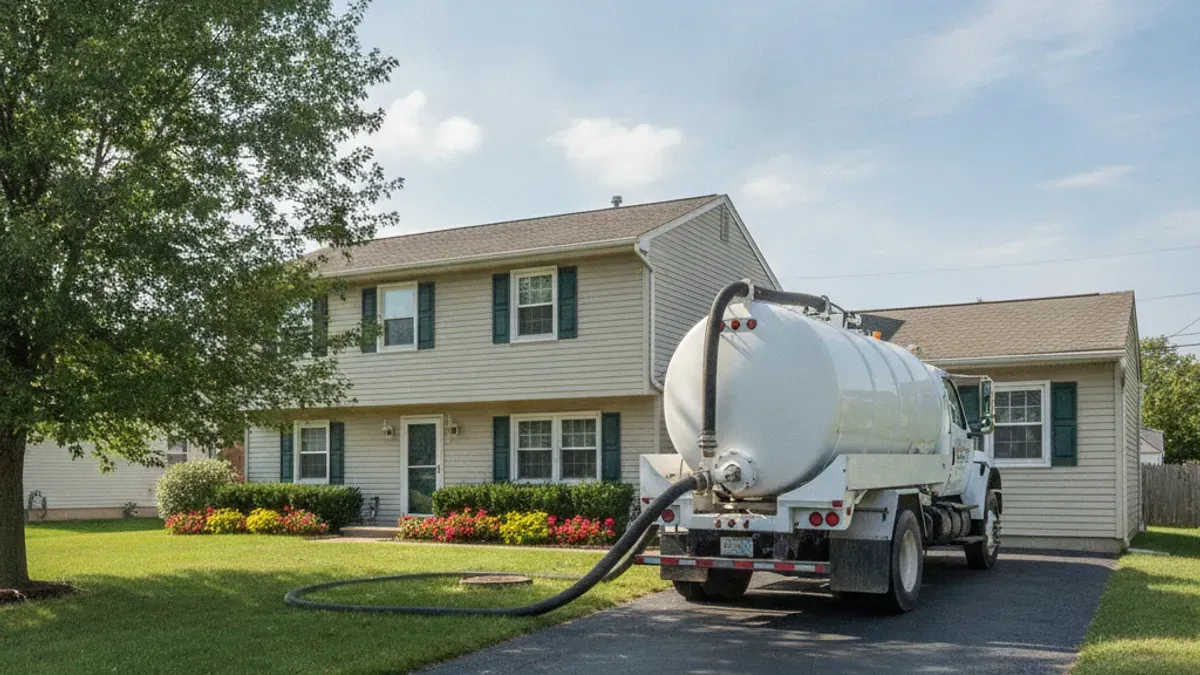
Only a licensed professional should open the cesspool or tank. Do not open a main-line cleanout yourself. EPA guidance reserves septic-tank cleaning and repair for trained specialists because tanks may contain dangerous gases. Government guidance also says to leave tank covers and blocked-line cleanouts to professionals. See what to do in a cesspool emergency.
When a backup means the cesspool itself is in trouble
In brief: Continued inability to accept wastewater deserves assessment of the whole system, because Suffolk County includes that condition in its failed-system definition, but a homeowner's report of a backup does not by itself establish which pipe, chamber or leaching component has stopped working properly.
The wording is "Continued failure to accept wastewater into the building sewer" (Suffolk County Sanitary Code, Article 6, Section 760-603, definition 17). Ask how the findings relate to that condition rather than treating every slow drain as proof that the cesspool needs replacement.
For the broader discussion, see signs of drain field or cesspool failure and when to replace a cesspool versus keep pumping.
How we approach a drain or line problem
In brief: When you contact Colletti Sewer & Drain, ask about Drain & Line Inspections and request confirmation of the affected component before authorizing work, with Sewer Line Repair & Replacement, Cesspool Pumping & Cleaning and Emergency Backup Service among the services listed on our homepage. Start the conversation with your observations and ask which service fits the inspection findings.
Frequently asked questions
In brief: These answers separate what a backup can indicate from what an inspection must establish, so you can describe the problem, understand the wastewater route and ask useful questions without choosing a repair solely from the number of slow drains or the assumption that the cesspool is full.
How can I tell if my main sewer line is clogged or my cesspool is full?
A professional needs to confirm the location of the problem. Slow drainage and backups can occur with obstructions at several points along the wastewater route. Write down which fixtures are affected and when the problem began, then request an inspection. Those observations describe the symptoms; they do not establish whether the obstruction is in household plumbing, the connecting line or the onsite wastewater system.
What is the main sewer line on a house with a cesspool?
Here, main sewer line means the pipe carrying wastewater from the house to the cesspool. Suffolk County's cesspool definition calls the incoming connection a building sewer. EPA describes the comparable route to a septic tank as one main drainage pipe leaving the house. The pipe and the receiving structure are separate parts of the route, so ask which part the professional has identified as the problem.
Can a full cesspool or septic tank make drains back up?
A problem in the receiving system can be associated with a backup, but full is not a complete diagnosis. UNL lists septic-tank blockage among possible causes, and Suffolk County recognizes continued inability to accept wastewater as a failed-system condition. Ask what the inspection found: an obstruction, accumulated solids or a problem with wastewater dispersal. That explanation is more useful than assuming the word full identifies the required work.
Should I use a chemical drain cleaner on a main line clog?
No, EPA advises against chemical drain openers for clogged drains in homes with septic systems. Its guidance explains that toxins poured down drains can kill the organisms that treat wastewater. For a suspected main-line problem, request professional assessment instead of using a chemical product to guess at the cause. Describe the fixtures affected and any products already used when you call for help.
What does a professional check during a septic system inspection?
A septic inspection checks the tank, connected components and available maintenance records. EPA lists sludge and scum levels, signs of backup, inlet and outlet condition, and the drainfield among the items evaluated. Distribution equipment is checked where present. A cesspool has a different arrangement, so ask which checks apply to your property rather than assuming every item on a conventional septic inspection list is installed there.
When should I call a professional about a drain backup?
Call promptly when wastewater backs up into household drains. EPA's homebuyer guide identifies wastewater backup or gurgling as a reason to call a septic service provider immediately. Cornell also identifies persistently slow sinks, tubs and toilets as possible failure symptoms. You do not need to decide whether the line or the receiving system is responsible before calling; describe what happened and request help locating the cause.
Find the blockage before you fix it
In brief: Start with a clear description of the backup and ask for the location to be confirmed, then discuss the work that fits the findings by calling Colletti Sewer & Drain at 631-644-4939 or using our contact page for help with a Suffolk County property.
Call 631-644-4939 or contact Colletti Sewer & Drain. We offer 24/7 emergency service.