Cesspool Backup After Heavy Rain in Suffolk County, NY: Causes and Fixes
Last updated: 2026-07-23
Reviewed by: Bernie Colletti, Colletti Sewer & Drain
TL;DR
A cesspool backup after heavy rain is usually caused by rising groundwater surrounding the system. In much of Suffolk County, heavy storms raise the local water table and saturate the sandy soil around the leaching area. When that soil cannot absorb additional wastewater, sewage has nowhere to go and may back up into the house or surface in the yard. This is a common Long Island issue because about 74 percent of Suffolk County properties rely on onsite wastewater systems rather than public sewers (Suffolk County Government).
At Colletti Sewer & Drain, we inspect first instead of assuming every backup means replacement. We determine whether the problem is a temporary storm related event, a maintenance issue, or a system that has reached the end of its service life. If your cesspool backs up after heavy rain anywhere in Suffolk County, call us 24 hours a day at 631-644-4939 for prompt service and an honest diagnosis.
Why cesspools back up after heavy rain in Suffolk County
In brief: A cesspool usually backs up after heavy rain because the surrounding groundwater rises and saturates the sandy soil that normally absorbs wastewater. Once that soil reaches capacity, wastewater cannot disperse through the leaching area, so it remains inside the system until it backs up into plumbing fixtures or surfaces in the yard. This pattern is especially common across Suffolk County because of the area's high groundwater, sandy soils, and widespread use of onsite wastewater systems.
If you've lived on Long Island for a while, you've probably noticed that some neighborhoods experience standing water after major storms while others drain quickly. That same groundwater affects what happens below the surface around your cesspool.
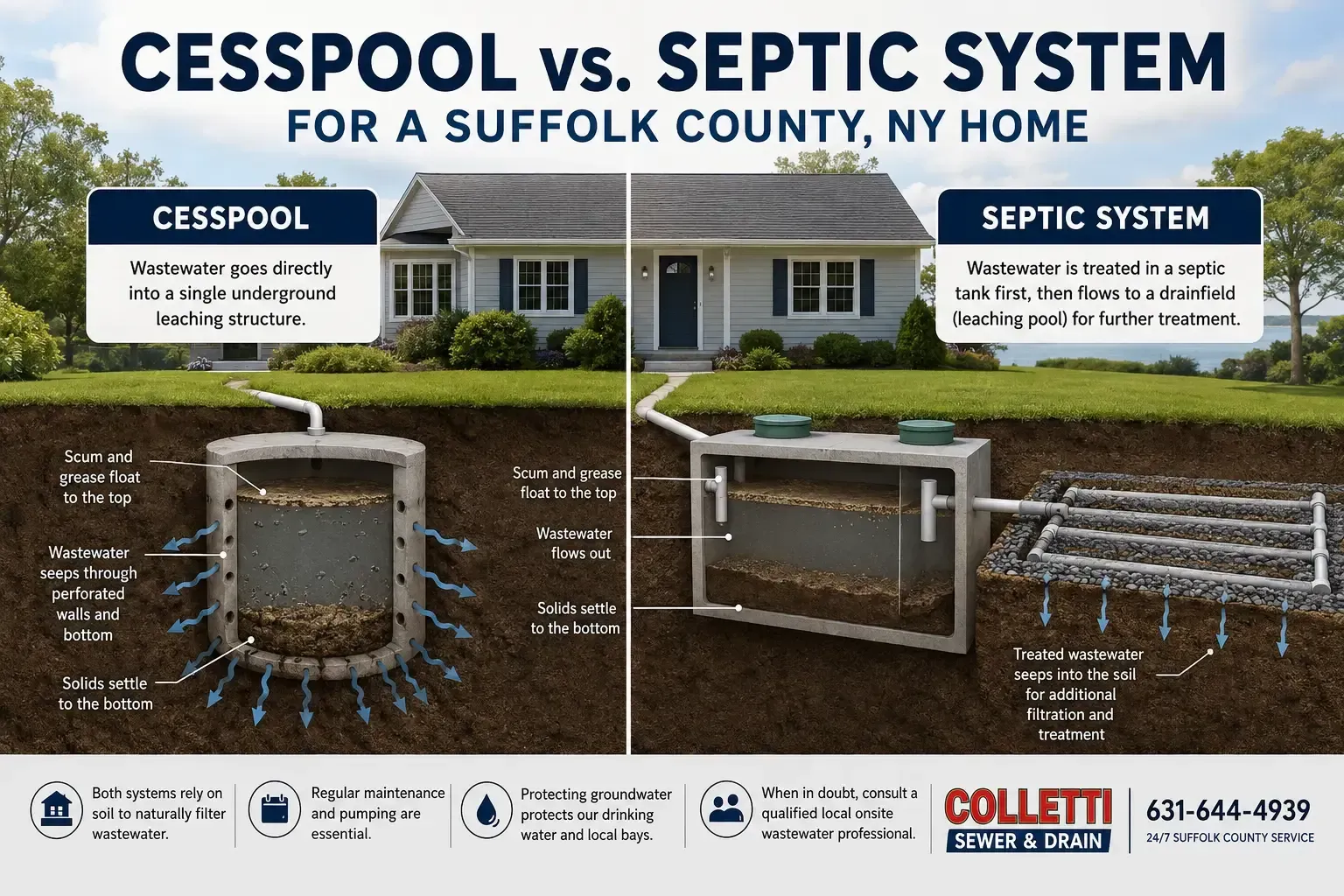
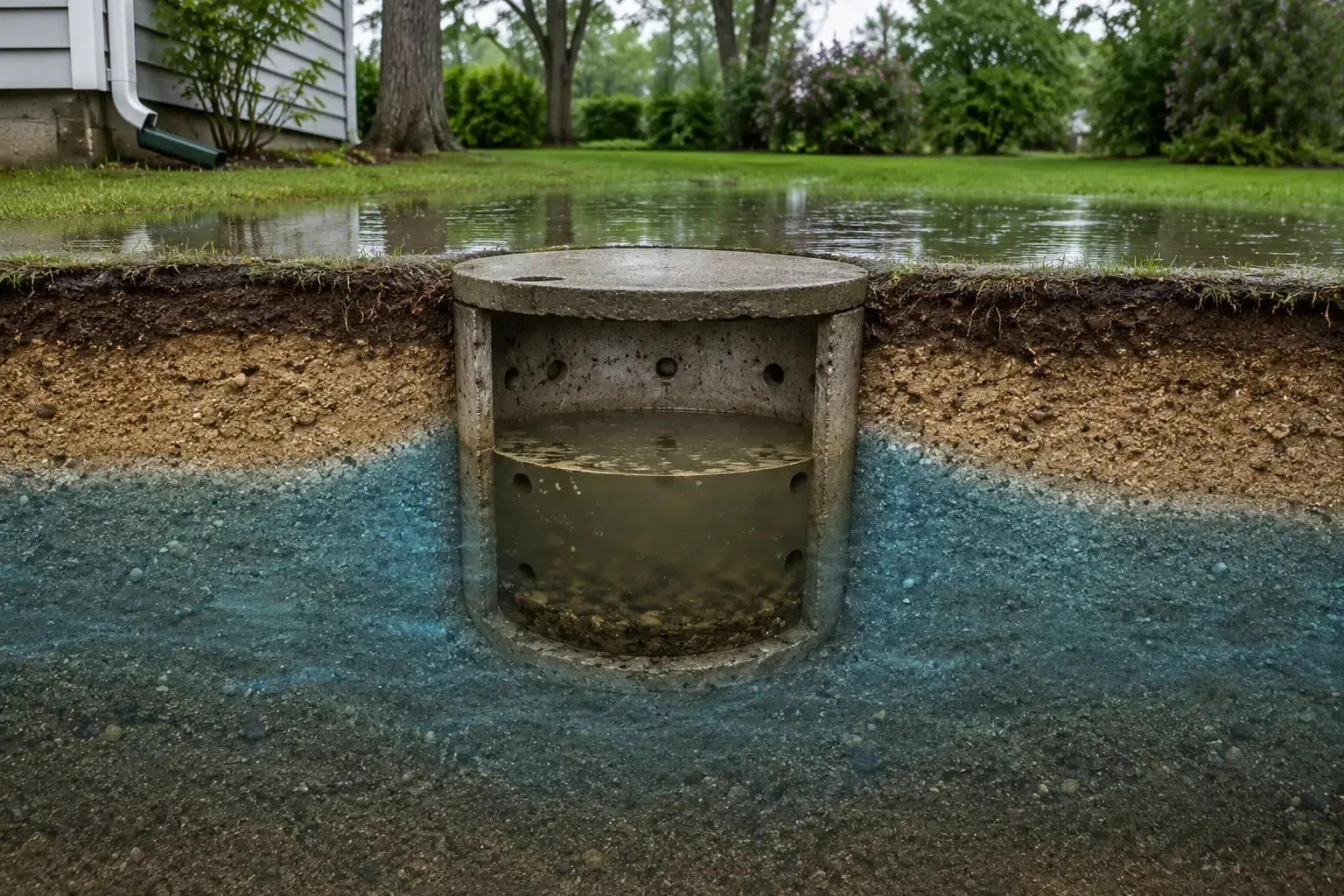
Unlike municipal sewer systems, a cesspool depends on the surrounding soil to accept and naturally filter wastewater. Under normal conditions, liquid leaves the cesspool through openings in the structure and gradually moves into the surrounding earth. When several inches of rain fall over a short period, that process slows dramatically.
Instead of accepting more wastewater, the soil becomes saturated.
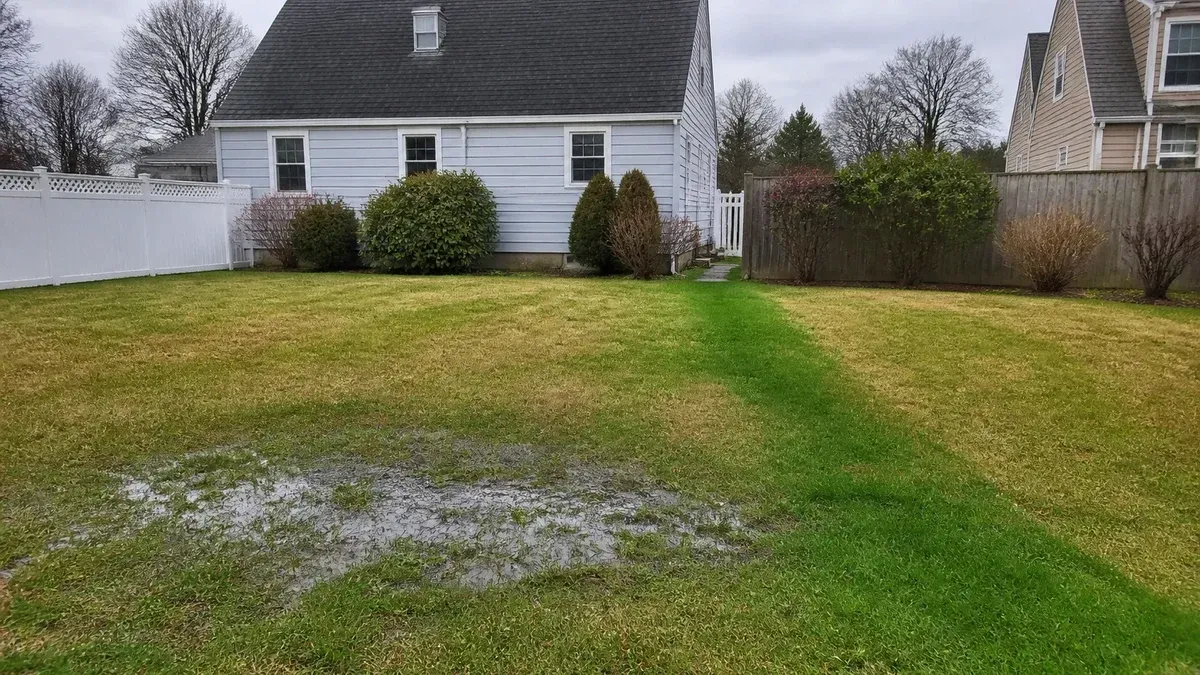
When groundwater rises high enough, it can surround the leaching area entirely. At that point, wastewater has nowhere to go. The system may still be structurally sound, but its ability to disperse liquid is temporarily reduced or eliminated until groundwater levels fall.
This is one reason national plumbing advice often misses the mark for Suffolk County homeowners.
Across Babylon, Brookhaven, Huntington, Islip, Smithtown, Riverhead, Southampton, Southold, East Hampton, and Shelter Island, we regularly see cesspools that function normally for months, then suddenly struggle after several days of heavy rainfall. In many cases, the weather is the trigger rather than the original cause.
The US Environmental Protection Agency explains that saturated drainfields cannot properly accept wastewater and may cause sewage to surface or back up into buildings (US EPA).
That does not automatically mean your cesspool needs replacement.
Sometimes the system simply needs time for groundwater levels to recede. Other times, rain exposes an underlying problem that already existed, such as accumulated solids, a deteriorated leaching area, or a cesspool that has become undersized for the household's current water usage.
"Heavy rain often exposes problems that have been developing for years. Our job is to identify whether you're dealing with a temporary groundwater issue or a system that's truly reaching the end of its life. We inspect first, explain what we find, and only recommend replacement when it's actually necessary."
Bernie Colletti, Owner, Colletti Sewer & Drain
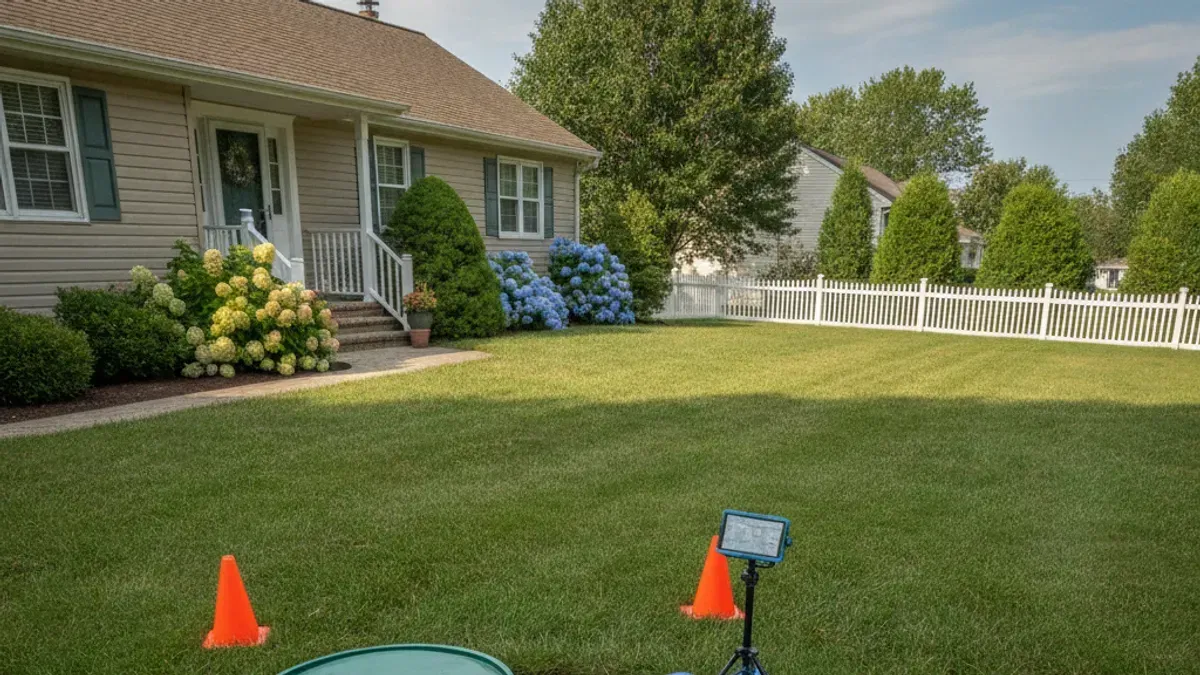
Because we work throughout Suffolk County every day, we recognize the local groundwater patterns that generic online advice cannot account for. We do not assume every storm backup requires a new cesspool. Instead, we inspect the system, evaluate the surrounding conditions, and explain whether maintenance, repair, or eventual replacement makes the most sense for your property.
Many homeowners become concerned after seeing water collect above the cesspool area during or immediately after a storm. While standing water can indicate that the surrounding soil is saturated, it should always be evaluated together with the home's plumbing performance. Slow drains, recurring backups, sewage odors, and repeated rain related failures often provide a clearer picture than one symptom alone.
Understanding the difference between a temporary weather event and a failing onsite wastewater system is the key to making the right repair decision without spending more than necessary.
Is it the storm or a failing system? How to tell
In brief: Heavy rain alone can temporarily overwhelm an otherwise healthy cesspool, but repeated backups, sewage odors, and problems that continue after the ground dries usually point to an underlying issue. The key is whether the system returns to normal once groundwater drops or continues showing symptoms in everyday weather.
One of the biggest misconceptions we hear is that every rain related backup means the cesspool has failed.
That simply is not true.
Likewise, assuming every backup is "just because of the rain" can delay needed repairs and allow a small problem to become much more expensive.
Our first goal is determining whether the weather simply pushed a healthy system beyond its temporary capacity or whether the storm revealed an existing weakness.
Storm related backup vs. system failure
| Symptom | More likely heavy rain only | More likely system problem |
|---|---|---|
| Backup happens only during or immediately after major storms | ✔ | |
| Plumbing returns to normal within 24 to 48 hours after the ground dries | ✔ | |
| No sewage odor during dry weather | ✔ | |
| Yard remains dry most of the year | ✔ | |
| Backups occur even without rain | ✔ | |
| Drains stay slow for days after the storm | ✔ | |
| Sewage odors occur regularly inside or outside | ✔ | |
| Wet spots remain in the yard during dry weather | ✔ | |
| Multiple backups every year | ✔ | |
| Older cesspool with increasing problems | ✔ |
No single symptom tells the entire story.
For example, a severe coastal storm can temporarily overwhelm even a properly functioning onsite wastewater system. However, if the same property experiences backups after every moderate rainfall, that usually indicates reduced leaching capacity or another underlying issue that deserves inspection.
We also look at factors such as:
- Age of the cesspool
- Household size and water usage
- Previous pumping history
- Seasonal groundwater conditions
- Soil drainage around the property
- Any recent landscaping or grading changes
Those details help us determine whether you're dealing with a temporary weather event or a long term performance problem.
If replacement becomes necessary, we explain why. If maintenance or repair is enough, we'll tell you that too. We do not recommend replacing a cesspool simply because one storm caused a backup.
Emergency pumping may restore usable capacity in some situations, but pumping alone cannot permanently solve a failing leaching area. Likewise, replacing an otherwise healthy cesspool because of one unusually wet week often wastes money.
That is why every service call begins with an inspection instead of a sales pitch.
What to do right now if your cesspool backs up in the rain
In brief: If your cesspool backs up during heavy rain, immediately reduce water use, keep people away from the affected area, avoid attempting home remedies, and arrange a professional inspection. Continuing to use plumbing fixtures can force more wastewater into an already saturated system and make the backup significantly worse.
When homeowners first notice a backup, the natural instinct is often to flush toilets or run sinks to "see if it's getting better."
That usually makes the situation worse.
Every gallon of water entering the plumbing system has to go somewhere. If the cesspool cannot discharge wastewater into saturated soil, additional water simply increases pressure inside the system.
Instead, we recommend these immediate steps:
1. Stop using as much water as possible
Avoid:
- Running washing machines
- Taking showers
- Starting dishwashers
- Running long faucets
- Flushing toilets unless absolutely necessary
Reducing water use gives the cesspool the best chance of stabilizing while groundwater levels begin to fall.
2. Stay away from standing wastewater
If sewage has surfaced in the yard or entered the home, avoid direct contact whenever possible.
The CDC notes that sewage can contain bacteria, viruses, and other microorganisms capable of causing illness.
Children and pets should be kept away until the affected area has been properly cleaned and disinfected (CDC).
3. Do not drive over the cesspool area
Heavy vehicles can compact saturated soil or damage underground components.
Even riding lawn equipment should be kept away until conditions improve.
4. Skip chemical drain cleaners
Chemical products cannot lower groundwater or repair a saturated leaching field.
In some cases they may damage plumbing components while doing nothing to solve the actual cause of the backup.
5. Call an experienced Suffolk County cesspool company
The sooner the system is evaluated, the easier it is to determine whether you're dealing with:
- Temporary groundwater saturation
- A maintenance issue
- A blocked line
- A damaged component
- A leaching area that has reached the end of its useful life
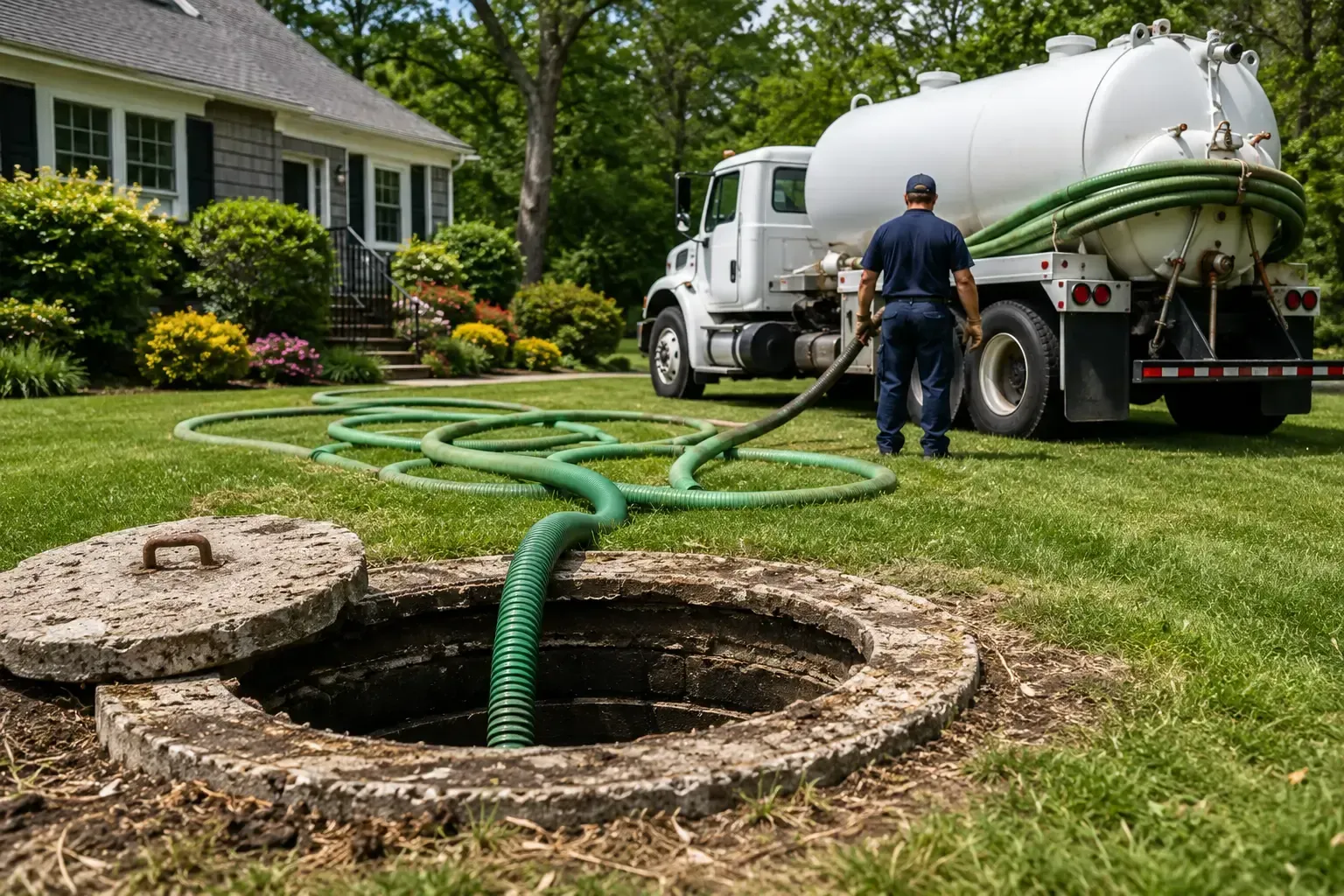
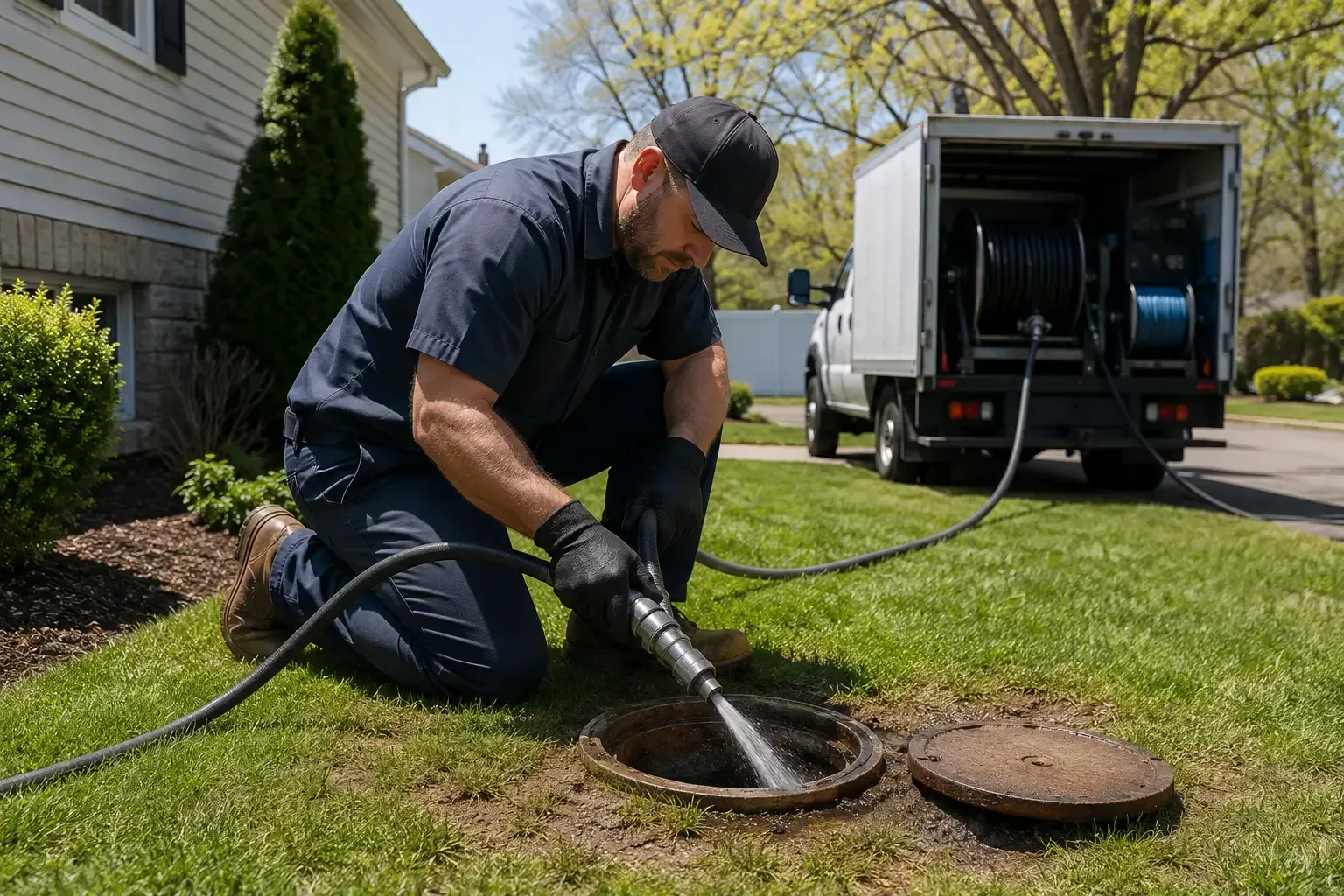
At Colletti Sewer & Drain, we provide emergency response throughout Suffolk County. Before recommending major work, we inspect the system and explain exactly what we're seeing.
If your situation requires immediate assistance, our 24/7 emergency cesspool service page explains what happens during an emergency visit and what homeowners should expect before a technician arrives.
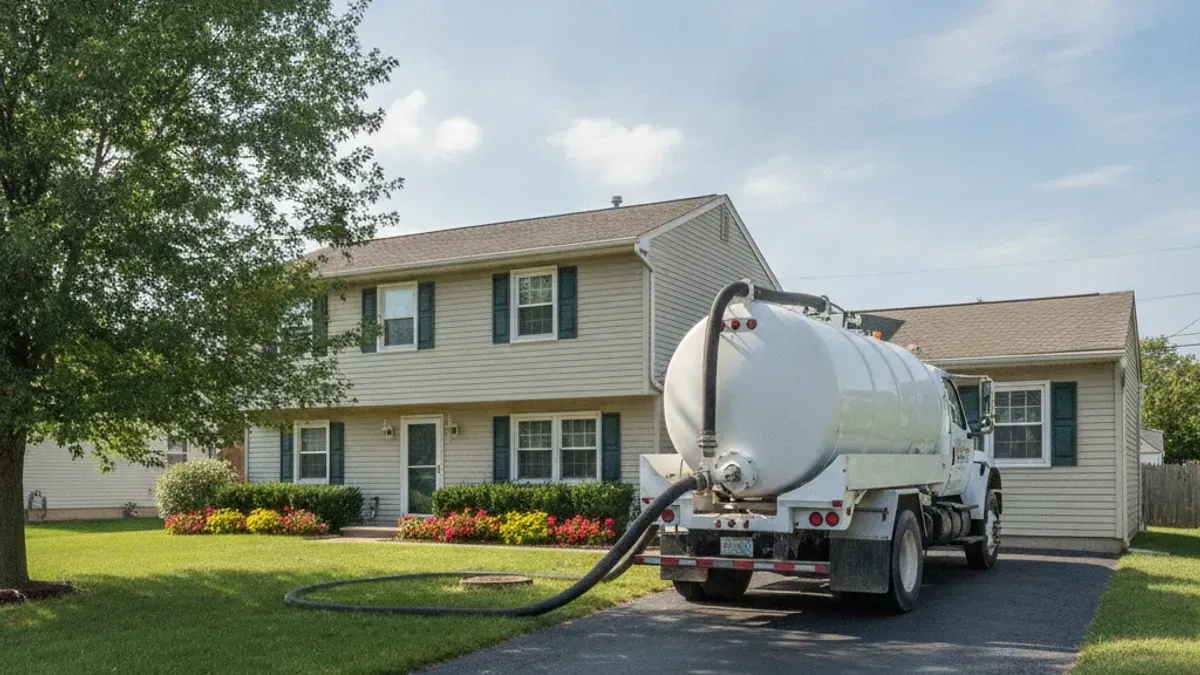
One important point to remember is that emergency pumping is sometimes part of the solution, but it is not always the complete solution.
If groundwater remains above the leaching area, the cesspool may temporarily refill even after pumping because the surrounding soil still cannot absorb wastewater efficiently.
That is why we focus on identifying the underlying cause rather than simply treating the symptom.
How to prevent rain related cesspool backups
In brief: You cannot control Suffolk County's groundwater, but you can reduce the likelihood of rain related backups by keeping your cesspool maintained, directing stormwater away from the system, limiting water use during major storms, and having recurring problems inspected before they become emergencies. Preventive maintenance almost always costs less than dealing with a major backup.
Heavy rain may be unavoidable, but many of the factors that make a backup worse can be addressed before the next storm arrives.
At Colletti Sewer & Drain, we encourage homeowners to think about prevention instead of waiting until wastewater is backing up into the house. Many of the emergency calls we receive could have been reduced or avoided with routine maintenance and a few property improvements.
Schedule routine cesspool pumping
Regular pumping removes accumulated solids before they reduce the available storage capacity inside the cesspool.
A system that already has limited capacity is much more likely to overflow during periods of heavy rainfall because there is less room to temporarily hold wastewater while groundwater levels remain elevated.
If you're unsure when your cesspool was last pumped, it's worth scheduling an inspection before hurricane season or periods of frequent summer storms.
For pricing and factors that influence maintenance costs, see our guide to cesspool pumping cost.
Keep roof runoff away from the cesspool
One of the most common issues we find has nothing to do with the cesspool itself.
Downspouts that discharge next to the cesspool area add hundreds or even thousands of gallons of unnecessary water into the surrounding soil during a storm.
Instead:
- Extend downspouts away from the system.
- Direct sump pump discharge away from the leaching area.
- Repair broken splash blocks.
- Prevent roof runoff from flowing toward the cesspool.
Every gallon of stormwater diverted away from the system helps preserve the soil's ability to absorb wastewater.
Improve grading around your property
If water naturally collects above the cesspool after every storm, the grading around the yard may need attention.
Low areas that trap standing water allow additional moisture to soak into already saturated soil.
Simple drainage improvements can often reduce the amount of water reaching the leaching area during prolonged rainfall.
Reduce household water use during storms
When weather forecasts predict several inches of rain, temporarily lowering indoor water usage can make a noticeable difference.
Try to postpone:
- Laundry
- Long showers
- Multiple dishwasher loads
- Filling bathtubs
- Large cleaning projects
Reducing water entering the system during peak groundwater conditions gives the cesspool more time to recover.
Watch for early warning signs
Most failing systems provide warning signs before complete failure.
Call for an inspection if you notice:
- Recurring slow drains
- Gurgling plumbing fixtures
- Sewage odors outdoors
- Wet patches that remain after dry weather
- Multiple rain related backups each year
Finding these issues early often provides more repair options than waiting until the system stops working entirely.
"A lot of homeowners think a backup comes out of nowhere. In reality, most systems give us warning signs long before they fail. Catching those signs early usually means simpler repairs and fewer surprises."
Bernie Colletti, Owner, Colletti Sewer & Drain
Consider upgrades for chronic flooding
If your property experiences repeated groundwater related problems despite regular maintenance, it may be time to discuss long term solutions.
Depending on the property, these could include:
- Additional leaching capacity
- System modifications
- An Innovative/Alternative onsite wastewater treatment system where appropriate
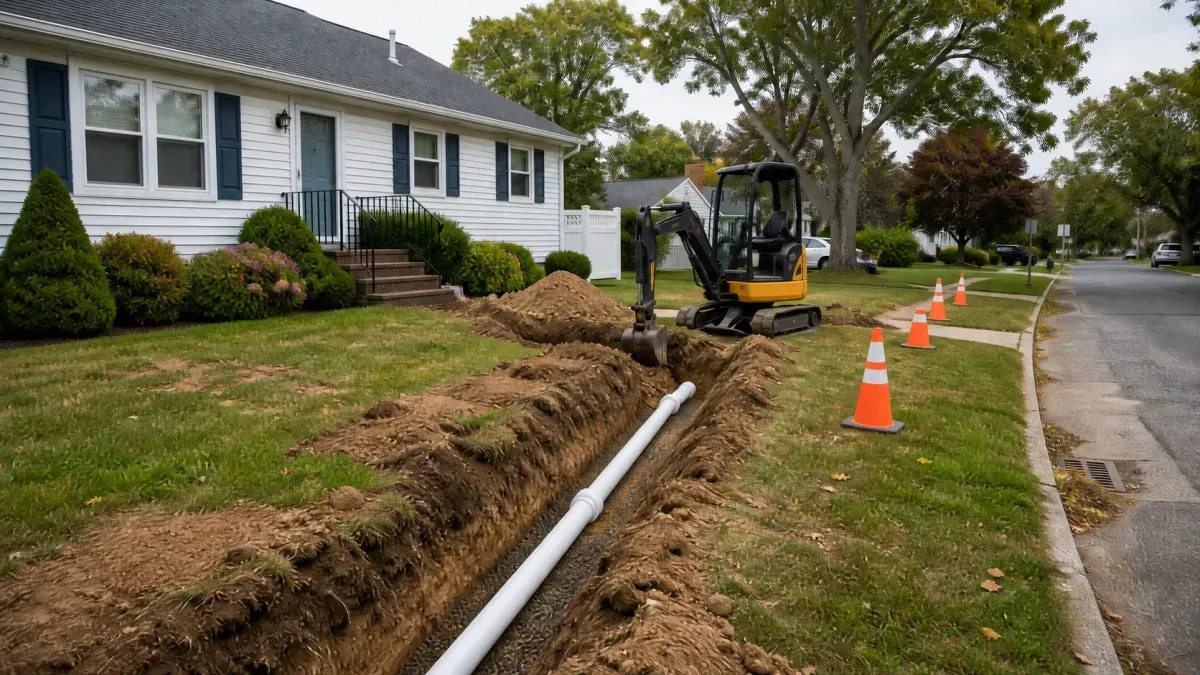
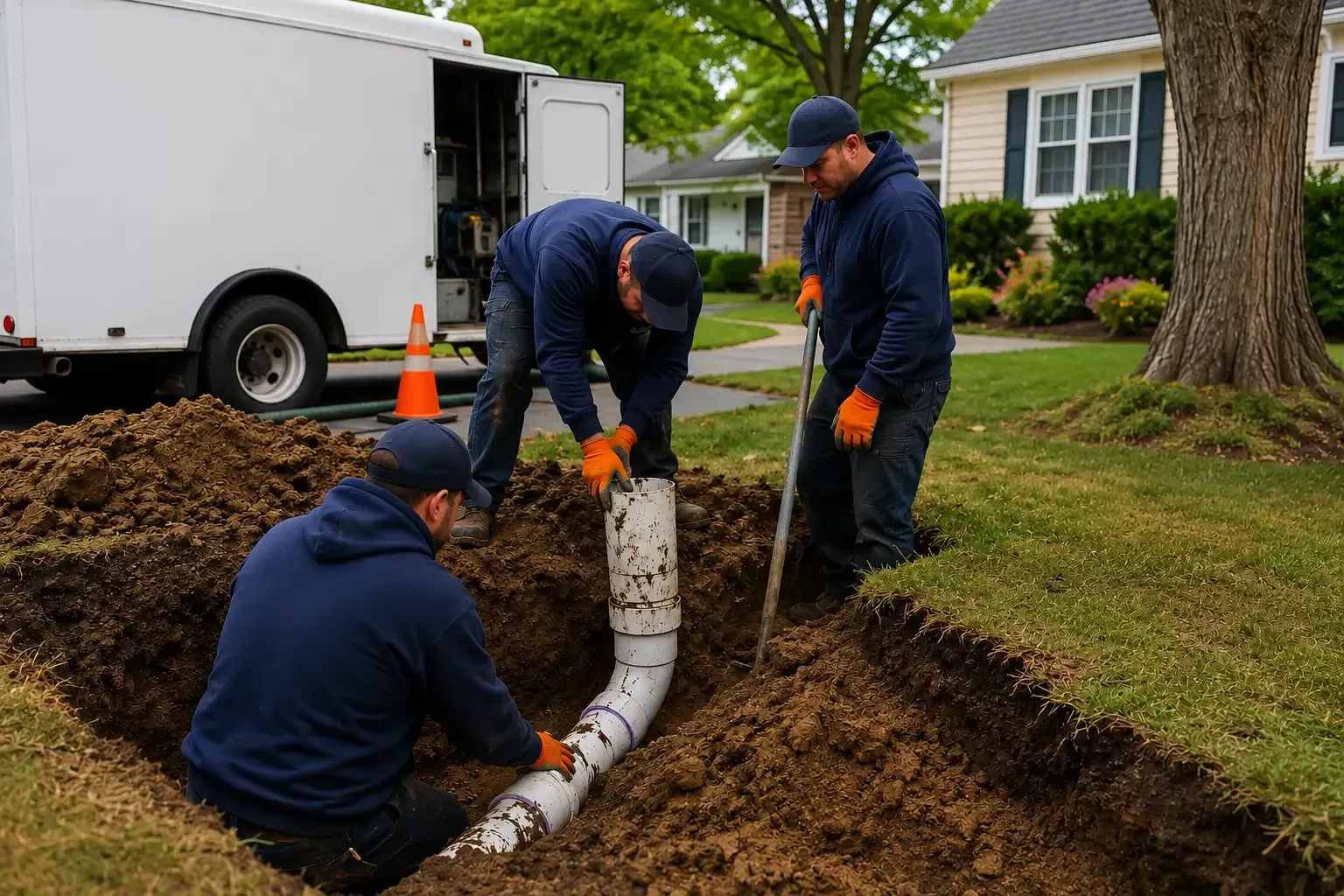
- Replacement of an aging cesspool that has reached the end of its useful life
We always inspect first and explain your options before recommending major work.
Suffolk County rules and permits homeowners should know
In brief: Routine cesspool pumping and emergency maintenance generally do not require Suffolk County permits, but installing, replacing, modifying, or significantly expanding an onsite wastewater system often requires review and approval by the Suffolk County Department of Health Services Office of Wastewater Management. Understanding the difference helps homeowners avoid unnecessary delays and costly mistakes.
Many homeowners assume every cesspool job requires a permit.
Others believe permits are never necessary.
Neither assumption is correct.
Routine maintenance, including emergency pumping and inspections, is generally considered maintenance work rather than construction.
However, larger projects are regulated because onsite wastewater systems directly affect Long Island's sole source aquifer and public health.
Projects that commonly require review or approval include:
- Installing a new cesspool
- Replacing an existing cesspool
- Expanding or modifying a leaching system
- Adding additional leaching structures
- Certain Innovative/Alternative wastewater treatment systems
- Other significant onsite wastewater modifications
The Suffolk County Department of Health Services Office of Wastewater Management oversees many of these requirements to help protect groundwater quality throughout the county (Suffolk County DHS Office of Wastewater Management).
Depending on the scope of work, New York State Department of Environmental Conservation regulations may also apply to onsite wastewater management and environmental protection (NYS DEC).
Ask questions before major work begins
If a contractor tells you:
- Permits are "never necessary."
- Every backup automatically means replacement.
- A complete replacement can begin immediately without evaluating the site.
Those statements should raise questions.
A reputable Suffolk County contractor explains:
- Whether permits apply.
- What inspections are needed.
- What work is maintenance versus replacement.
- Why a particular recommendation is being made.
At Colletti Sewer & Drain, we inspect the system first, explain the cause of the problem, and walk homeowners through any permit requirements before major work begins.
That straightforward approach helps homeowners understand exactly what they're paying for and avoids unnecessary surprises later.
How to choose an honest Suffolk County cesspool company
In brief: The right cesspool company explains the cause of the problem before recommending expensive work, provides transparent pricing, understands Suffolk County's unique groundwater conditions, and clearly distinguishes between maintenance, repair, and replacement. Local experience matters because Long Island's soil and groundwater behave differently from many other parts of the country.
Not every backup requires excavation.
Not every wet yard needs a brand new cesspool.
The companies worth calling are the ones that investigate first and recommend the least invasive solution that safely solves the problem.
Look for these qualities
✔ Local experience throughout Suffolk County
✔ Emergency availability when backups occur
✔ Clear pricing ranges before dispatch
✔ On site inspection before recommending replacement
✔ Honest explanations in plain language
✔ Experience with permits and local regulations
✔ Strong reputation from Suffolk County homeowners
Be cautious if you hear these claims
✖ "Every rain backup means you need a new cesspool."
✖ "We can give you an exact replacement price over the phone."
✖ "Permits are never required."
✖ "We'll replace the system before inspecting it."
✖ High pressure sales tactics during an emergency.
At Colletti Sewer & Drain, we take a different approach.
We inspect first.
We explain what caused the backup.
We separate temporary storm related issues from long term system failure.
Then we discuss the repair or replacement options that actually fit your property.
That approach has helped homeowners across Babylon, Brookhaven, Huntington, Islip, Smithtown, Riverhead, Southampton, Southold, East Hampton, and Shelter Island make informed decisions without unnecessary pressure.
If your cesspool repeatedly backs up after heavy rain, the goal is not simply restoring service for one storm. The goal is determining whether the system can continue serving your home reliably or whether planning for replacement now will save money and frustration later.
Frequently asked questions
Why does my cesspool back up after heavy rain?
In brief: A cesspool usually backs up after heavy rain because rising groundwater saturates the surrounding sandy soil, preventing wastewater from leaving the leaching area. Once the soil reaches capacity, wastewater remains inside the system until it backs up into plumbing fixtures or surfaces in the yard.
This is a common issue across Suffolk County because much of Long Island has a high water table and relies on onsite wastewater systems. We inspect the system to determine whether you're experiencing a temporary storm related event or an underlying problem that requires repair.
Will a cesspool that floods in the rain fix itself when it dries out?
In brief: Sometimes it will, but only if the backup was caused solely by temporary groundwater conditions. If the system returns completely to normal after the soil dries, replacement may not be necessary.
However, if backups continue during normal weather, drains remain slow, or wet areas persist in the yard, the storm may have exposed an existing problem. A professional inspection helps determine whether maintenance is sufficient or whether repairs should be planned.
Is a rain backup a sign my cesspool is failing?
In brief: Not always. Heavy rain can temporarily overwhelm even a properly functioning cesspool, but repeated backups after moderate rainfall often indicate that the leaching area or cesspool is no longer performing as intended.
Age, maintenance history, household water usage, and groundwater conditions all affect the diagnosis. We inspect before recommending replacement because many homeowners can avoid unnecessary expense with the right maintenance or repair.
What should I do the moment my cesspool backs up in a storm?
In brief: Immediately reduce water use, stay away from any wastewater, avoid using chemical drain cleaners, and arrange professional service as soon as possible. Continuing to use sinks, toilets, or washing machines can quickly make the backup worse.
Keep children and pets away from affected areas because sewage may contain harmful bacteria and viruses (CDC). If you're dealing with an active backup, our 24/7 emergency cesspool service guide explains what to expect before a technician arrives.
Can you pump a flooded cesspool during or right after heavy rain?
In brief: Yes. Emergency pumping can often restore temporary capacity, but it may not permanently solve the problem if surrounding groundwater is still above the leaching area.
After pumping, we inspect the system to determine whether the backup resulted from storm conditions alone or whether the cesspool has underlying issues that should be addressed before the next heavy rainfall.
How do I stop my cesspool from backing up every time it rains?
In brief: Regular maintenance, proper drainage around the property, and reducing household water use during major storms significantly reduce the risk of rain related backups. Chronic flooding should always be professionally evaluated.
Helpful preventive measures include:
Schedule routine pumping.
Extend downspouts away from the cesspool.
Improve grading where water pools.
Avoid excessive water use during storms.
Schedule inspections if backups become recurring.
Many recurring problems can be identified before they develop into emergency situations.
Does high groundwater on Long Island damage cesspools?
In brief: High groundwater does not automatically damage a cesspool, but it reduces the soil's ability to absorb wastewater during and after heavy rainfall. Over time, repeated saturation can expose weaknesses in aging systems.
Long Island's sandy soils and sensitive sole source aquifer make proper onsite wastewater management especially important (US EPA; Suffolk County Government). Systems that repeatedly struggle after storms should be professionally evaluated.
When should I replace a cesspool that keeps flooding?
In brief: Replacement becomes worth considering when backups occur repeatedly despite proper maintenance, inspections confirm the leaching area has failed, or the system can no longer meet the household's needs. One storm alone should not determine that decision.
We always inspect before recommending replacement. If the system can be maintained or repaired safely, we'll explain that option first. If replacement is the better long term investment, we'll explain why and discuss the applicable Suffolk County requirements. For more guidance, see our article about when to replace a cesspool versus keep pumping.
Cesspool backing up after a storm? Call Colletti 24/7
Heavy rain is part of life on Long Island, but repeated cesspool backups do not have to be.
At Colletti Sewer & Drain, we provide 24 hour emergency cesspool service throughout Suffolk County. Whether you're dealing with a one time storm backup or recurring flooding after every heavy rain, we'll inspect the system, explain the cause, and recommend the most practical solution without pushing unnecessary replacement.
When you call us, you can expect:
- Clear pricing guidance before dispatch.
- A thorough on site inspection.
- Honest repair versus replacement recommendations.
- Local technicians who understand Suffolk County groundwater conditions.
- Fast emergency response when you need it most.
If your cesspool has backed up after heavy rain, schedule Suffolk County service or request an appointment, or call 631-644-4939 for emergency assistance.