Replacing a Failed Cesspool in Suffolk County: What the County Rules Require
By TNTSEO United
Last updated: October 2026
Since July 1, 2019, Suffolk County has required Department of Health Services approval for cesspool replacements, subject to the proposed-sewer-district exception in Article 6. The county's overview of the 2017 change specifies a septic tank and leaching structure at a minimum and says that change does not require I/A systems. That historical statement does not establish what every property needs today: current standards and the county's determination matter. A replacement contractor must hold an active Liquid Waste License (Suffolk County Sanitary Code, Article 6). Start with those three questions: what approval applies, what system is required, and who is qualified to perform the work. Colletti Sewer & Drain lists Emergency Backup Service in Suffolk County; call 631-644-4939.
What Suffolk County counts as a failed cesspool
In brief: Article 6 defines a failed system by inadequate wastewater treatment or dispersal that creates a nuisance or threatens health or environmental quality, with listed evidence ranging from continued wastewater backup to groundwater intrusion and structural damage, rather than by the homeowner's description alone.
The code's Definition 17 lists these conditions (Suffolk County Sanitary Code, Article 6):
- Continued failure to accept wastewater into the building sewer.
- Continued wastewater discharge into a basement, subsurface drain, stormwater system or watercourse, unless expressly permitted by the Department.
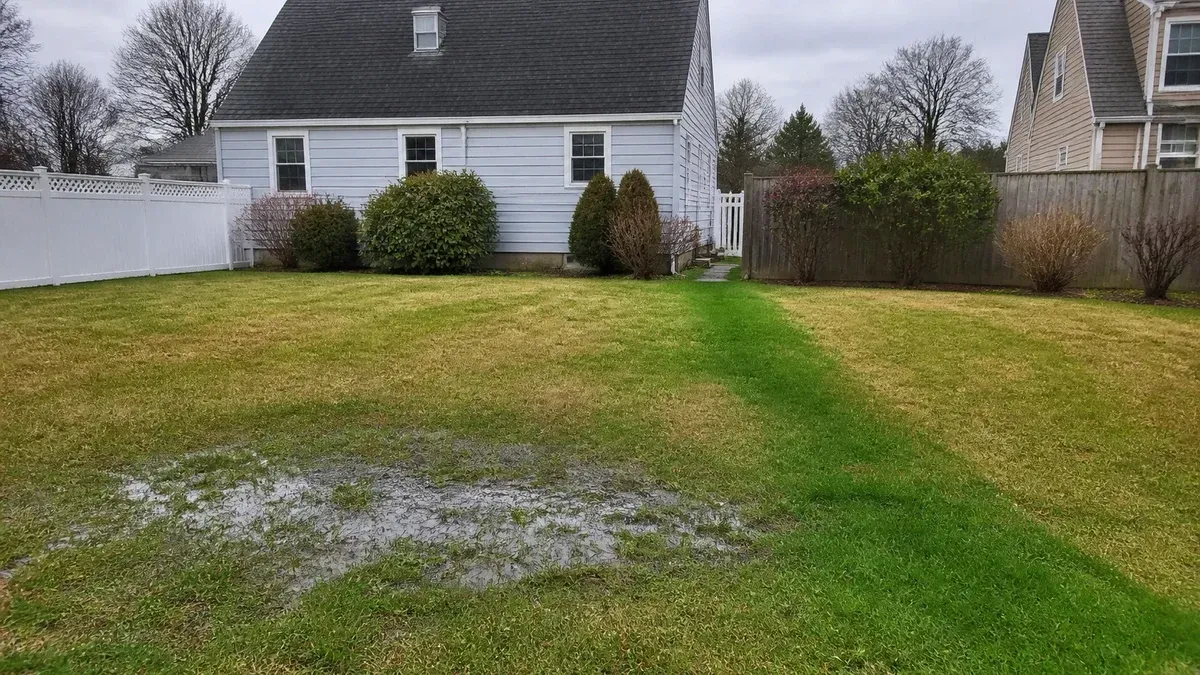
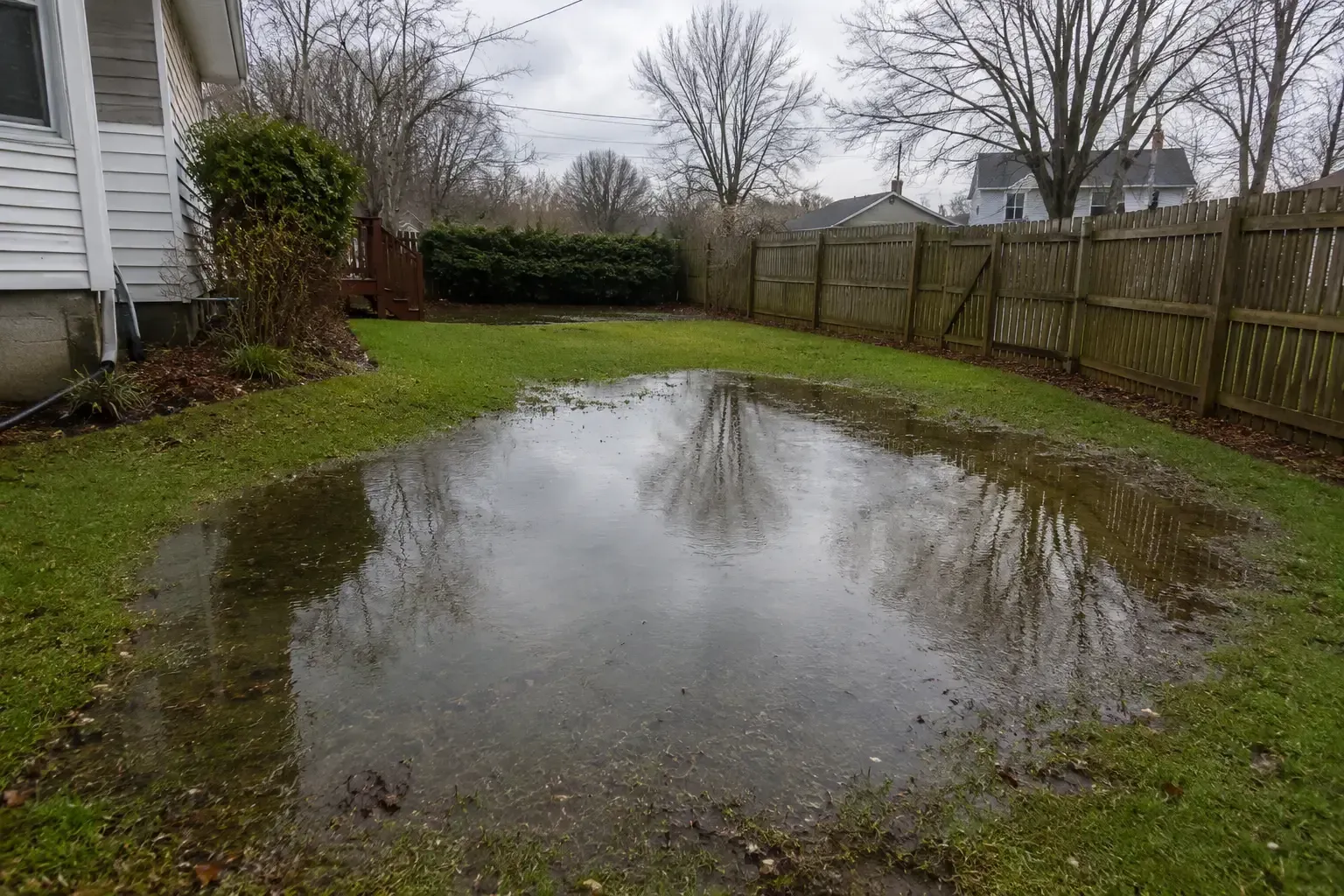
- Wastewater surfacing over or near the system, or seeping from its absorption area at a grade change, bank or road cut.
- Pumping needed four or more times yearly because of groundwater infiltration, a collapsed leaching structure or a clogged absorption area. The code excludes specified routine maintenance from this condition.
- Groundwater seeping into system components after pumping.
- Structural damage determined by a New York State licensed design professional or a contractor/developer holding an active Liquid Waste License. The design professional's determination takes precedence.
If replacement is still undecided, read when to replace a cesspool instead of pumping it. This guide starts after that decision.
Can you replace a cesspool with another cesspool?
In brief: Suffolk County's Office of Wastewater Management says in-kind cesspool replacements were eliminated by the 2017 amendment, and Article 6 requires Department approval for replacement after July 1, 2019, with a specific exception for parcels in a proposed sewer district approved by the Commissioner.
The approval clause says: "This requirement shall exclude parcels located within a proposed sewer district as approved by the Commissioner in accordance with Department standards" (Article 6, Section 760-605 B.1). Ask the county to confirm whether that exception applies; do not infer permission from a possible future sewer project.
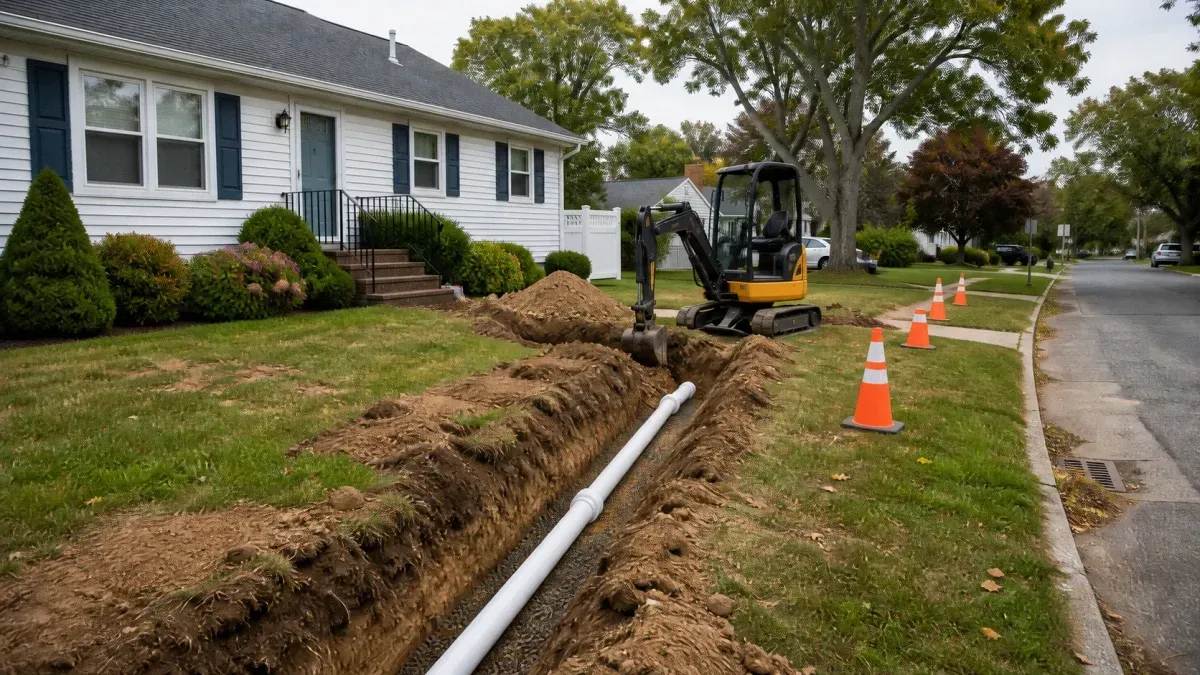
Definition 32 describes replacement as abandoning and/or removing the existing system and installing a new individual sewerage system. For sale-related questions, see cesspool inspections when you buy or sell a home.
What the replacement system has to include
In brief: The county's June 12, 2018 overview of the 2017 amendment identifies a septic tank plus a leaching structure as the minimum system, while Article 6 requires replacements to meet current Department standards and applicable State requirements, so confirm the proposed design for your property.
The overview says the 2017 changes do not require I/A OWTS. That is a statement about that change, not a blanket exemption from all current requirements. Have SCDHS and a licensed professional confirm what applies before choosing equipment.
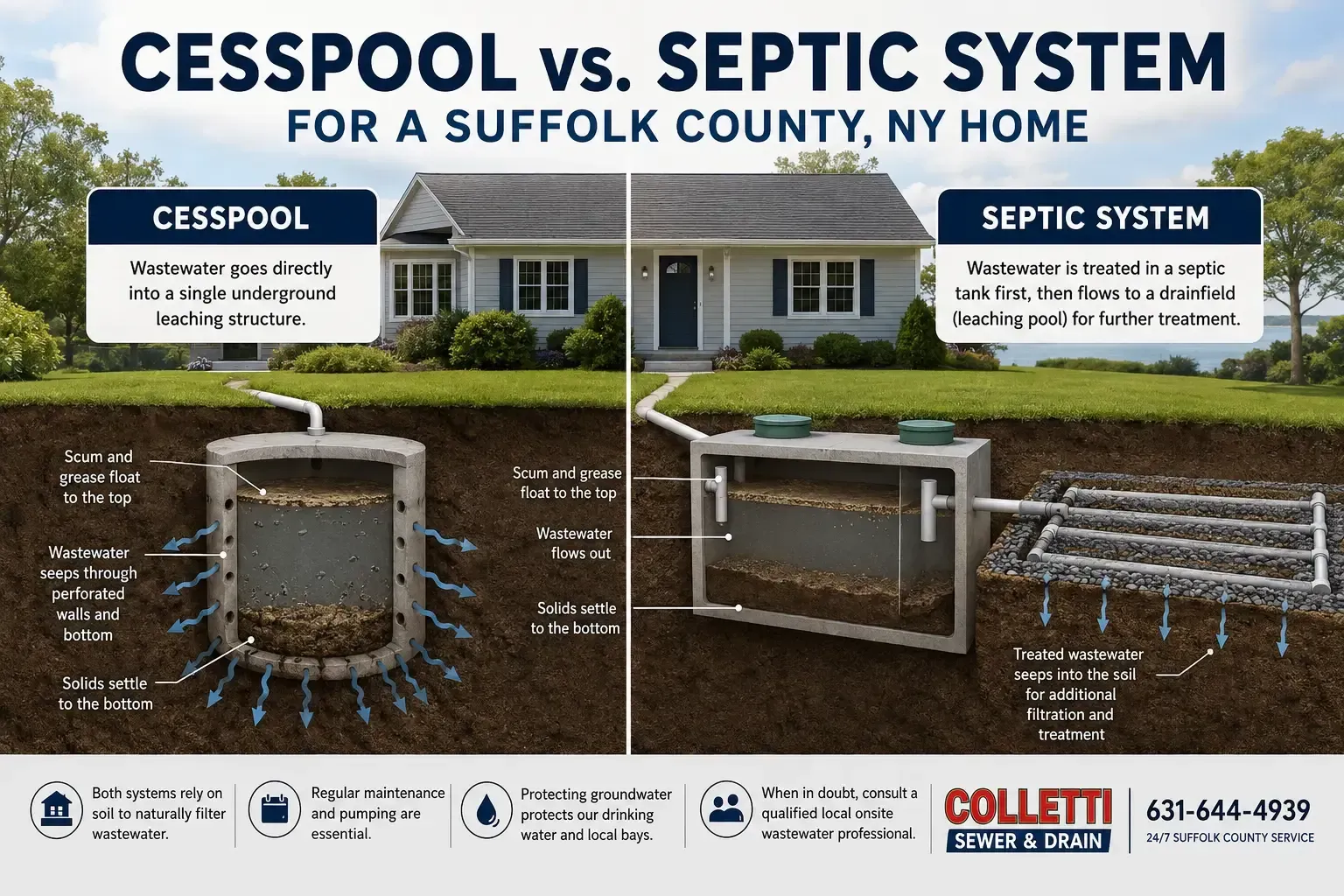
Section 760-605 B.2 names 10 NYCRR Part 75 "to the extent applicable to Suffolk County" and repeats the proposed-sewer-district exception quoted above. For background on the components, read the difference between a cesspool and a septic system.
From failure to approved replacement, step by step
In brief: The county sources support a sequence of identifying the failure, submitting a replacement application through a Liquid Waste License holder, obtaining Department review and approval where required, and installing a system that meets applicable standards, with review timing kept separate from the construction schedule.
| Step | What happens | Who does it | Source |
|---|---|---|---|
| 1. Identify failure | Assess the conditions in the code's failed-system definition. | For structural damage: a NYS licensed design professional or active Liquid Waste License holder. | Article 6, Definition 17 |
| 2. File | Submit the SHIP replacement application through the county portal. | A valid Liquid Waste License holder. | SCDHS SHIP guide |
| 3. Review and approval | Submissions take 2 to 4 weeks for review; emergency SHIP applications are typically reviewed same-day. Obtain required approval before replacement. | SCDHS reviews; the applicant obtains approval. | WWM page; Article 6, Section 760-605 B.1 |
| 4. Install | Install to current Department standards and applicable State requirements, subject to the code's stated exception. | A contractor/developer with an active Liquid Waste License. | Article 6, Sections 760-605 B.2 and C.1 |
Sources: SCDHS Office of Wastewater Management and its SHIP guide; Suffolk County Sanitary Code, Article 6. This table summarizes the sourced stages, not a complete property-specific permit checklist.
If the cesspool fails in an emergency
In brief: SCDHS says emergency replacement applications through SHIP are typically reviewed same-day, which describes the county's application review rather than a guaranteed approval or installation date, while Colletti Sewer & Drain lists Emergency Backup Service and 24/7 emergency service availability for Suffolk County homeowners.
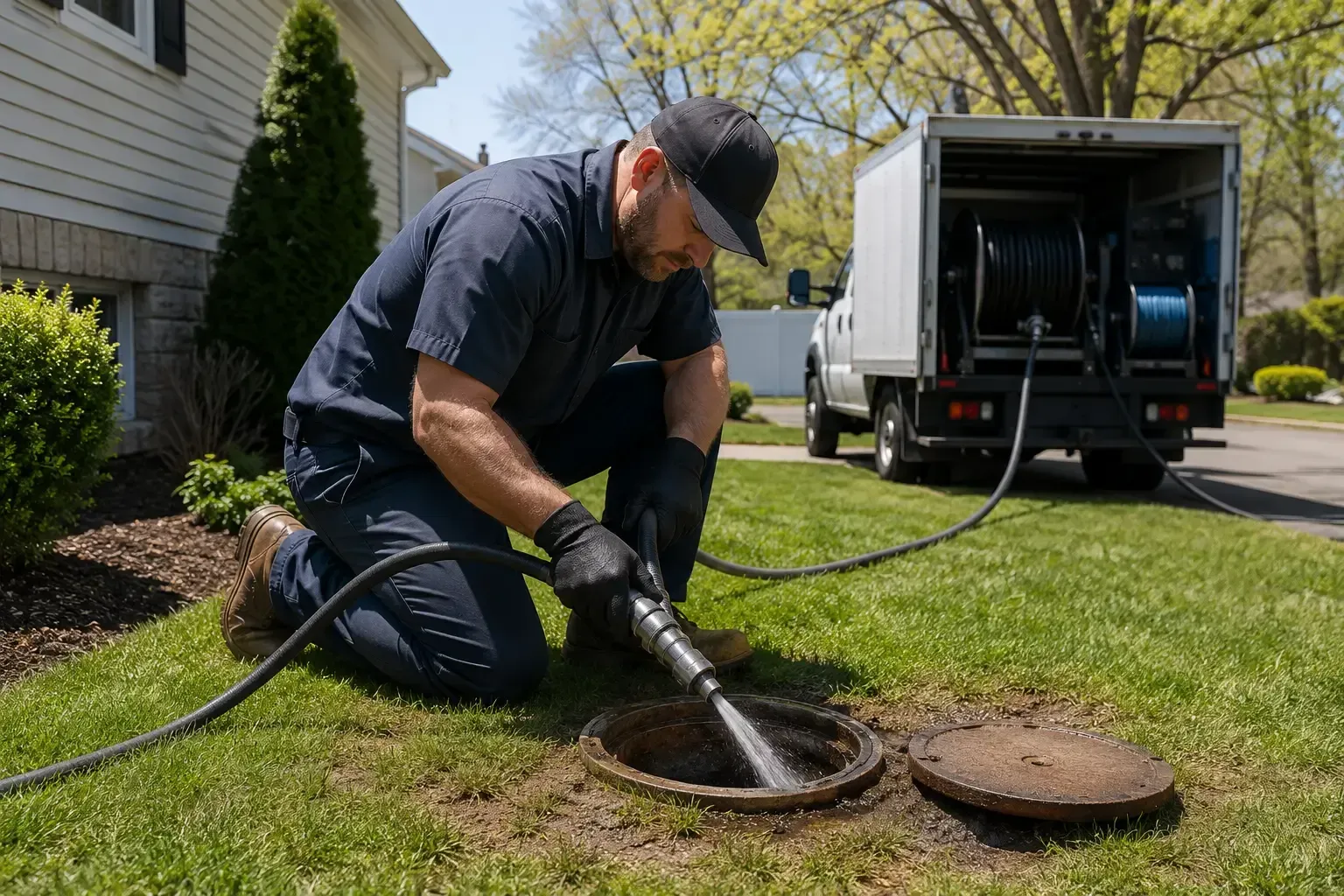
When calling, explain what is happening and ask what immediate service is appropriate. Keep the service conversation separate from confirmation of the replacement design and county approval. Our guide to what to do in a cesspool emergency covers that immediate situation.
Costs, grants and insurance
In brief: Use the cost guide to prepare questions about the proposed work and the county's Septic Improvement Program page to check current grant eligibility, while keeping those funding questions separate from confirmation of the system design and approval required for your particular property.
Read what affects the cost of a new system and check the official Suffolk County Septic Improvement Program. Whether a homeowners policy covers any part of a cesspool failure depends on the policy, so check your own policy and ask your insurer.
How we approach a cesspool replacement
In brief: Colletti Sewer & Drain's homepage lists Drain & Line Inspections, New Cesspool Installation and Emergency Backup Service, so start the conversation by describing the failure and asking for an inspection and explanation before work, then confirm who will perform each part of the proposed job.
Frequently asked questions
In brief: These answers separate the county's replacement rules from promises about a particular job, using Article 6 and SCDHS guidance for approval, licensing, system requirements and review timing, with the county and a licensed professional confirming how those requirements apply to your property.
Can I replace a failed cesspool with a new cesspool in Suffolk County?
SCDHS says the 2017 amendment eliminated in-kind cesspool replacements. Its overview describes a septic tank and leaching structure as the minimum replacement system under that change. Article 6 also requires current standards to be met, subject to its stated exception. Ask the county and a licensed professional to confirm the proposed system for your property rather than assuming another cesspool is acceptable.
Do I need county approval to replace a cesspool in Suffolk County?
Article 6 requires Department approval for replacements after July 1, 2019, subject to a specified exception. Section 760-605 B.1 excludes parcels within a proposed sewer district approved by the Commissioner in accordance with Department standards. Have SCDHS confirm whether your parcel qualifies for that exception. A possible future sewer connection alone does not establish that the code's approval exception applies to your property.
Does Suffolk County require an I/A system when a cesspool fails?
The county's overview says the 2017 changes do not require I/A OWTS. That statement concerns those changes and does not settle every property's current requirements. Article 6, Section 760-605 B.2, requires compliance with current Department standards and applicable State requirements, subject to its stated exception. Current standards, SCDHS and a licensed professional must confirm what a specific property needs before a replacement system is selected.
What does Suffolk County consider a failed cesspool?
Article 6 defines failure through inadequate wastewater treatment or dispersal that creates a nuisance or threatens health or environmental quality. Its listed evidence includes continued failure to accept wastewater, specified discharges, surfacing wastewater, groundwater intrusion and structural damage. The four-or-more-pumpings condition has specified causes and excludes certain routine maintenance. Structural damage counts when it is determined by a NYS licensed design professional or an active Liquid Waste License holder.
Who is allowed to replace a cesspool in Suffolk County?
Article 6 requires the replacement contractor or developer to hold an active Liquid Waste License. Section 760-605 C.1 establishes that requirement for replacing a cesspool or individual sewerage system serving a permanent structure. The SCDHS SHIP guide separately says applications cannot be submitted without a valid Liquid Waste License. Confirm the credentials of the person performing and filing your work before proceeding with the replacement.
How long does county review of a cesspool replacement take?
SCDHS says submissions take 2 to 4 weeks for review, with emergency SHIP replacement applications typically reviewed same-day. These are review estimates from the Office of Wastewater Management page, not guaranteed approval dates or installation schedules. Ask the applicant handling your replacement to confirm its current status with the county. Keep any proposed construction date separate from the county's stated application review timing.
Talk to someone before you dig
In brief: Call Colletti Sewer & Drain at 631-644-4939 to discuss the problem and available services, and have the county and a licensed professional confirm the replacement requirements before work begins, including the proposed system, applicable approval and the credentials of whoever will do the replacement.
Only a licensed professional should open the structure. Call 631-644-4939 or contact Colletti Sewer & Drain.