How to Winterize a Septic System or Cesspool in Suffolk County
By TNTSEO United
Last updated: October 2026
To winterize a septic system, start with maintenance records, leak repairs, and a plan for snow and service access. Cold-weather guidance identifies low use, compacted snow, and dripping fixtures as potential freezing factors. Keep vehicles off the system, spread laundry through the week, and ask a professional whether maintenance is due. For a cesspool, have the professional confirm which precautions fit your setup. If you plan to leave the home unused, discuss that separately before leaving. Do not add antifreeze to treat freezing or open a tank or cesspool yourself. Colletti Sewer & Drain serves Suffolk County; call 631-644-4939 to discuss service.
Can a septic system or cesspool freeze?
In brief: A septic system can freeze under certain cold-weather conditions, and the useful starting point for a Suffolk County homeowner is to review the property's actual system, occupancy, and maintenance history with a qualified professional before choosing precautions for the season.
The University of Minnesota's freezing guidance identifies low use, leaking fixtures, and compacted snow or soil as possible contributors. Snow provides insulation; packing it down reduces that protection. A small, steady plumbing leak can freeze in a pipe.
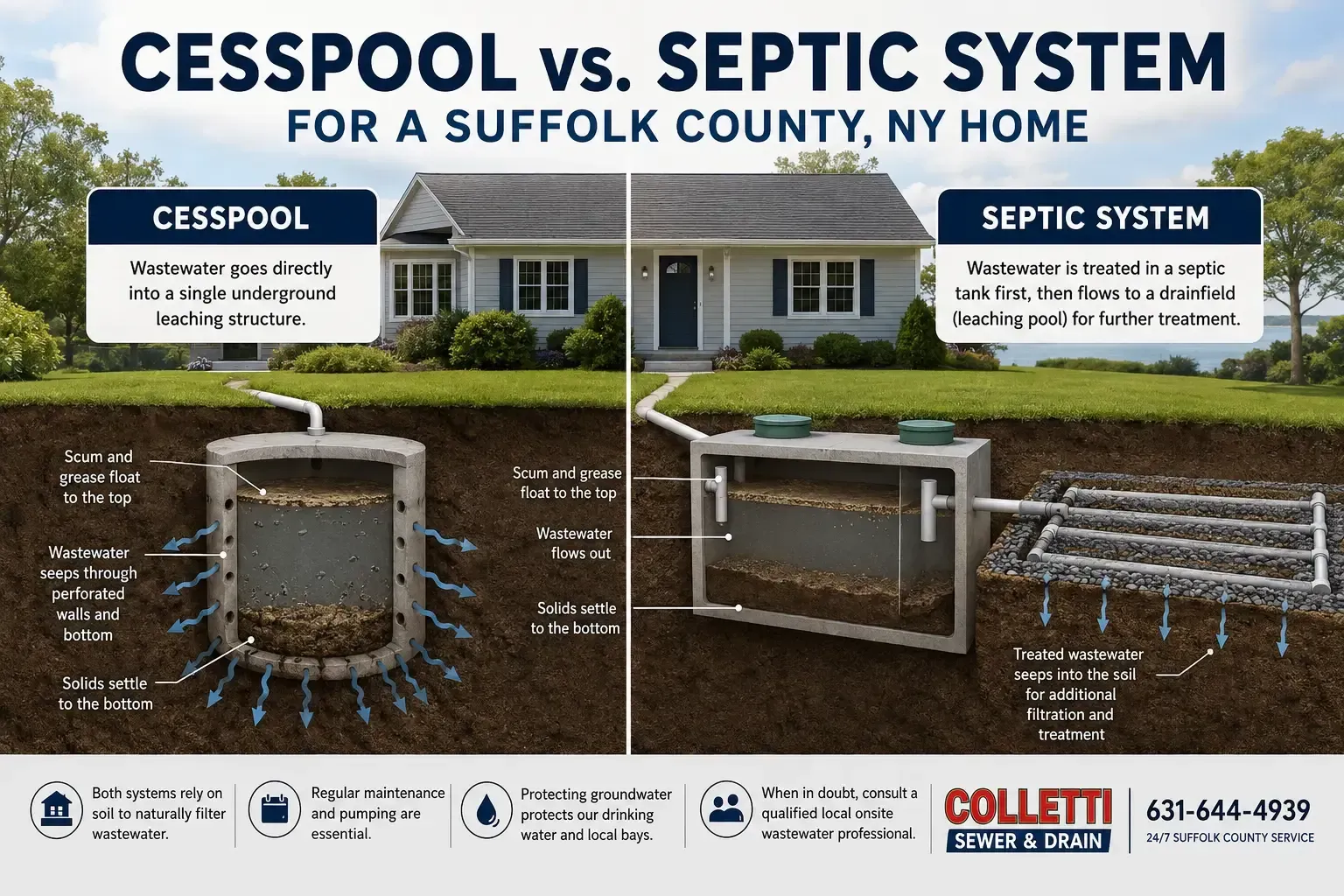
This is general cold-climate guidance, not a forecast of freezing in Suffolk County. The sources do not establish a local freeze rate or a single winter routine for every cesspool. Ask the professional to identify your setup before applying advice about septic tanks and drainfields.
Pre-winter checklist for Suffolk County homeowners
In brief: Start your winter checklist by locating the system, checking your service records, and assigning the outdoor and plumbing questions to the right person, so you can discuss what is actually due before arranging work or changing how you use the property.
| Task | Why it matters | Who does it |
|---|---|---|
| Record and mark the known tank location before snow. | A marked location helps with future service. | Homeowner; a professional locates unknown components. |
| Plan parking away from the system. | Vehicle weight can compact soil and damage pipes. | Homeowner. |
| Arrange repairs for leaking fixtures. | Leaks waste water and can contribute to pipe freezing. | A professional makes repairs. |
| Spread laundry through the week. | Concentrated water loads can overload a septic system. | Homeowner. |
| Skip antifreeze and septic additives. | They are not a recommended treatment for a frozen system. | Homeowner. |
| Review pumping and inspection records. | Maintenance needs depend on system use and condition. | Homeowner gathers records; a professional assesses need. |
| Discuss access and any damaged lid. | Service requires access, and lids must remain secure. | Homeowner reports concerns; a professional handles the structure. |
Sources: US EPA septic guidance, Penn State Extension, University of Minnesota, and Washington State Department of Health.
Use the list as a conversation starter. Ask whether pumping is due, what access the crew needs, and whether an extended winter absence changes the plan. Only a licensed professional should open the tank or cesspool. Never enter it; state safety guidance leaves tank cleaning and repairs to trained professionals.
Snow, plowing and parking over the system
In brief: Plan snow removal around the system rather than treating the yard as extra parking, and agree on a service approach with the contractor so access can be arranged without sending plows, vehicles, or heavy equipment across the tank, pipes, or drainfield.
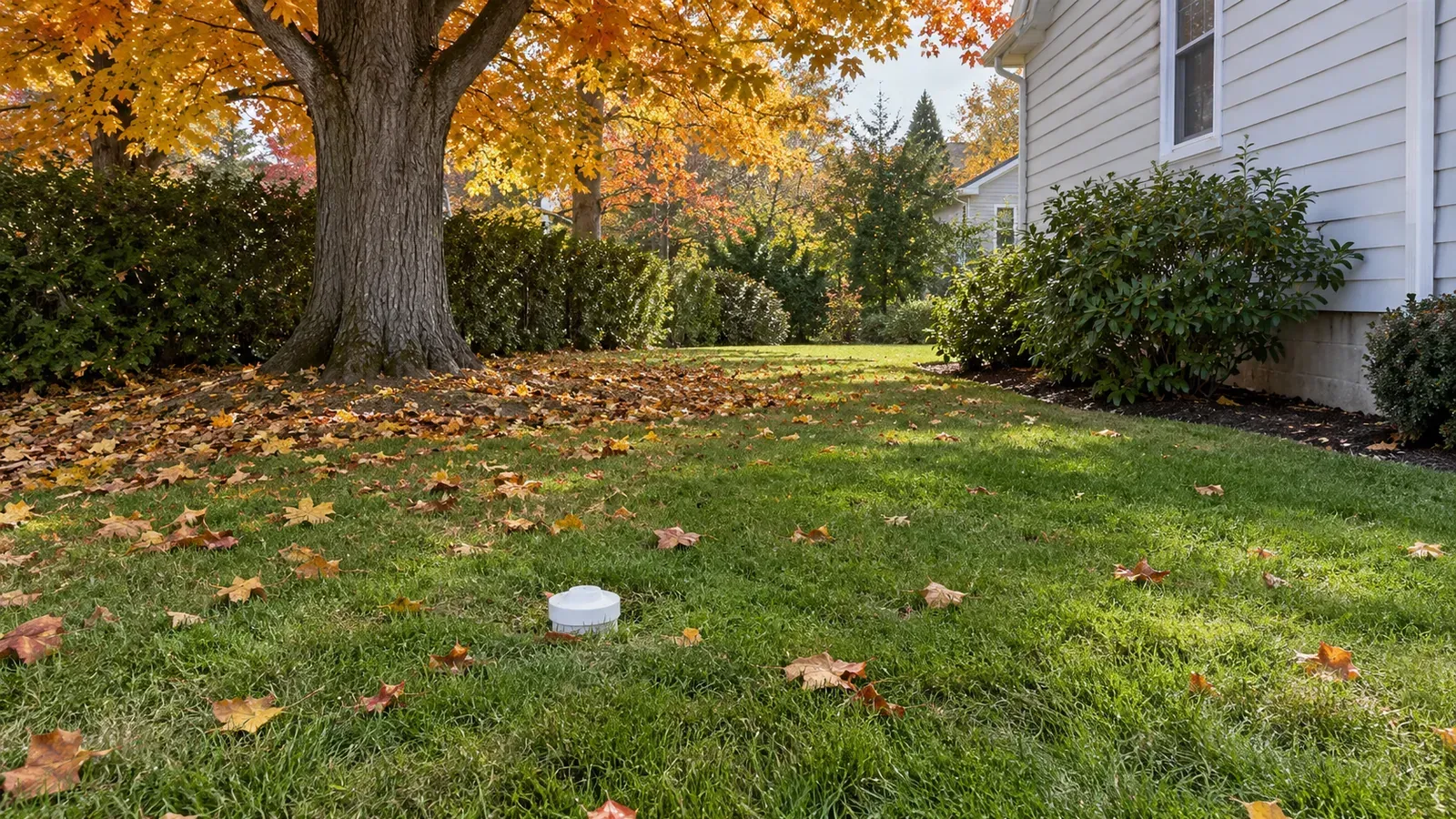
University of Minnesota seasonal guidance advises leaving snow over the treatment area and keeping plowed piles off the drainfield. EPA guidance adds that the weight of vehicles and heavy equipment compacts the soil and can damage pipes.
Show anyone handling snow removal the known system location. Before a scheduled visit, ask the service provider where a path is needed and who will prepare access. Keep lids secured; do not lift a cover to check beneath it.
Holiday guests and heavy winter water use
In brief: When planning for holiday guests, spread laundry through the week and explain what belongs in the toilet, because managing household water and waste is part of routine septic care whether you are preparing for a gathering or returning to your usual schedule.
The EPA explains that large water inputs can push solids toward the drainfield. Avoid saving all guest bedding and towels for one laundry day. Flush only human waste and toilet paper, and keep wipes and paper towels in the trash. Keep cooking grease and coffee grounds out of the sink.
Before hosting, find your last service record. For maintenance planning, read how often to pump a septic tank or cesspool. Share changes in occupancy and water use when discussing whether service is due.
Signs of a winter problem and when to call
In brief: Slow drains, sewage odors, or wastewater backing into the home deserve professional attention in winter, and the most useful first step is to describe what changed and when it started so the cause can be assessed before any work is selected.
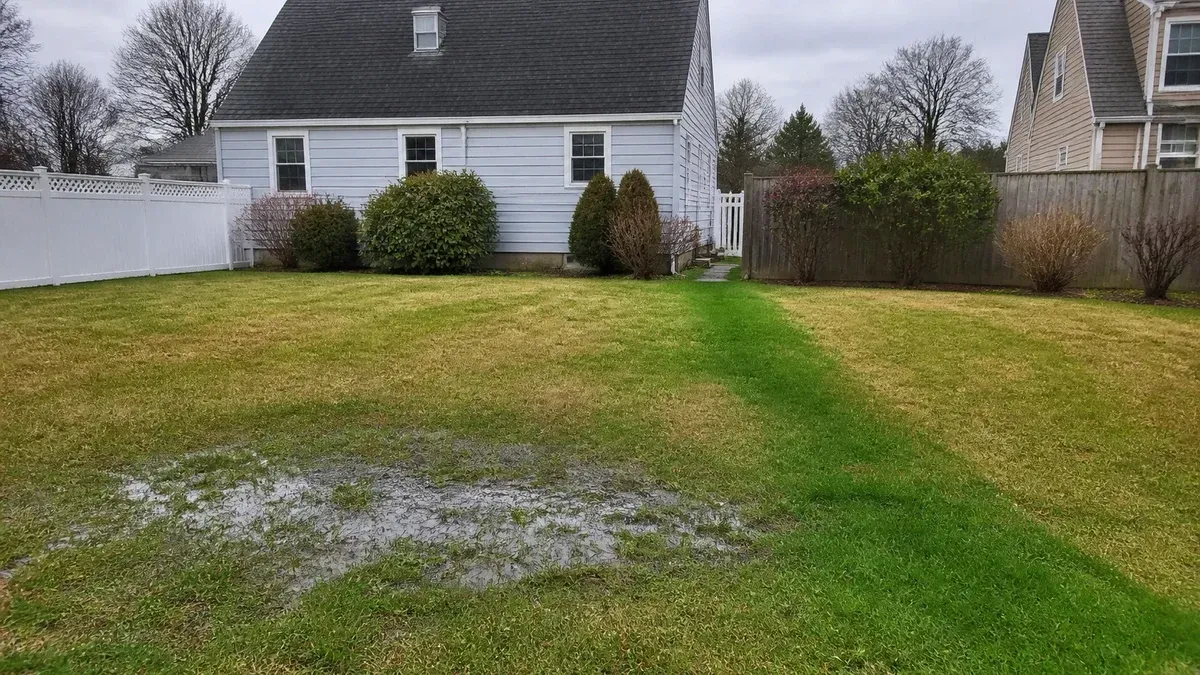
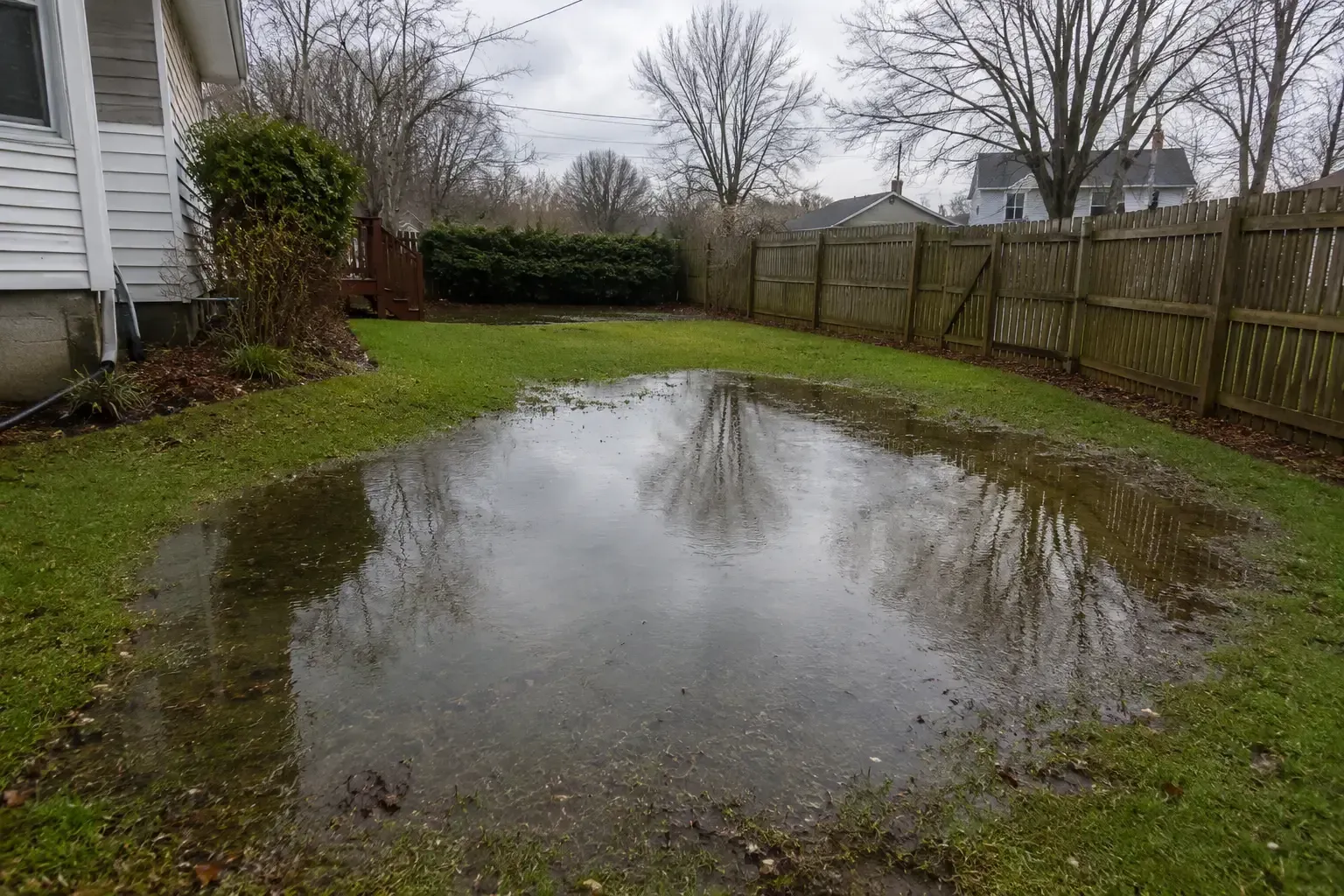
The EPA lists these symptoms, along with standing water near the tank or drainfield, as warning signs. They do not by themselves prove freezing. Tell the professional which fixtures are affected, whether the home has been vacant, and when the system was last serviced.
Keep people away from backed-up sewage. Do not run water continuously to try to thaw the system. Colletti Sewer & Drain offers 24/7 emergency service; a professional should diagnose the problem before work begins.
For the separate wet-weather topic, see cesspool backups after heavy rain.
How we approach winter service
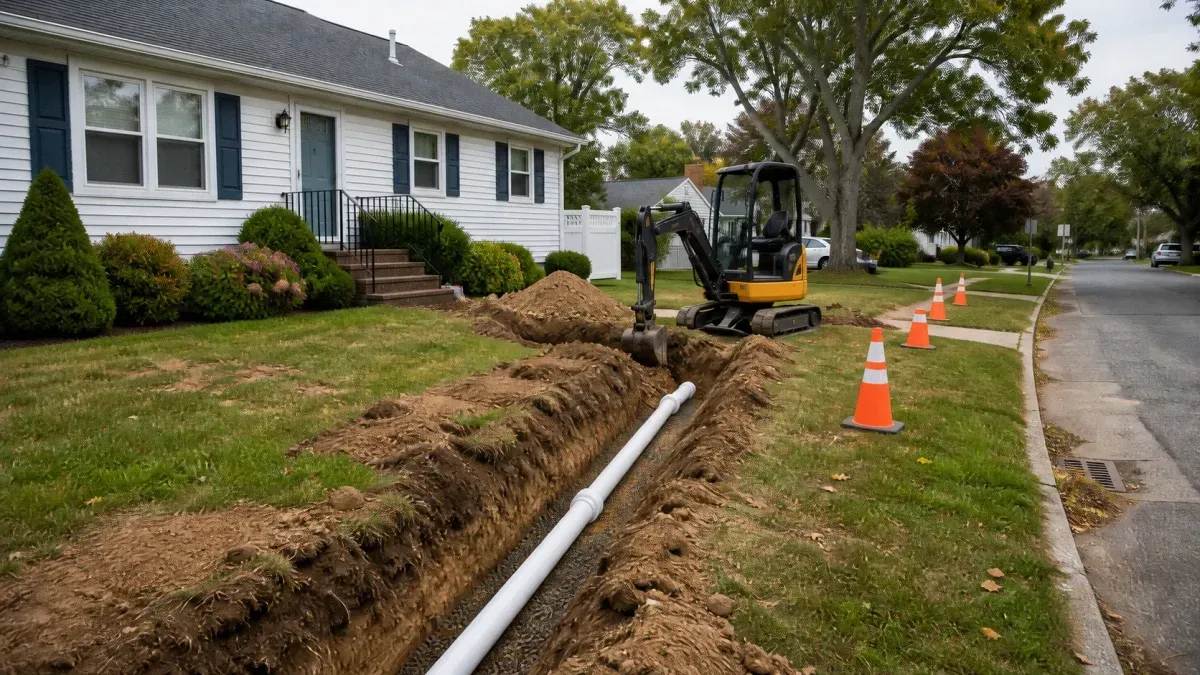
In brief: At Colletti Sewer & Drain, our listed services include Preventative Maintenance, Cesspool Pumping & Cleaning, Drain & Line Inspections, and Emergency Backup Service, giving Suffolk County homeowners a starting point for discussing routine needs or a current problem when contacting us about winter service. Bring your service history and describe any symptoms when you call. For related reading before requesting a quote, see what cesspool pumping costs in Suffolk County.
Frequently asked questions
In brief: Winter care starts with the system you have and the way your household uses it, so use these answers to prepare questions about maintenance, access, and symptoms rather than assuming the season alone tells you which service to book for your property.
Can a septic system freeze in winter?
Yes, a septic system can freeze in cold weather. University of Minnesota guidance identifies several possible locations, including piping, tanks, and the soil treatment area. Its guidance comes from a cold-climate setting and does not predict how often Suffolk County systems freeze. If you suspect freezing, describe the symptoms to a professional and have the cause assessed before choosing a repair.
Should I pump my septic tank or cesspool before winter?
Pump when maintenance is due, based on professional assessment of your system. EPA guidance ties septic pumping needs to tank size, household use, and accumulated solids. A seasonal home needs a separate discussion: Minnesota guidance suggests considering pumping before winter closure, with precautions where groundwater is high. For a cesspool, ask for a recommendation specific to the structure and its service history.
Is it safe to plow or park over a septic system?
Keep vehicles and plowing equipment off the septic system. EPA guidance warns that heavy equipment and vehicles can compact soil and damage pipes. Minnesota's seasonal guidance also advises against removing snow from the treatment area or storing plowed snow over the drainfield. Identify the system before arranging snow removal, and ask your service provider how to prepare access for an appointment without driving over it.
Should I add antifreeze or additives to a septic system in winter?
Do not add antifreeze or septic additives to treat a winter system problem. EPA advises against septic additives and lists antifreeze among chemicals that should not be flushed. If you are closing a home for the season, ask a professional about the plumbing and wastewater system separately. Do not assume a product sold for winterizing other equipment is appropriate to pour into your septic system.
What should I do if my drains back up in winter?
Call a professional promptly and keep people away from backed-up sewage. Describe the affected fixtures and when the backup began, including any recent period when the home was unused. A backup alone does not establish that the system is frozen. Do not open or enter the tank or cesspool. Colletti Sewer & Drain offers 24/7 emergency service at 631-644-4939 for homeowners in Suffolk County.
How do I find my septic or cesspool lid under snow?
Start with existing system records and ask a professional if the location is uncertain. Health-department guidance suggests contacting your local health department or a professional septic system company if you cannot find the lid. Some systems are completely buried, so a visible lid is not assured. Before snow arrives, record and mark the confirmed location for future service. Leave opening the structure to a licensed professional.
Get ready before the cold sets in
In brief: Gather your maintenance records, note any leaks or drainage concerns, and contact Colletti Sewer & Drain to discuss your Suffolk County property's needs before winter, especially if you are planning a long absence or do not know when the system was last serviced.
Call 631-644-4939 or contact Colletti Sewer & Drain to discuss service and access.