When to Replace Your Cesspool vs. Keep Pumping It (Suffolk County, NY)
Last updated: 2026-07-21
Reviewed by: Bernie Colletti, Colletti Sewer & Drain
TL;DR
The short answer is this: keep pumping your cesspool if it drains normally, only needs routine maintenance, and shows no signs of structural failure. Replacement becomes the smarter choice when pump-outs are needed more often, sewage backs up into the home, wastewater surfaces in the yard, strong odors persist over the leaching pool, the structure has collapsed, or the system fails a real estate inspection. According to the US EPA, recurring backups, standing wastewater, and slow drainage are common warning signs that an onsite wastewater system is no longer functioning properly (US EPA).
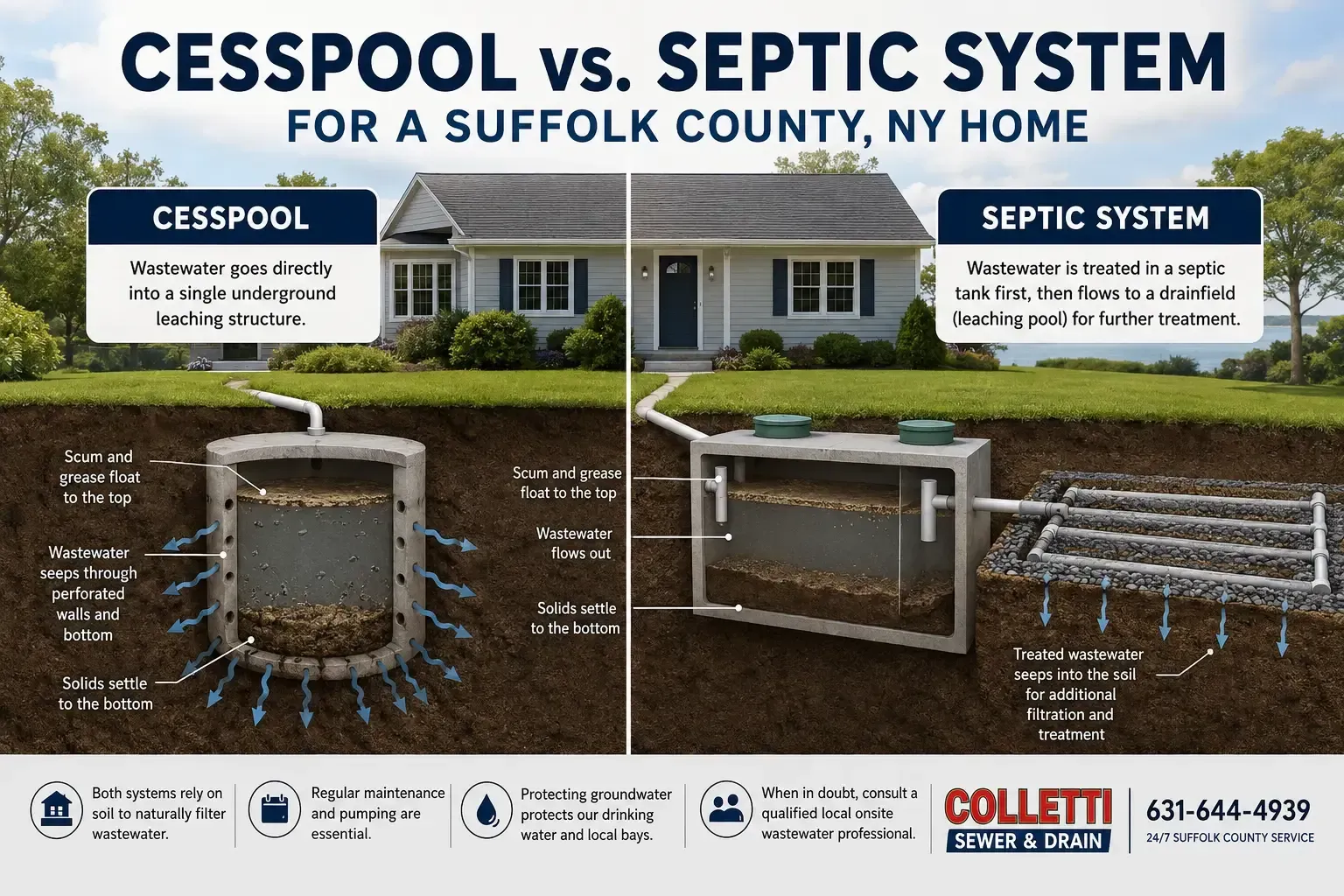
Here in Suffolk County, where about 74% of properties rely on onsite wastewater systems instead of public sewers, older cesspools, sandy soils, and seasonal high groundwater create conditions that can shorten system life (Suffolk County Government). At Colletti Sewer & Drain, we would rather keep your existing cesspool working for years than recommend a replacement you do not need. We inspect first, explain what we find, provide a clear price range before dispatch, and never push replacement before diagnosing the problem. If you are unsure which path makes sense, call us 24/7 at 631-644-4939.
Pumping vs. replacement: what each actually fixes
In brief: Pumping is routine maintenance that removes accumulated sludge and wastewater so your cesspool can continue operating normally. Replacement is appropriate only when the system itself has reached the point where its structure or its ability to absorb wastewater has failed. Most homeowners need maintenance long before they need a new cesspool.
One of the biggest misconceptions we hear from homeowners is that every pump-out means a cesspool is failing. That simply is not true.
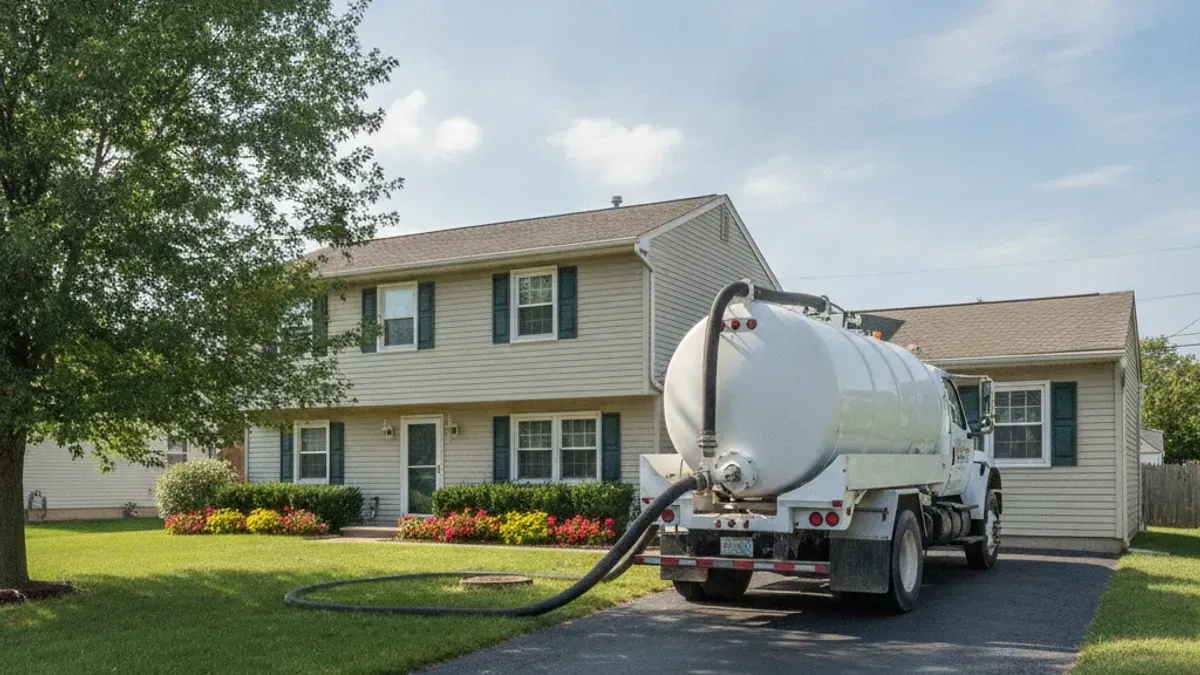
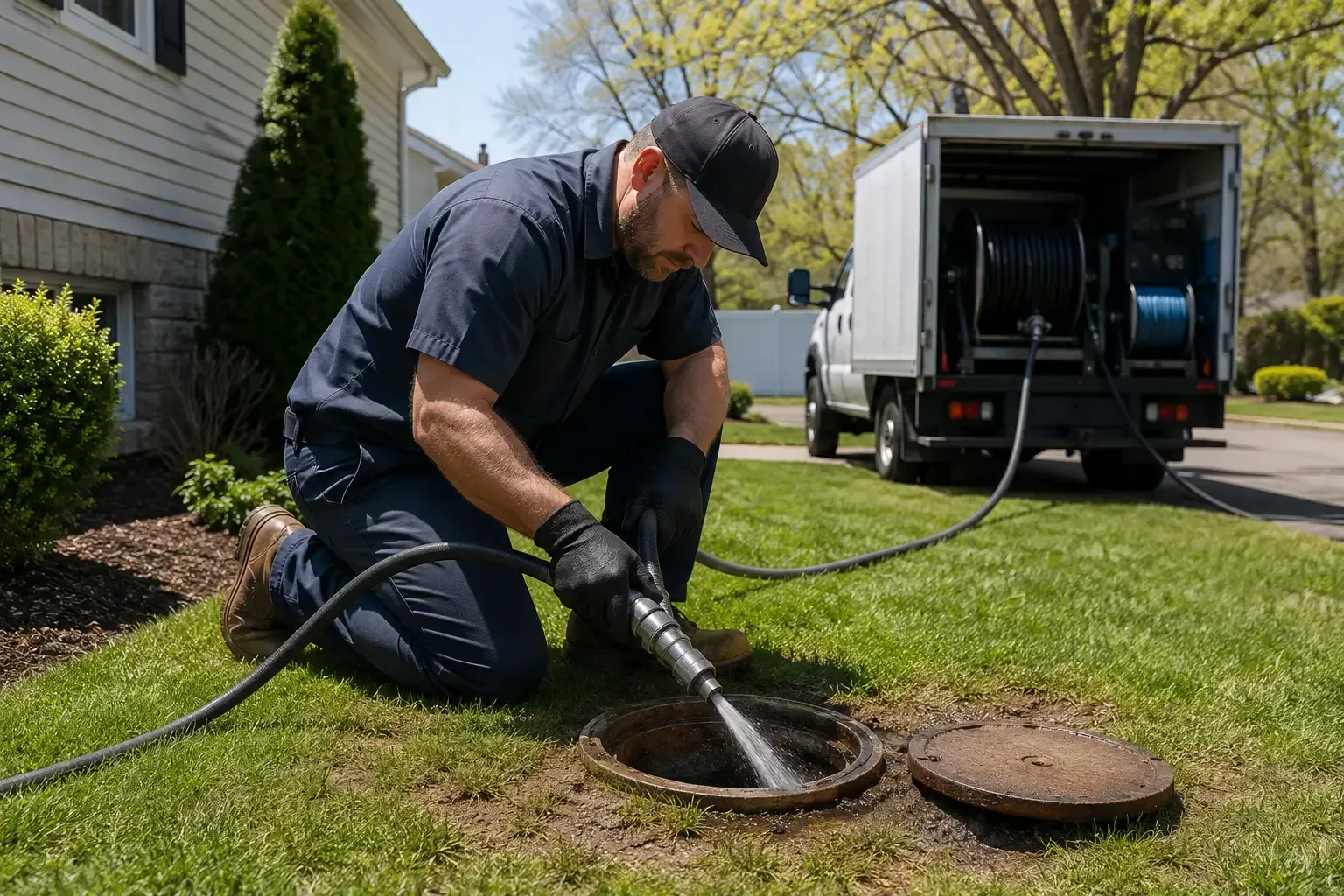
Like changing the oil in your vehicle, pumping is a normal part of owning an onsite wastewater system. Solids naturally accumulate over time, even in a properly functioning cesspool. Removing those solids helps prevent backups and allows the system to continue operating as intended.
Replacement solves a completely different problem.
A new cesspool or wastewater system becomes necessary when the existing system can no longer perform its basic job because of issues such as:
- Structural collapse
- Severe deterioration from age
- Chronic saturation of the surrounding soil
- Repeated sewage backups despite proper maintenance
- Major damage discovered during inspection
The US EPA recommends regular inspection and maintenance of onsite wastewater treatment systems because neglect often leads to avoidable failures that become far more expensive than routine service (US EPA).
At Colletti Sewer & Drain, we inspect before recommending any major work. If your cesspool only needs pumping, we will tell you. If the evidence shows replacement is the better long-term investment, we will explain exactly why.
"Our goal is not to replace every older cesspool we inspect. If routine pumping and maintenance can safely keep your system working, that's exactly what we'll recommend. Replacement should be based on evidence, not sales pressure."
Bernie Colletti, Owner, Colletti Sewer & Drain
Many Suffolk County homeowners live in houses built decades ago. Some systems continue working well with regular maintenance, while others have reached the end of their practical service life. Determining which category your property falls into requires an inspection, not guesswork.
Signs it is time to replace vs. keep pumping
In brief: A cesspool that performs normally between scheduled pump-outs usually benefits from continued maintenance rather than replacement. Systems that require increasingly frequent pumping, produce recurring backups, or show structural or drainage failure should be professionally inspected because replacement may be the most practical long-term solution.
No single symptom automatically means you need a new cesspool.
Instead, we look at the complete picture, including how often pumping is required, whether the system recovers afterward, and whether there are signs that the structure or surrounding soil has permanently lost capacity.
| Situation or symptom | Usually keep pumping | Inspect to decide | Likely replacement |
|---|---|---|---|
| Routine scheduled pump-out every year or two with normal drainage | ✔ | ||
| First sewage backup after years of normal service | ✔ | ||
| Slow drains throughout the house | ✔ | ||
| Pumping frequency becoming shorter every year | ✔ | ✔ | |
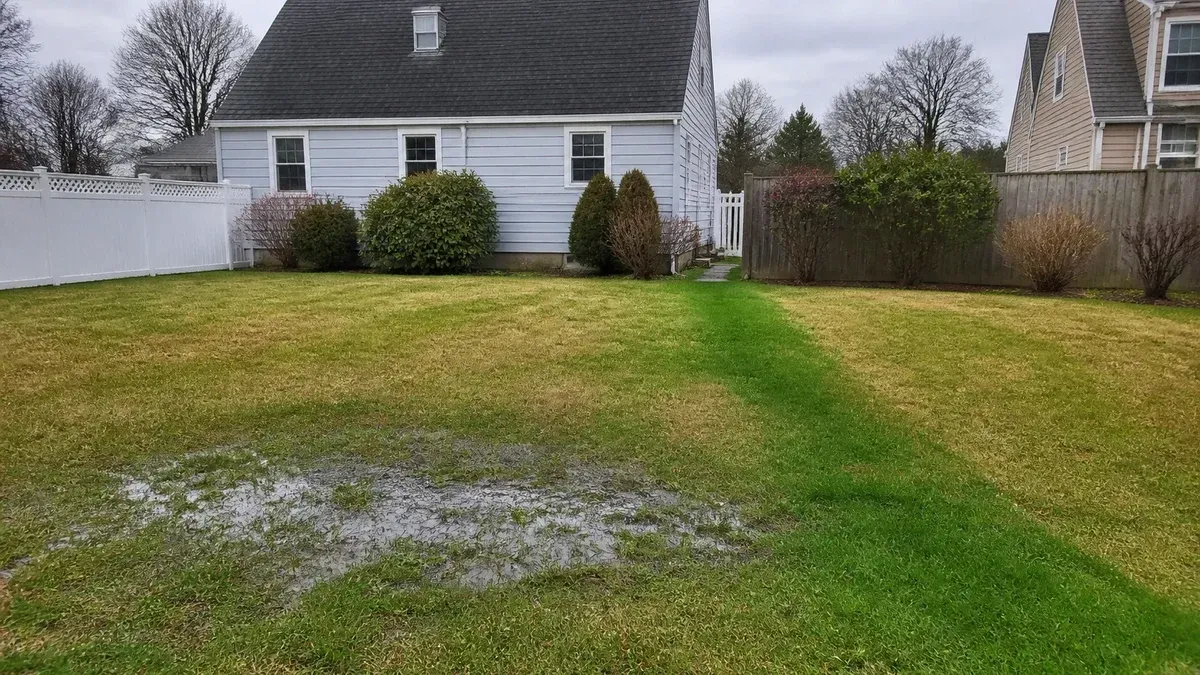
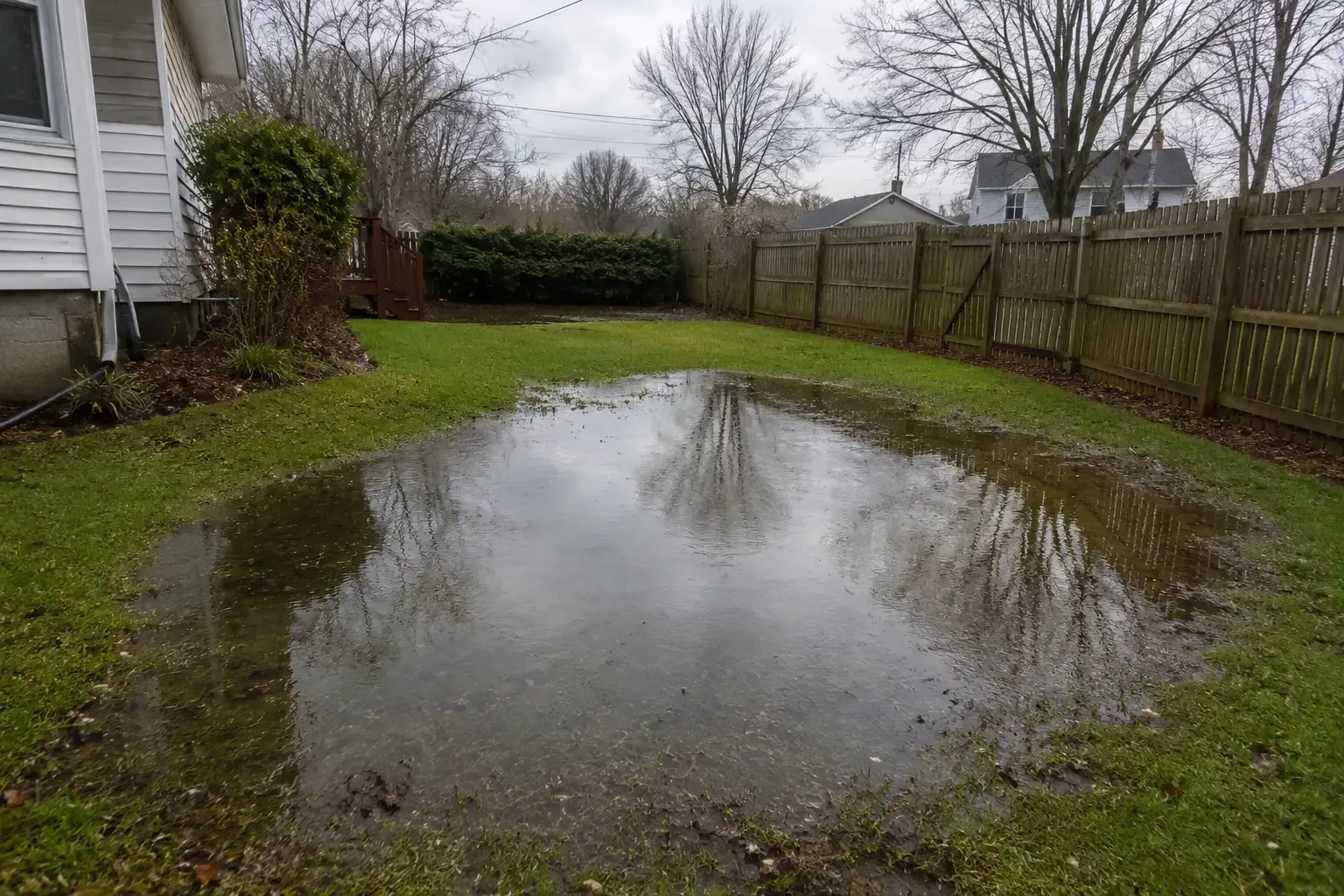
| Wastewater surfacing above the leaching area | ✔ | ||
| Persistent sewage odors over the cesspool after maintenance | ✔ | ✔ | |
| Standing water over the system during dry weather | ✔ | ||
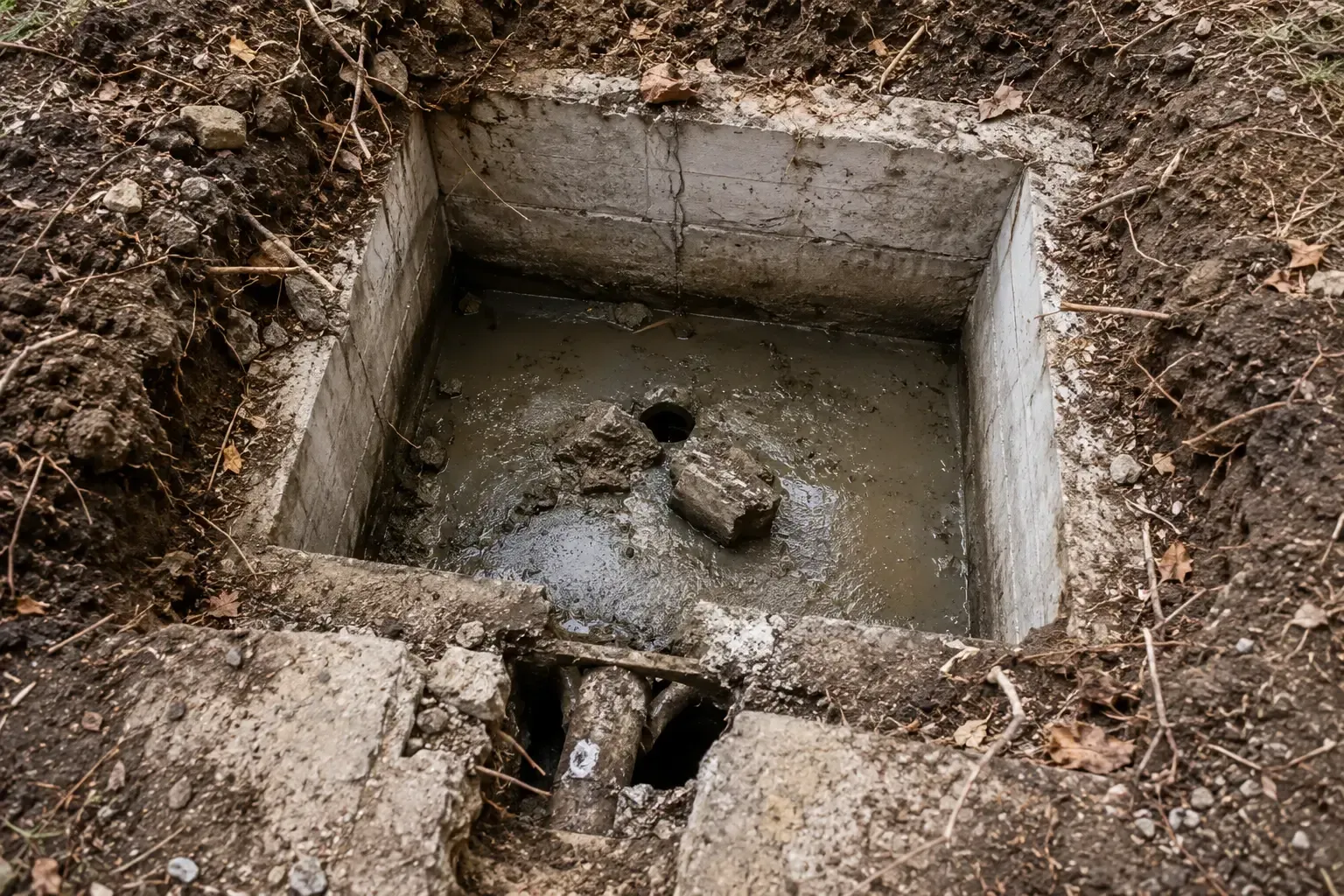
| Structural collapse of the cesspool dome or walls | ✔ | ||
| Failed home inspection due to wastewater system condition | ✔ | ✔ | |
| Visible root intrusion or structural damage found during inspection | ✔ | ✔ |
Cost alone should not determine the decision.
A pump-out is generally much less expensive than replacing a wastewater system, but repeatedly paying for emergency pumping every few months may eventually cost more than addressing the underlying problem. Because every property is different, any comparison based on specific dollar amounts should be made after inspection.
The CDC also notes that wastewater surfacing above ground or backing into a home presents a public health concern and should be addressed promptly rather than ignored (CDC).
For homeowners preparing to sell, an inspection often provides the clearest answer. A failing system can delay or complicate a transaction if significant defects are discovered before closing.
What shortens a cesspool's life on Long Island?
In brief: A cesspool's lifespan depends on more than its age. Suffolk County's sandy soils, changing groundwater conditions, household water use, grease buildup, root intrusion, and skipped maintenance all influence how long a system continues working. Local conditions often explain why two neighboring homes can have very different experiences.
Many homeowners ask us a simple question:
"How long should my cesspool last?"
There is no universal answer because every property is different. The age of the system matters, but so do the soil conditions, household size, maintenance history, and the way the system has been used over the years.
Some cesspools continue operating well for decades with routine pumping and responsible use. Others begin showing signs of trouble much sooner because the surrounding conditions place more stress on the system.
Here are the biggest factors we see across Suffolk County.
Older cesspool construction
Thousands of Long Island homes still rely on cesspools installed many decades ago. Materials naturally deteriorate over time, especially when concrete, block, or brick components remain underground year after year.
Age alone does not mean replacement is necessary, but older systems deserve closer inspection whenever drainage problems begin.
High groundwater
Many parts of Suffolk County experience seasonally high groundwater.
When groundwater rises close to the bottom of a cesspool, wastewater has less surrounding soil available for natural filtration and absorption. This can reduce drainage capacity and contribute to recurring backups.
Groundwater conditions vary significantly between communities including:
- Babylon
- Islip
- Huntington
- Brookhaven
- Riverhead
- Southampton
- Southold
- East Hampton
- Shelter Island
Local experience matters because technicians who work in these towns every day recognize drainage patterns that national guidance cannot address.
Sandy soil
Long Island's sandy soils generally allow wastewater to move more easily than heavy clay soils found elsewhere in the country.
That is often an advantage.
However, sandy soils also mean contaminants can move more quickly toward the region's sole source aquifer if a wastewater system is failing. Suffolk County has long emphasized proper onsite wastewater management because groundwater protection is critical to the region's drinking water supply (Suffolk County DHS Office of Wastewater Management).
Heavy household water use
Modern households often place greater demands on older cesspools than the systems were originally designed to handle.
Common examples include:
- Larger families
- Multiple daily laundry loads
- Long showers
- High-capacity washing machines
- Frequent overnight guests
- Water softener discharge
None of these automatically damages a cesspool, but together they can shorten the time between pump-outs.
Grease and non-flushable materials
One of the most preventable causes of premature cesspool problems is what enters the plumbing.
Items that should never be flushed or washed into the system include:
- Cooking grease
- Paper towels
- "Flushable" wipes
- Feminine hygiene products
- Cat litter
- Excessive food waste
- Oils and chemicals
The US EPA recommends keeping fats, oils, grease, and non-biodegradable materials out of onsite wastewater systems because they accelerate clogging and reduce system performance (US EPA).
Tree roots
Tree roots naturally seek moisture.
If roots find small openings around older cesspool structures or connecting pipes, they can gradually enlarge those openings and restrict wastewater flow.
Root intrusion is usually identified during inspection rather than guessed from symptoms alone.
Skipped maintenance
Routine pumping is one of the simplest ways to extend the useful life of a cesspool.
Allowing solids to build up for too long increases the chance that suspended material will migrate into the surrounding soil, reducing the system's ability to absorb wastewater over time.
That is why we encourage homeowners to think of pumping as preventive maintenance rather than an emergency service.
What to expect if you do need to replace
In brief: If inspection shows your cesspool has reached the end of its useful life, replacement begins with a professional evaluation, followed by any required county approvals, system design, installation, and final inspection. Every property is different, so the process should be based on site conditions instead of a one-size-fits-all recommendation.
No homeowner wants to hear they need a new wastewater system.
The good news is that replacement is a planned project, not something that should be rushed without understanding why the existing system has failed.
At Colletti Sewer & Drain, we begin with the facts.
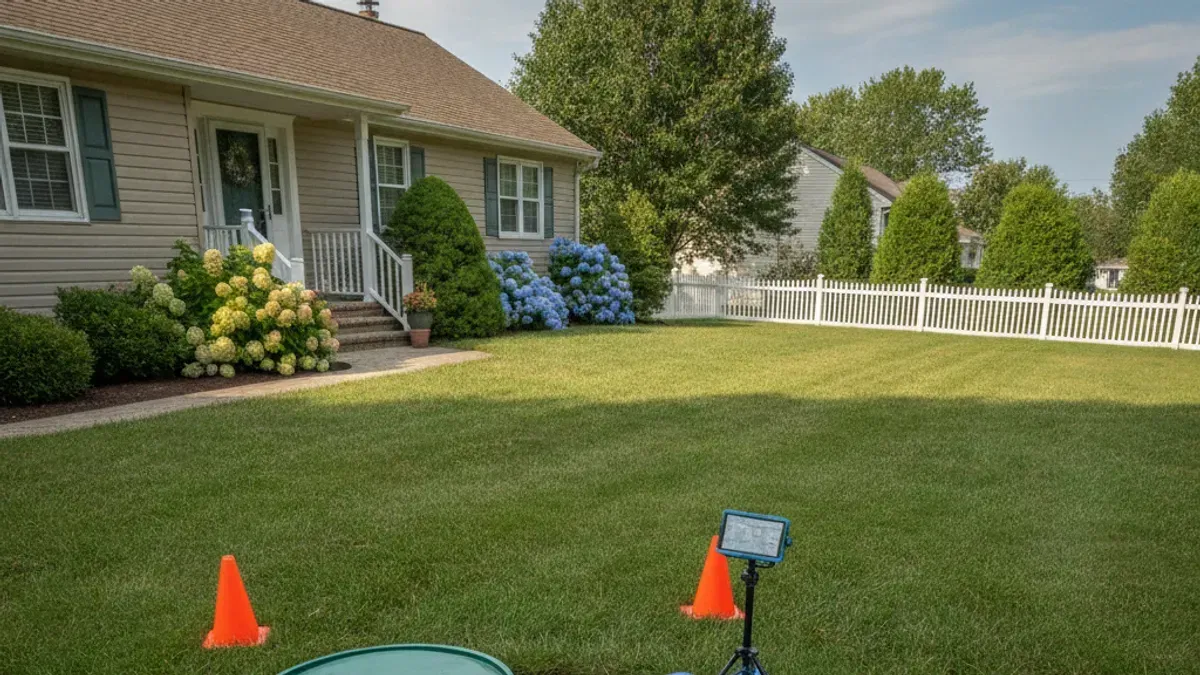
Step 1. Inspect the existing system
Our technician evaluates:
- Overall structural condition
- Drainage performance
- Evidence of collapse
- Signs of groundwater intrusion
- Existing pipe condition
- Surface drainage problems
- Whether maintenance is still a practical option
Sometimes the inspection confirms that another pump-out is all that is needed.
Other times, the evidence clearly shows that replacement will save the homeowner repeated emergency calls and ongoing repair costs.
Step 2. Explain the findings
We believe homeowners deserve straightforward information.
That means explaining:
- What we found
- Why the problem is occurring
- Whether repair is realistic
- Whether replacement is recommended
- Which county approvals may be required
We separate routine maintenance from replacement because they solve different problems.
Step 3. Obtain required approvals
Replacement work often requires approval through the Suffolk County Department of Health Services Office of Wastewater Management before installation begins.
Requirements can vary depending on:
- Property location
- Existing system
- Scope of work
- Current county regulations
We explain the process so homeowners know what to expect before work begins.
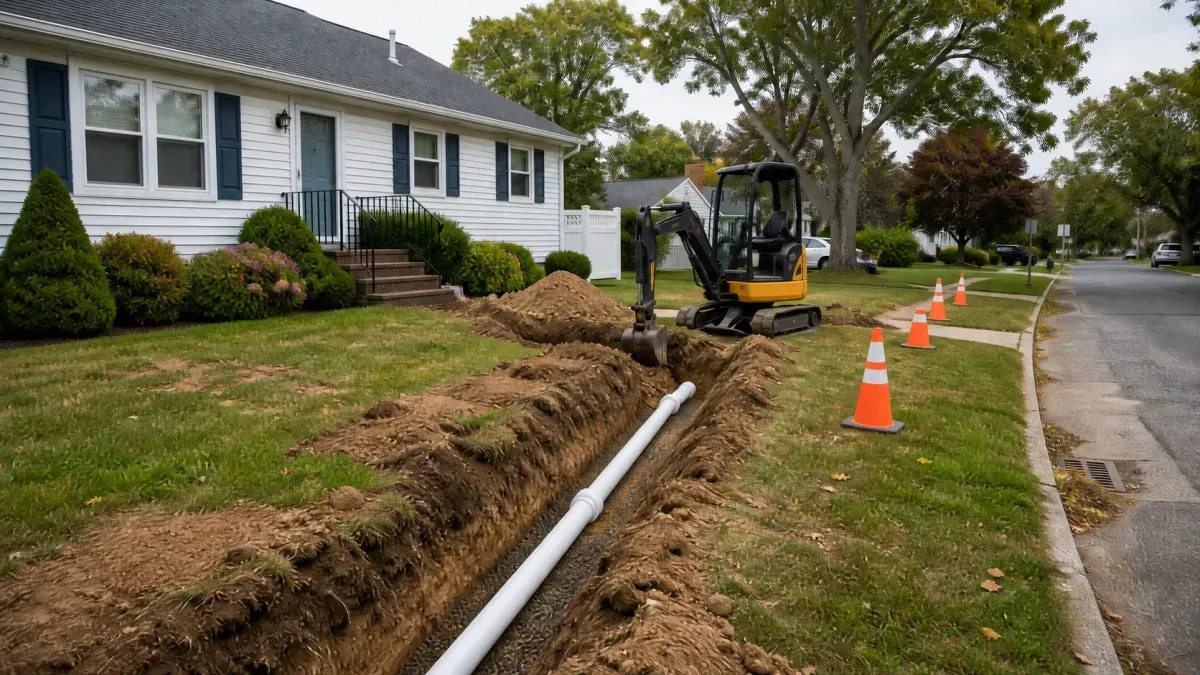
Step 4. Install the replacement system
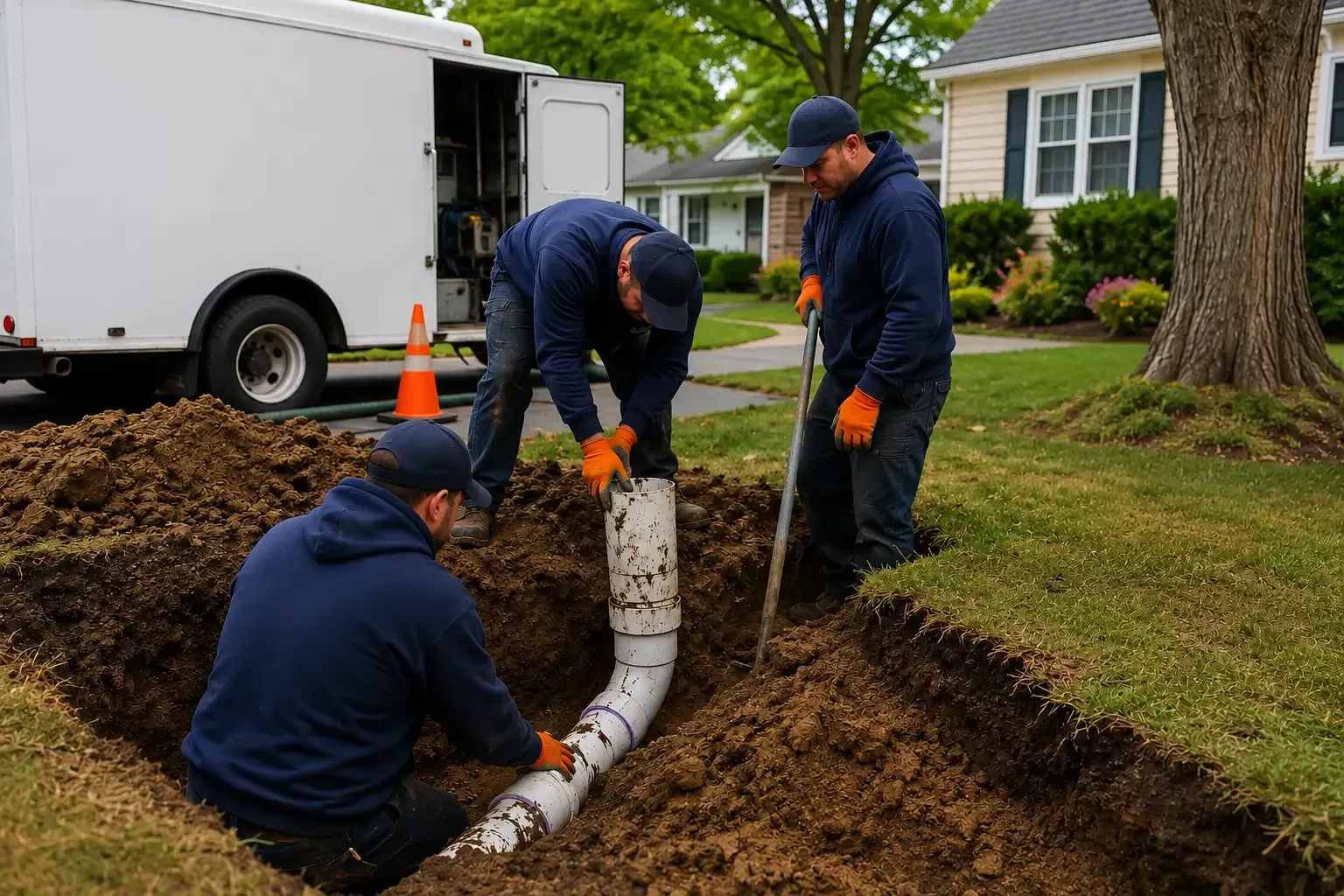
Once approvals are complete, the replacement system can be installed according to current county requirements.
Suffolk County has increasingly required advanced nitrogen-reducing onsite wastewater treatment systems for certain new and replacement installations as part of ongoing groundwater protection initiatives.
Step 5. Final inspection and long-term maintenance
A new wastewater system still requires routine maintenance.
Replacement does not eliminate future pumping or inspections. Instead, it provides a properly functioning system that can continue serving the property for many years when maintained correctly.
If your primary question is cost rather than whether replacement is necessary, see our guide to new cesspool installation cost, which explains the factors that influence pricing without assuming every property requires the same solution.
Suffolk County rules and permits homeowners should know
In brief: Routine cesspool pumping is considered maintenance and generally does not require the same approvals as replacing, installing, or substantially modifying an onsite wastewater system. Replacement projects should always be reviewed under current Suffolk County Department of Health Services requirements because permit and design standards vary depending on the property and the scope of work.
Many homeowners assume replacing a cesspool is as simple as digging a new hole.
In reality, wastewater systems are regulated because they directly affect public health and Long Island's groundwater. Suffolk County relies heavily on onsite wastewater treatment systems, making proper installation and maintenance especially important.
The Suffolk County Department of Health Services Office of Wastewater Management oversees many aspects of onsite wastewater systems, including installation, replacement, major repairs, and system modifications. The goal is to protect the region's sole source aquifer while ensuring wastewater is treated safely (Suffolk County DHS Office of Wastewater Management).
Routine maintenance versus replacement
Understanding the difference can prevent unnecessary surprises.
Routine maintenance typically includes:
- Scheduled cesspool pumping
- Basic inspections
- Cleaning and maintenance services
Projects that often require county review or approval include:
- Installing a new onsite wastewater system
- Replacing an existing cesspool
- Major structural repairs
- Significant modifications to the wastewater system
Requirements may vary based on property characteristics and current county regulations, so homeowners should never assume that a replacement project can begin without confirming the applicable rules.
The New York State Department of Environmental Conservation also provides statewide guidance regarding onsite wastewater management and groundwater protection, while Suffolk County administers many local permitting requirements (NYS DEC).
Nitrogen reduction requirements
Protecting groundwater has become an increasing priority across Long Island.
Suffolk County has implemented programs encouraging and, in some situations, requiring advanced nitrogen-reducing onsite wastewater treatment systems rather than traditional cesspools.
Whether a specific replacement project must use an Innovative/Alternative (I/A) nitrogen-reducing system depends on current county regulations and the circumstances of the property.
Watch for unrealistic promises
One of the easiest ways to identify an unreliable contractor is by the promises they make before visiting your property.
Be cautious if someone says:
- "You never need county approval."
- "We can give you an exact replacement price over the phone."
- "You definitely need a brand-new system without an inspection."
- "Every old cesspool has to be replaced immediately."
Those statements ignore the fact that every property is different.
At Colletti Sewer & Drain, we inspect first, explain what we find, and discuss your options before recommending major work.
How to choose an honest Suffolk County cesspool company
In brief: A trustworthy cesspool company focuses on diagnosing the problem before recommending the solution. Look for local Suffolk County experience, transparent communication, clear pricing expectations, and a willingness to explain whether pumping, repair, or replacement makes the most sense for your property.
Most homeowners only deal with a wastewater emergency a handful of times during their lives.
That makes it difficult to know whether the recommendation they receive is truly necessary.
We believe choosing the right company starts with asking the right questions.
Look for a company that:
✔ Serves Suffolk County every day.
✔ Understands local groundwater, sandy soils, and older cesspool systems.
✔ Answers emergency calls 24 hours a day, 7 days a week.
✔ Provides a realistic price range before dispatch.
✔ Performs an on-site inspection before quoting replacement.
✔ Clearly explains what caused the problem.
✔ Separates routine maintenance from replacement.
✔ Discusses repair options whenever appropriate.
✔ Explains county approval requirements honestly.
Be cautious if a company:
✘ Recommends replacement before inspecting the system.
✘ Offers an unusually low flat price without seeing the property.
✘ Refuses to explain why replacement is necessary.
✘ Pressures you into making an immediate decision.
✘ Cannot explain the difference between a maintenance issue and a structural failure.
As Bernie Colletti often tells homeowners:
"The right answer isn't always a new cesspool. Sometimes it's simply routine maintenance. Our job is to identify which one you actually need, not which one costs more."
Bernie Colletti, Owner, Colletti Sewer & Drain
That approach has helped homeowners throughout Babylon, Brookhaven, Huntington, Islip, Smithtown, Riverhead, Southampton, Southold, East Hampton, and Shelter Island make informed decisions based on facts instead of pressure.
If your cesspool only needs pumping, we'll tell you.
If replacement is the better long-term investment, we'll explain exactly why.
Frequently asked questions
When should I replace my cesspool instead of pumping it again?
In brief: Replace your cesspool when routine pumping no longer restores normal operation because the system has structural damage, recurring sewage backups, persistent surface wastewater, or significantly reduced drainage capacity. If the system performs normally after scheduled maintenance, pumping is usually still the appropriate solution.
Routine maintenance is expected throughout the life of a cesspool. Replacement becomes the better option when inspections show that the structure or surrounding soil has permanently lost its ability to function. We inspect first so you understand exactly what condition your system is in before making a major investment.
What are the signs a cesspool is failing?
In brief: The most common warning signs include recurring sewage backups, drains that remain slow after pumping, standing water above the cesspool, persistent sewage odors outdoors, unusually frequent pump-outs, and visible structural damage. These symptoms should be professionally evaluated because several different problems can produce similar warning signs.
The US EPA identifies recurring backups, slow drainage, and wastewater surfacing above ground as important indicators that an onsite wastewater treatment system may not be functioning properly. Early inspection often prevents more extensive damage (US EPA).
How long does a cesspool last in Suffolk County?
In brief: There is no fixed lifespan because performance depends on maintenance, household water use, groundwater conditions, soil characteristics, and the quality of the original installation. Some systems remain functional for decades, while others require replacement much sooner.
Age alone should never determine whether a system is replaced. A professional inspection provides a far more accurate picture than simply estimating the system's age.
Is it cheaper to keep pumping or to replace a cesspool?
n brief: Routine pumping is almost always less expensive than replacing a wastewater system when the cesspool is still functioning correctly. However, repeatedly paying for emergency pump-outs on a failing system may become more costly over time than correcting the underlying problem.
The right decision depends on inspection findings rather than a simple price comparison.
Does a failing cesspool have to be replaced with an I/A system in Suffolk County?
In brief: Some replacement projects in Suffolk County may require an Innovative/Alternative (I/A) nitrogen-reducing onsite wastewater treatment system, depending on current county regulations, property characteristics, and the scope of work. The applicable requirements should always be confirmed with the Suffolk County Department of Health Services before replacement begins.
Suffolk County has expanded the use of nitrogen-reducing wastewater technology to help protect Long Island's groundwater and surface waters. Whether your project requires an I/A system depends on current county rules and the specifics of your property.
At Colletti Sewer & Drain, we explain the applicable requirements before work begins so there are no surprises during the approval process.
Can a cesspool be repaired instead of replaced?
In brief: Yes, some cesspool problems can be repaired instead of requiring complete replacement. Pipe damage, access covers, certain drainage issues, and isolated defects may be repairable, while structural collapse or permanent loss of leaching capacity often makes replacement the better long-term solution.
This is exactly why we inspect before recommending major work.
Many homeowners expect to hear they need a completely new system, only to discover the problem is much smaller.
Other times, what appears to be a simple clog turns out to be evidence that the cesspool itself has reached the end of its useful life.
Our recommendation is always based on what we actually find during inspection.
How do I know if my cesspool has collapsed?
In brief: A collapsed cesspool often produces recurring sewage backups, unusually frequent pumping needs, depressions in the yard, persistent standing water, or structural damage discovered during inspection. Because many of these symptoms overlap with other problems, a professional evaluation is the safest way to confirm the cause.
Signs that deserve immediate attention include:
A noticeable depression above the cesspool
Wastewater surfacing during dry weather
Repeated backups after recent pumping
Sudden changes in drainage performance
Evidence of structural damage during inspection
Ignoring these warning signs can increase repair costs and create potential health concerns if untreated wastewater reaches the ground surface (CDC).
Will a failing cesspool stop a home sale?
In brief: It can. A failing cesspool may delay negotiations, require repairs before closing, or become a point of negotiation after inspection. Addressing wastewater concerns before listing a home often helps transactions move more smoothly.
Buyers increasingly request wastewater inspections before closing, especially for older Suffolk County homes.
An inspection can identify whether the system simply needs maintenance or whether larger issues should be addressed before the property changes ownership.
If you're preparing to sell, our guide to cesspool inspection before you buy or sell explains what inspectors typically evaluate and why addressing problems early can reduce last-minute surprises.
Wondering if it is time to replace? Get Colletti's honest read.
If your cesspool is draining normally after routine maintenance, replacing it may not make sense today.
If you're dealing with recurring backups, increasingly frequent pump-outs, standing wastewater, persistent odors, or concerns about an aging system, the smartest next step is a professional inspection instead of guessing.
That is exactly how we work at Colletti Sewer & Drain.
We proudly serve homeowners throughout Babylon, Brookhaven, Huntington, Islip, Smithtown, Riverhead, Southampton, Southold, East Hampton, Shelter Island, and surrounding Suffolk County communities.
When you call us, you can expect:
- 24/7 emergency response
- A clear price range before dispatch
- A thorough on-site inspection
- Honest guidance based on the condition of your system
- No pressure to replace a cesspool that can still be maintained
We would rather help you keep a healthy cesspool working for years than recommend unnecessary replacement. And when replacement truly is the right solution, we'll explain why, walk you through every step, and make sure you understand your options before work begins.
To schedule an inspection or discuss your concerns with a local Suffolk County wastewater professional, call Colletti Sewer & Drain today at 631-644-4939, schedule Suffolk County service, or request an appointment. Whether your system needs routine pumping, repair, or replacement, we're here to provide straightforward answers you can trust.