Why Your Basement Smells Like Sewer in Coram, Ridge & Medford: 7 Cesspool-Specific Causes No Plumber Tells You About
Quick Fix Box:
Most basement sewer smells in Suffolk County are caused by a dry floor drain, a failing cesspool, or a blocked plumbing vent. If you have a sewer smell in basement areas right now, try these three checks first: pour water down every basement floor drain, check whether the basement toilet rocks at the base, and sniff near the cleanout cap for a strong rotten-egg smell.
If the smell is overwhelming, or you feel dizzy, lightheaded, nauseous, or have a headache, leave the basement, open windows if you can do so safely, and call 631-644-4939 or 911.
Colletti Sewer & Drain has been diagnosing basement sewer smell Long Island issues across Coram, Ridge, Medford, and surrounding Suffolk towns for years. We provide same-day help when available.
What You’re Smelling and Why It Matters
A sewer smell in your basement is real. It is not “just an old house smell,” and it is not something to ignore.
What most homeowners call sewer gas is usually a mix of gases produced when waste breaks down. One of the main gases behind the rotten-egg odor is hydrogen sulfide. The CDC’s ATSDR on hydrogen sulfide says hydrogen sulfide is a flammable, colorless gas that smells like rotten eggs and is often called sewer gas. The same CDC page says people can smell hydrogen sulfide at very low levels, but exposure at higher levels can cause irritation, headaches, nausea, fatigue, and more serious effects. (CDC)
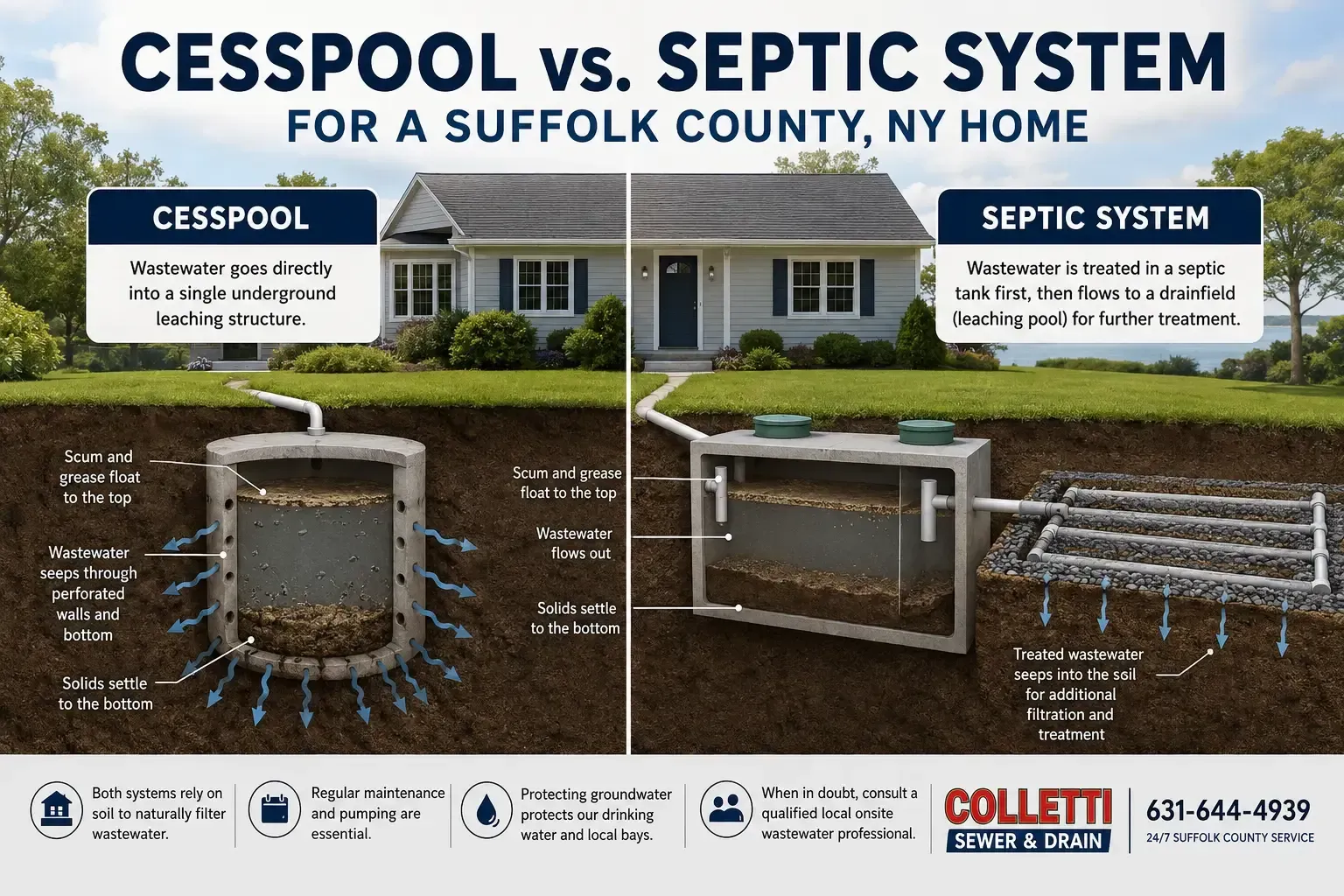
There is also a local reason this problem is different in Coram, Ridge, Medford, Selden, Centereach, Middle Island, Patchogue, and nearby towns. Suffolk County says nearly 70% of homes in the county use cesspools or septic systems, and those systems are a major source of nitrogen pollution. That means a basement odor in Suffolk County is not always a simple plumbing issue. It can come from the underground cesspool, the drywell, the sewer lateral, or the venting around the home. (suffolkcountyny.gov)
Most national plumbing guides assume the house is connected to a municipal sewer. That is a poor fit for much of Long Island. If your basement smells like sewage but no leak is visible, use the seven causes below to narrow it down.
1. Is a Dry P-Trap on a Basement Floor Drain Causing the Sewer Smell?
What it is:
A P-trap is the U-shaped bend under a drain. It holds a small amount of water. That water works like a seal, blocking sewer gas from coming back into the house. When the trap dries out, sewer gas comes through the drain and into the basement.
This is the most common cause of sewer gas smell rotten eggs basement complaints. It happens a lot in unfinished basements, utility rooms, laundry rooms, and older homes where the floor drain is rarely used.
How to confirm it:
Find every basement floor drain. Pour 2 to 3 cups of water into each one. If the smell fades within 24 hours, the dry trap was likely the problem.
How to fix it:
Pour water into rarely used basement drains once a month. After adding water, add one tablespoon of mineral oil. The oil floats on top of the water and slows evaporation.
Why it is common in Suffolk County:
Winter heat dries out basement air. Many Long Island homeowners do not use basement floor drains for weeks at a time. In Coram, Ridge, Medford, and Selden homes with unfinished basements, this is a textbook cause.
2. Is a Missing or Loose Cleanout Cap Letting Sewer Gas Into the Basement?
What it is:
A sewer cleanout is a capped access pipe. It lets a technician snake, jet, or inspect the main drain line. In many Suffolk County homes, it sits near where the main drain exits the basement and runs toward the cesspool or septic system.
If that cap is loose, cracked, or missing, sewer gas has a direct path into the basement.
How to confirm it:
Walk the basement perimeter. Look for a 3-inch or 4-inch pipe with a threaded cap. It may be black, white, or metal. Sniff near the cap without putting your face too close. If the odor is strongest right there, you found the source.
How to fix it:
A simple plastic replacement cap is inexpensive. Wrap PTFE tape around the threads and hand-tighten the cap. Do not force it. If the cap will not seat, the threads may be damaged. That needs a pro.
Why it is common in Suffolk County:
Older Coram, Selden, Centereach, and Middle Island homes have often had years of drain cleaning, snaking, and emergency service. A cap can be removed during a previous service call and not tightened fully afterward.
3. Is the Wax Ring Under a Basement Toilet Failing?
What it is:
The wax ring seals the toilet to the flange in the floor. When the seal dries out, cracks, shifts, or was never compressed evenly, sewer gas leaks around the toilet base.
This is common in basement bathrooms. The toilet may look normal, but the seal underneath can still be bad.
How to confirm it:
Stand over the toilet and try to rock it gently from side to side. Any movement is a red flag. Also check the base for staining, discoloration, dampness, or a gap between the toilet and floor.
How to fix it:
The toilet has to be pulled, the old wax ring removed, and the toilet reset with a new seal. Many plumbers and handymen handle this type of repair. Colletti’s plumbing team can also handle it during the same visit as drain, sewer, or cesspool work.
Why it is common in Suffolk County:
Many basement bathrooms in Ridge, Medford, Patchogue, and Brookhaven homes were added during renovations in the 1980s and 1990s. Those seals are now old enough to fail.
4. Is a Blocked or Broken Plumbing Vent Stack Pushing Sewer Gas Back Down?
What it is:
Every home has a plumbing vent stack. It runs from the drain system up through the roof. Its job is to balance pressure and release sewer gas above the roofline.
When the vent stack is blocked, gas cannot escape upward. It moves backward through the plumbing system. The lowest open point is often a basement floor drain, toilet, laundry line, or utility sink.
How to confirm it:
Listen for gurgling drains. Look for slow drains in more than one room. Notice whether the smell is worse on cold mornings, after wind, or after a storm. Those clues point toward a venting issue.
How to fix it:
This needs a professional. Roof work is dangerous. Clearing a vent may require a snake from the roof or a camera from below. A sewer camera inspection can also confirm whether the issue is in the vent, the main line, or the pipe to the cesspool.
Why it is common in Suffolk County:
Long Island homes deal with leaves, bird nests, wind, ice, and roofline debris. Vent stack blockages show up often in winter and after storms in Mt. Sinai, Miller Place, Yaphank, Ridge, and nearby towns.
5. Is a Failing or Full Cesspool Causing the Cesspool Gas Smell in Your House?
What it is:
A cesspool is an underground pit that collects wastewater and lets liquid seep into the surrounding soil. When it fills, clogs, or the soil around it becomes saturated, gas pressure builds. That gas looks for the easiest way back into the home.
The easiest way is often the lowest drain. That is why a failing cesspool can smell strongest in the basement.
This is the cause national plumbing blogs miss. They assume city sewer. Suffolk County’s own septic grants page says nearly 70% of homes in the county use cesspools or septic systems, so cesspool failure belongs near the top of any Suffolk County odor checklist. (suffolkcountyny.gov)
How to confirm it:
Look for more than one clue:
- The smell is strongest near a basement floor drain, basement toilet, or laundry hookup.
- Drains are slow throughout the house, not just in one sink.
- Toilets bubble, gurgle, or flush weakly.
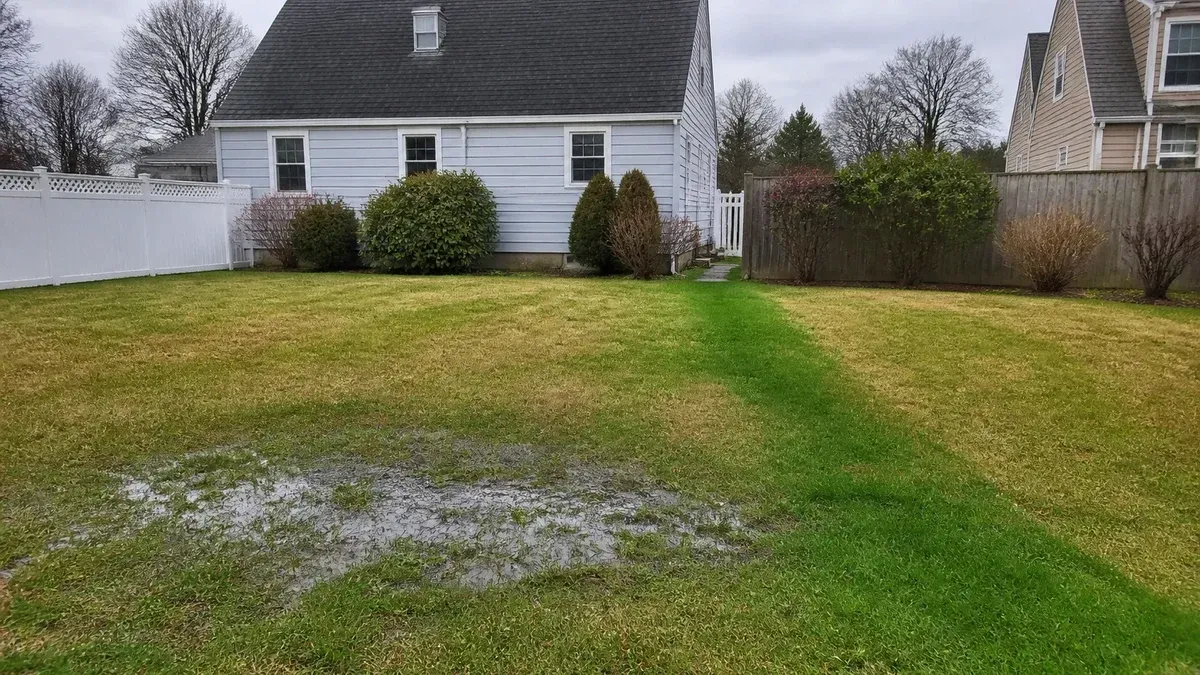
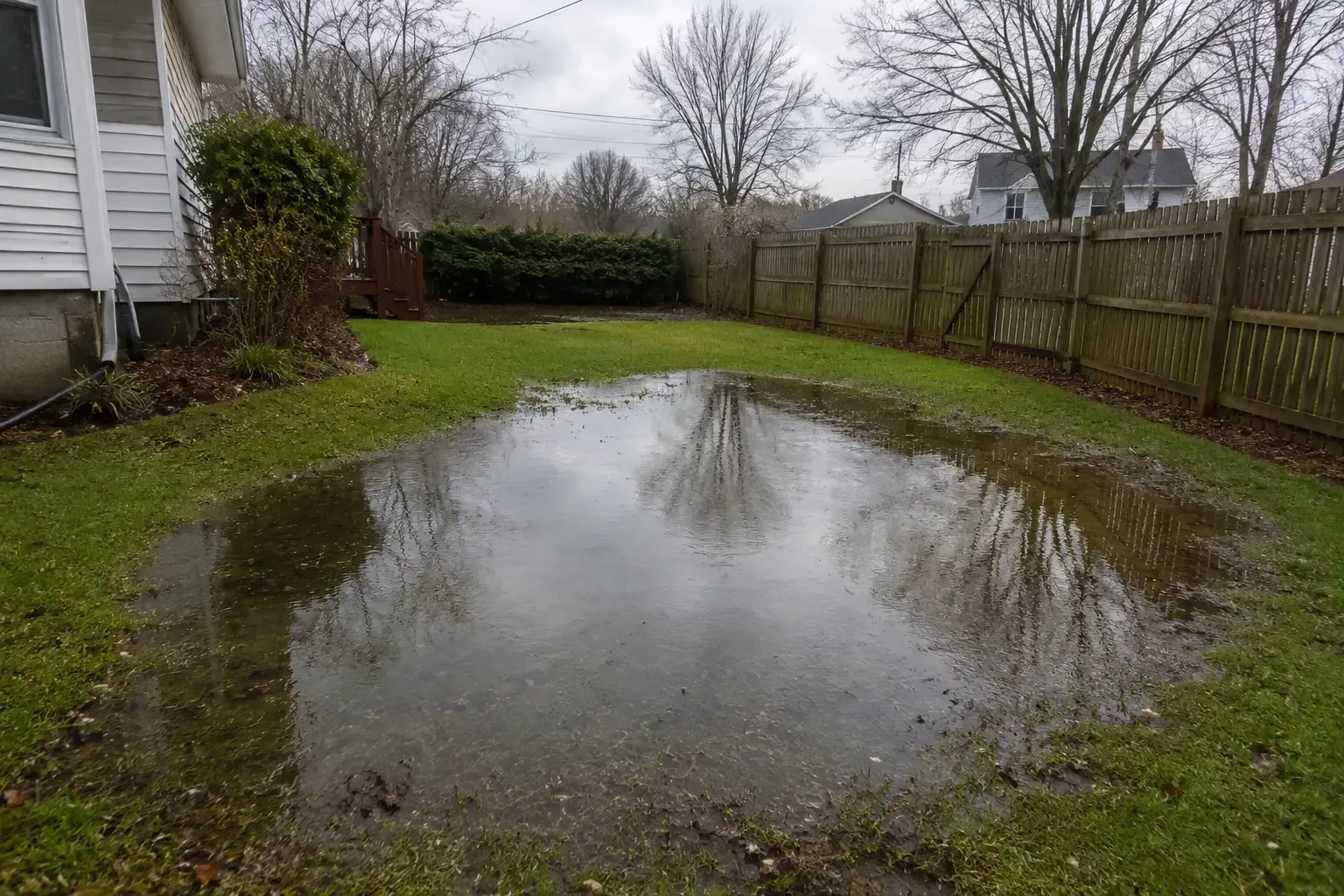
- The yard has a soft, soggy, or unusually green patch over the cesspool area.
- The smell gets worse after heavy rain.
Multiple “yes” answers point toward the cesspool.
How to fix it:
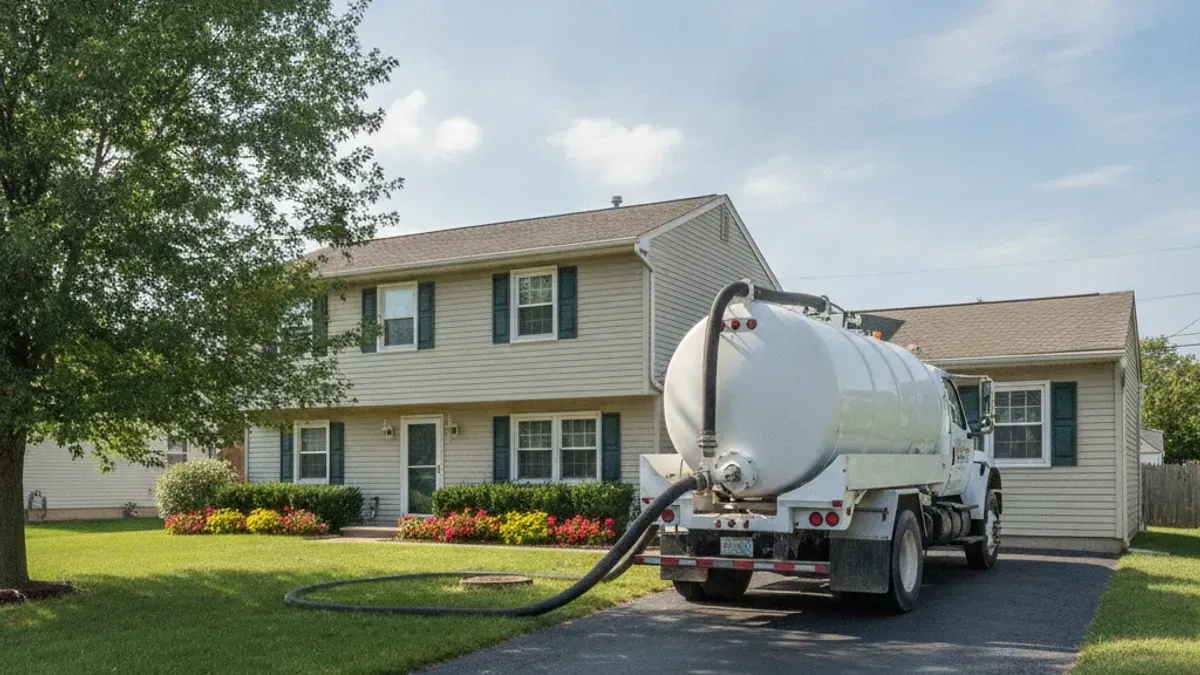
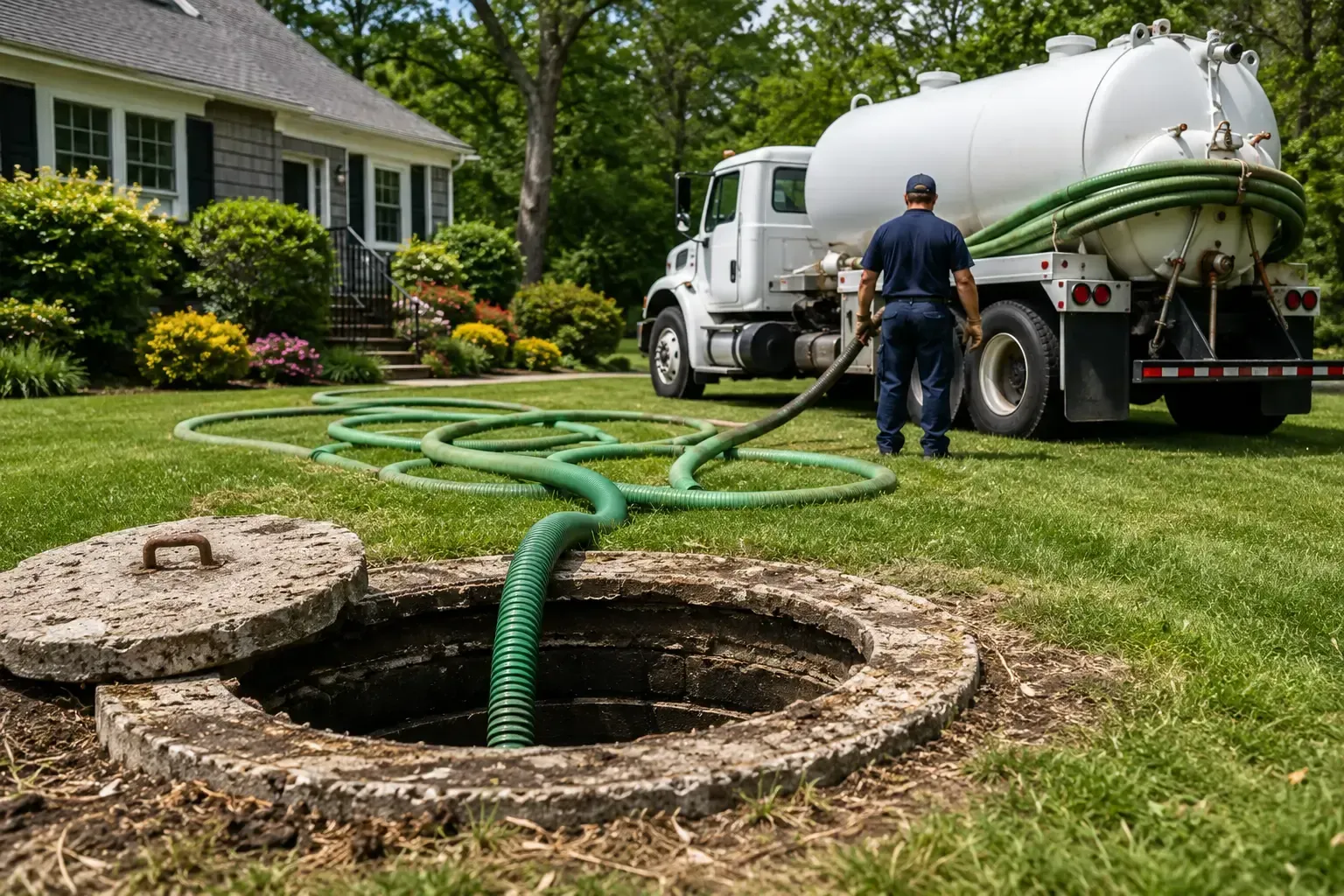
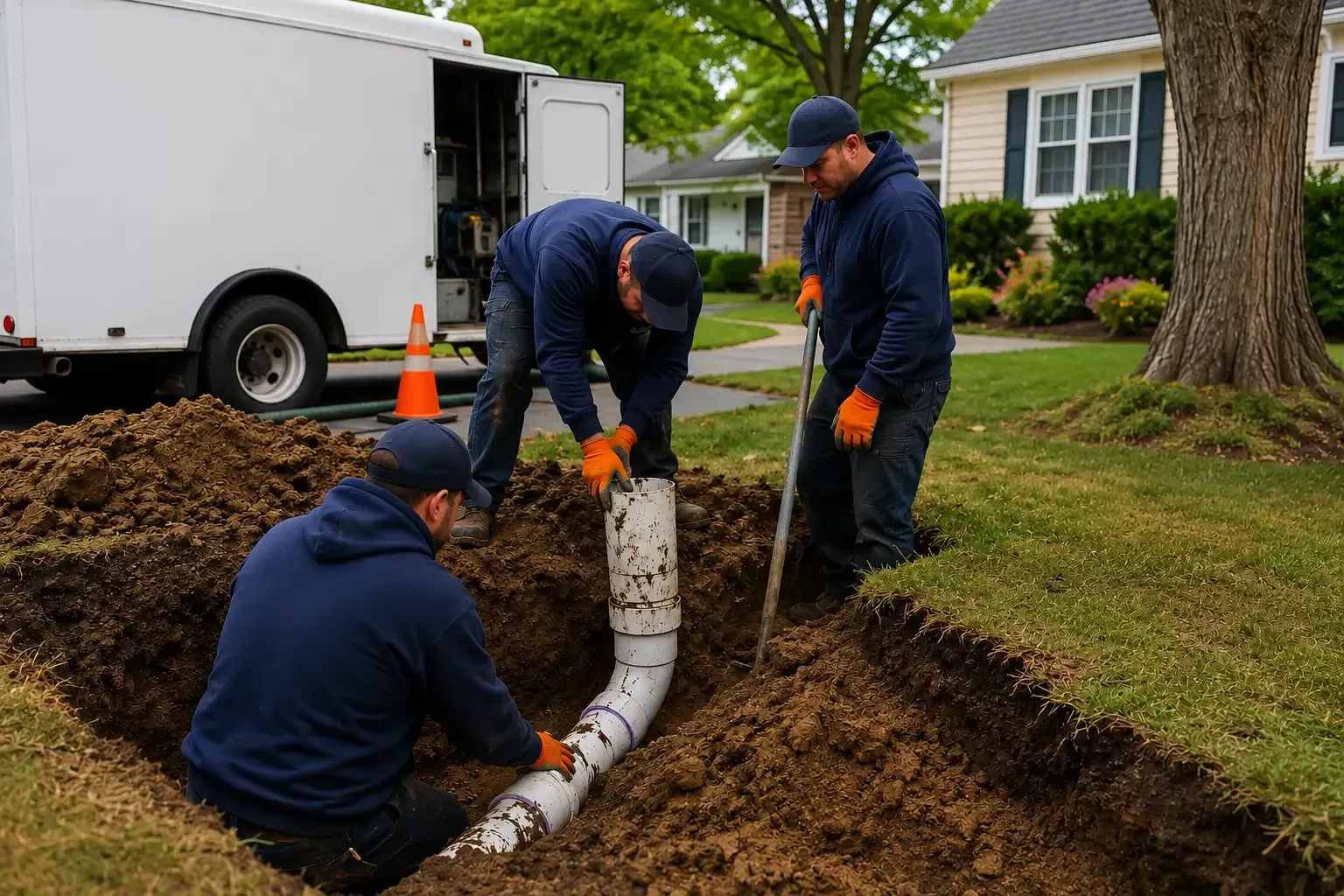
This needs immediate cesspool pumping and inspection. If the cesspool is older or structurally failing, it may need replacement. Suffolk County also states that its Septic Improvement Program and the New York State Septic System Replacement Program can help eligible homeowners replace cesspools or septic systems with I/A systems. You can read more in the
Suffolk County septic grant program guide, or review the county’s
Reclaim Our Water program. (suffolkcountyny.gov)
Why it is common in Suffolk County:
Many homes in Coram, Ridge, Medford, Selden, Centereach, and Middle Island were built when cesspools were common. Those systems have aged. Heavy rain, saturated soil, roots, and years of use can push an older cesspool past its limit.
Think this is your problem? Colletti’s cesspool truck can be at your Coram, Ridge, or Medford home today when scheduling allows. Call 631-644-4939 for same-day help.
6. Is a Broken or Disconnected Drywell Vent Causing the Odor?
What it is:
Many Long Island homes have a drywell. A drywell is a separate underground pit that handles washing machine discharge, sink water, stormwater, or other graywater flow, depending on the home’s setup.
Some drywells have a vent pipe that runs near the foundation or out into the yard. If that pipe breaks, disconnects, or loses its cap, odor can escape near the home. From there, it can move into the basement through gaps around plumbing penetrations, slab cracks, or foundation openings.
How to confirm it:
Check whether the smell is strongest near the laundry area. Notice whether the odor increases when the washing machine drains. Then look outside along the foundation wall nearest the laundry drain. Look for a small PVC vent pipe, usually 1.5 to 2 inches wide.
How to fix it:
This needs a sewer and drain specialist who understands Long Island drywell systems. A general plumber may only check the indoor fixtures and miss the outdoor drywell vent.
Why it is common in Suffolk County:
Drywell setups are common across Long Island. Landscapers, storms, soil movement, and age can damage vent pipes. This is one of the most Suffolk-specific causes of basement odor, and it is one reason homeowners in Coram, Ridge, Medford, and Patchogue need more than a generic plumbing checklist.
7. Is a Cracked Sewer Lateral or Cesspool Inlet Pipe Letting Gas Into the Basement?
What it is:
The sewer lateral is the pipe that runs from the house to the cesspool or septic system. Older homes often have cast iron. Newer repairs are often PVC.
When a sewer lateral cracks, separates, or gets invaded by tree roots, sewer gas can escape underground. That gas can move through soil and enter the basement through slab cracks, wall gaps, or pipe penetrations.
How to confirm it:
This problem is harder to spot without equipment. Look for these clues:
- The smell stays after you refill floor drains.
- The cleanout cap is tight.
- The toilet does not rock.
- There is no visible basement leak.
- The odor is stronger near the foundation wall closest to the cesspool line.
- You notice a faint sewer smell outside.
How to fix it:
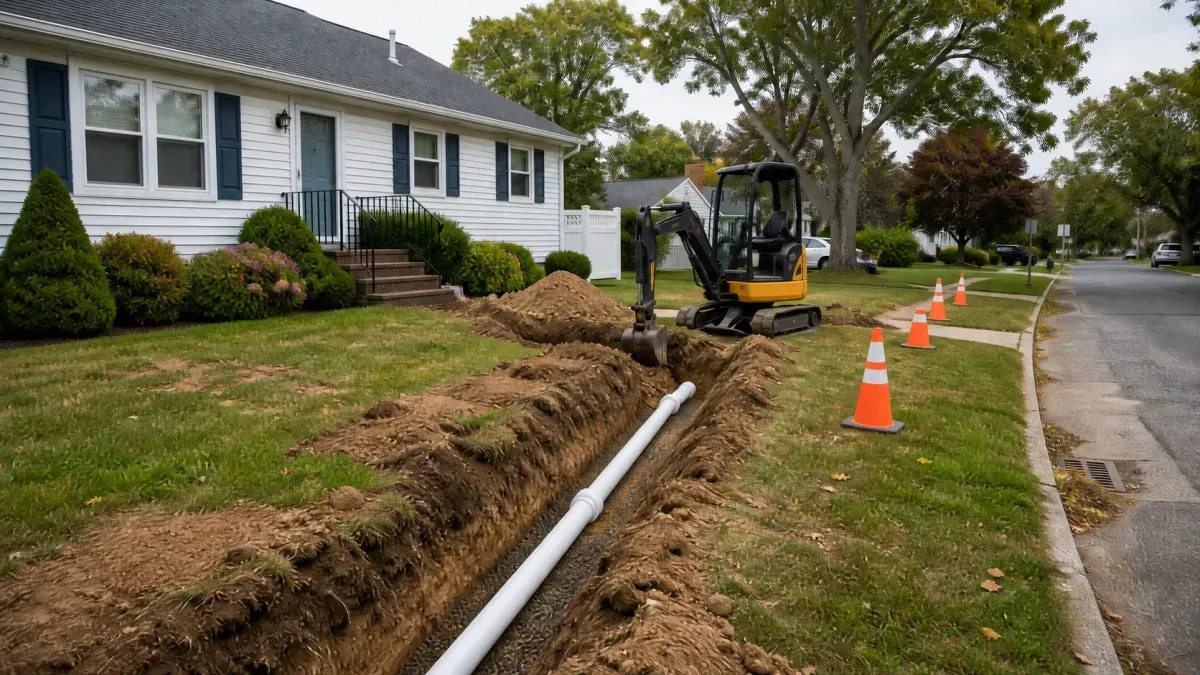
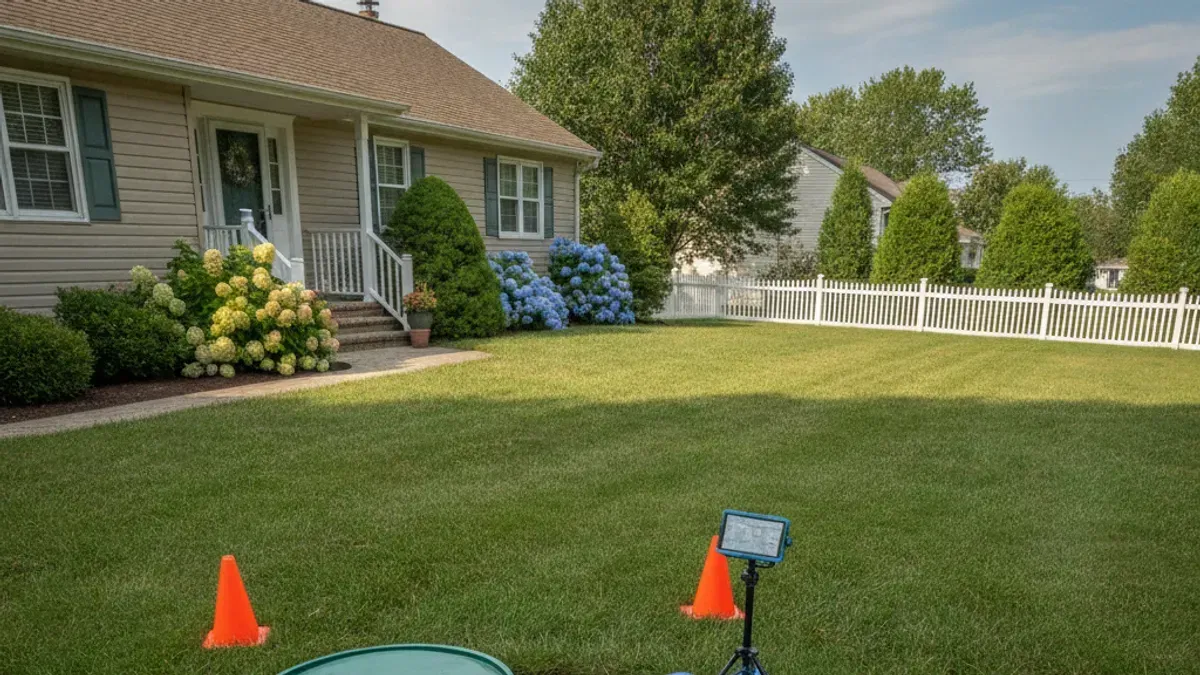
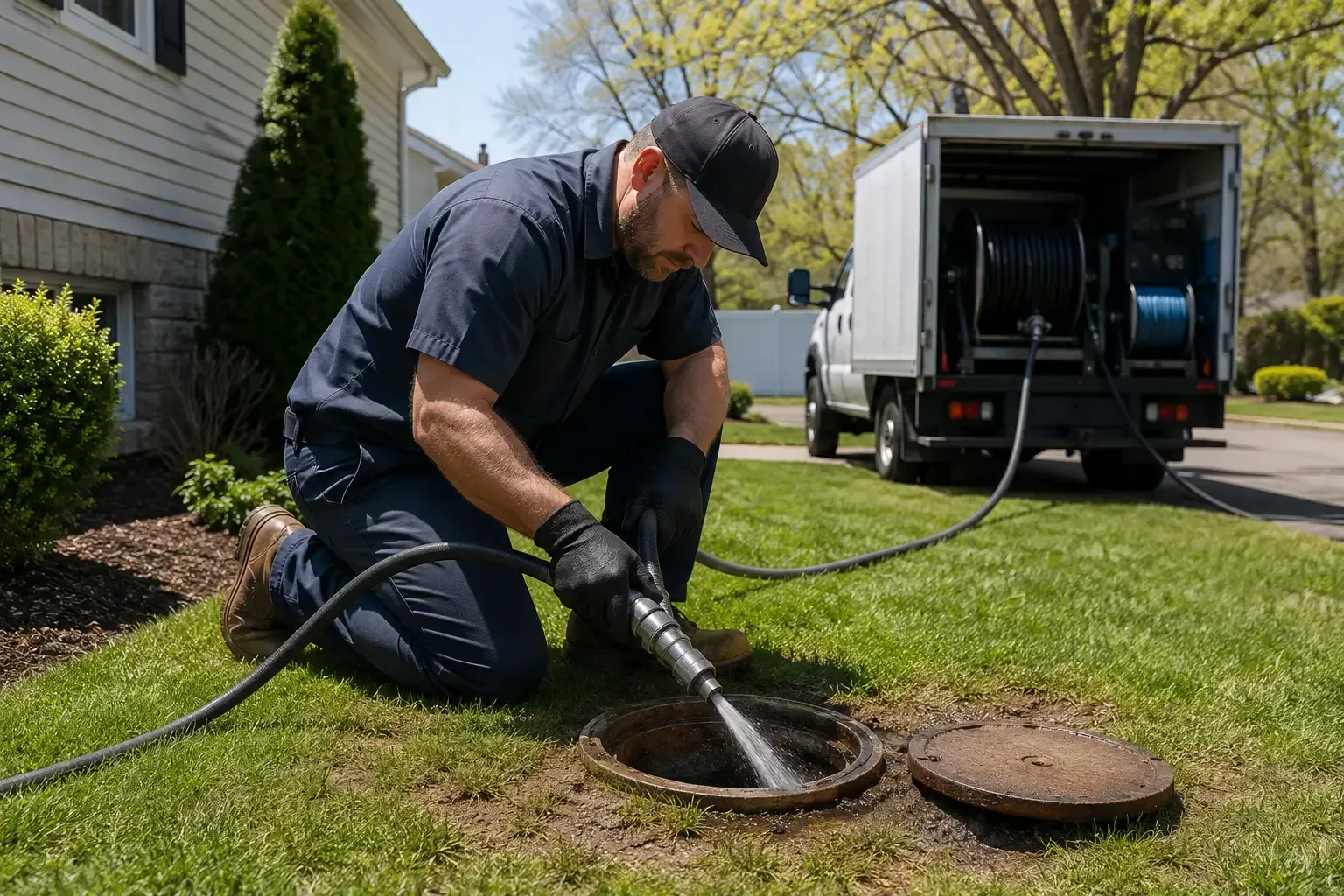
You need a sewer camera inspection. The camera shows whether the pipe is cracked, sagging, blocked, full of roots, or disconnected. Repair can range from a spot repair to full pipe replacement, depending on what the camera shows.
Why it is common in Suffolk County:
Many homes in Suffolk County were built decades ago. Cast iron laterals from that era are now aging out. Soil movement, roots, and years of wastewater flow all add stress. In older Brookhaven, Coram, Ridge, Selden, and Centereach homes, lateral failure is not rare.
When to Call a Professional vs. Try DIY
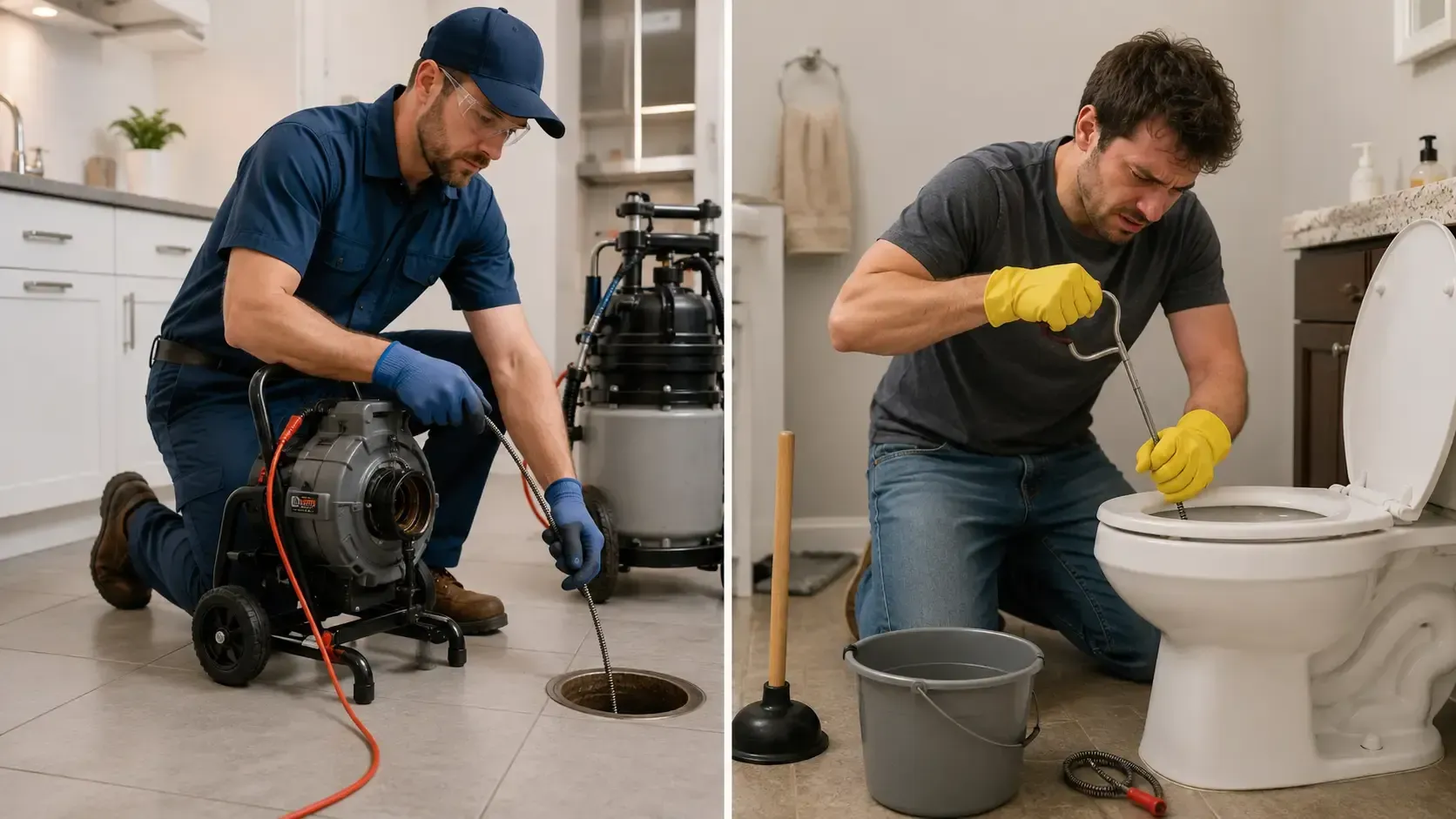
Use this table before you spend money. If the issue fits the left column, try the simple fix first. If it fits the right column, call a pro.
| Try DIY First | Call a Pro Immediately |
|---|---|
| Smell only near one floor drain | Smell throughout the whole basement\ |
| You have not poured water down drains in months | You poured water and the smell did not go away in 24 hours |
| Smell appeared this week and is mild | Smell has been getting worse for weeks |
| Toilet feels solid with no leaks | Toilet rocks or has staining around the base |
| Drains flow normally | Multiple drains are slow or gurgling |
| Yard looks normal | Yard has a soft, soggy, or unusually green patch |
| No safety symptoms | You feel dizzy, nauseous, or get headaches in the basement |
Safety: Do Not Ignore This
Sewer gas can contain hydrogen sulfide and methane. The OSHA hydrogen sulfide overview says hydrogen sulfide is toxic, flammable, heavier than air, and can collect in low-lying or enclosed spaces. OSHA also lists nausea, eye tearing, headaches, sleep loss, dizziness, and more serious effects at increasing exposure levels. (OSHA)
If the smell is intense, if you feel symptoms, or if the odor came on suddenly and strongly, leave the basement. Open windows if you can do so safely. Do not light a match. Do not try to “test” the smell. Call 631-644-4939 for Colletti Sewer & Drain. For acute symptoms, call 911 first.
Same-day sewer smell diagnosis is available for many Suffolk County addresses. Colletti can inspect the drain system, check the cesspool side, and use sewer camera inspection when needed. You get upfront pricing before work starts.
Why Coram, Ridge & Suffolk Homeowners Call Colletti
Colletti Sewer & Drain serves Suffolk County homes with emergency backup service, new cesspool installation, cesspool pumping and cleaning, sewer line repair and replacement, drain and line inspections, and preventative maintenance. Colletti lists 24/7 emergency service, 10+ years of cesspool and sewer experience, and immediate service at 631-644-4939 on its website. (Colletti Sewer)
That matters for basement sewer smells because the source is not always inside the house. A plumber may check the trap, toilet, and vent. A cesspool company may check the underground system. Colletti handles sewer, drain, cesspool, and drywell diagnostics, which is the right mix for Suffolk County homes.
Colletti is based in the local Suffolk County market and serves Coram, Ridge, Medford, Middle Island, Selden, Centereach, Mt. Sinai, Miller Place, Patchogue, Brookhaven, Yaphank, and nearby Long Island towns.
If you have already poured water down the floor drains and the smell is still there, stop guessing.
Call Colletti Sewer & Drain at 631-644-4939 or request a free same-day inspection below. We will find the source and tell you what it costs to fix before any work starts.
Frequently Asked Questions
Why does my basement smell like sewage but only sometimes?
Sewer gas behavior changes with air pressure. Heavy rain can raise the water table and push gas back through drains. Dry winter air dries P-traps faster. Wind over the roof vent can also push odor back down the system.
Is sewer gas in the basement dangerous?
Yes. Low household levels can cause headaches, eye irritation, fatigue, and nausea. Higher levels of hydrogen sulfide can cause loss of consciousness, and methane is flammable. If the smell is intense or you feel symptoms, leave and call a professional.
Why does my basement smell like sewer when it rains?
Heavy rain can saturate the soil around your cesspool. When wastewater and gas have nowhere to go, pressure pushes odor back through the lowest drain in the house, usually a basement floor drain.
Can I fix the sewer smell in my basement myself?
Sometimes. Pour water down unused floor drains, check that the cleanout cap is tight, and confirm the basement toilet does not wobble. If the smell lasts more than 24 to 48 hours, call a pro with camera inspection tools.
Does a basement sewer smell mean my cesspool is failing?
Not always, but it can. If the odor comes with slow drains throughout the house, gurgling toilets, soft yard areas, or a smell that gets worse after rain, your cesspool likely needs pumping or inspection.
How much does it cost to diagnose a basement sewer smell?
Many Suffolk County diagnostic visits fall in the $150 to $350 range, depending on scope and urgency. Sewer camera inspection can cost more. Colletti gives upfront pricing before work starts.
Why does my basement smell like rotten eggs specifically?
The rotten-egg smell is usually hydrogen sulfide, a gas produced when waste breaks down without oxygen. It can come from sewer gas, cesspool gas, a drain trap, or in rare cases a water heater issue.
Do I need a plumber or a cesspool company for this?
In Suffolk County, you often need both skill sets. Plumbers handle traps, toilets, and vents. Cesspool specialists handle the underground system. Colletti Sewer & Drain handles sewer, drain, cesspool, and drywell issues in one visit.
Get Same-Day Help for a Sewer Smell in Your Basement
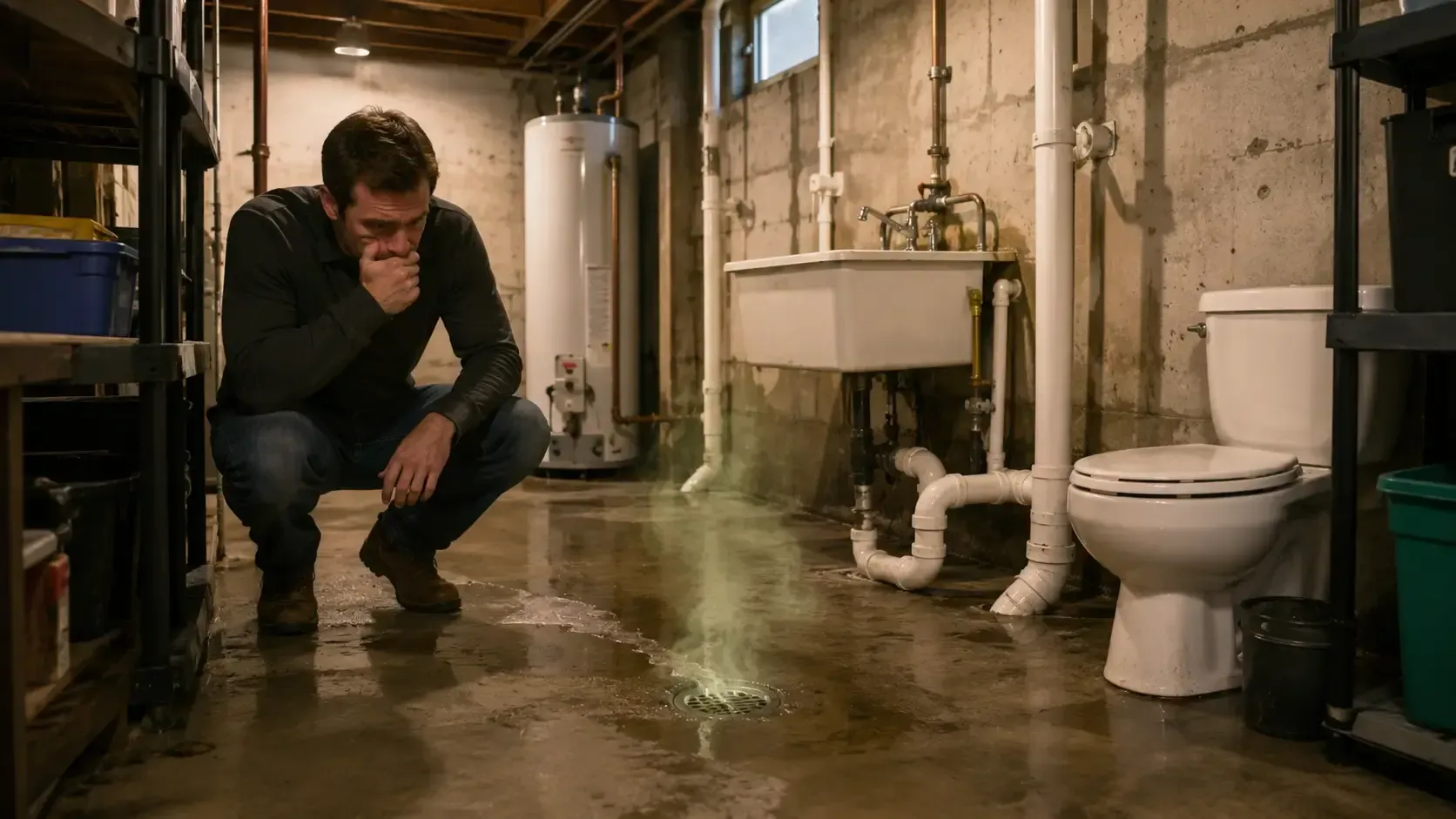
A basement sewer smell is not something to live with. Start with the safe checks: refill the floor drains, check the cleanout cap, and see if the basement toilet moves. If the smell stays, gets stronger, or shows up with slow drains, it is time to call.
Colletti Sewer & Drain helps homeowners in Coram, Ridge, Medford, Middle Island, Selden, Centereach, Mt. Sinai, Miller Place, Patchogue, Brookhaven, Yaphank, and surrounding Suffolk County towns find the source fast.
Call
631-644-4939 for 24/7 emergency service, or
request a free same-day inspection.