Cesspool vs. Septic System in Suffolk County, NY: What Homeowners Should Know
Last updated: 2026-07-15
Reviewed by: Bernie Colletti, Colletti Sewer & Drain
TL;DR
A cesspool is a single underground structure where wastewater settles while liquid gradually filters into the surrounding soil. A septic system separates solids inside a septic tank before treated wastewater flows into a drainfield or leaching pool for additional treatment. Both systems are still found across Suffolk County, but they serve different purposes and are subject to different installation and replacement requirements. We service both every day, so our advice starts with identifying what you already have instead of assuming replacement is necessary.
About 74 percent of Suffolk County remains unsewered and relies on onsite wastewater systems, making this an everyday concern for homeowners (Suffolk County Department of Health Services). Between Long Island's sandy soils, high groundwater, and sole source aquifer, choosing the right repair or replacement matters. If you need an inspection, maintenance, or honest advice, Colletti Sewer & Drain provides 24/7 Suffolk County service. Call 631-644-4939 for a clear price range before dispatch and an inspection before any final recommendation.
What is the difference between a cesspool and a septic system?
In brief: A cesspool is a single underground leaching structure that both stores and disperses wastewater into the surrounding soil, while a septic system separates solids inside a septic tank before sending partially treated wastewater into a drainfield or leaching pool. The extra treatment step is the biggest difference, and it affects maintenance, performance, and replacement requirements.
Many Suffolk County homeowners use the words cesspool and septic interchangeably, but they are different systems.
How a cesspool works
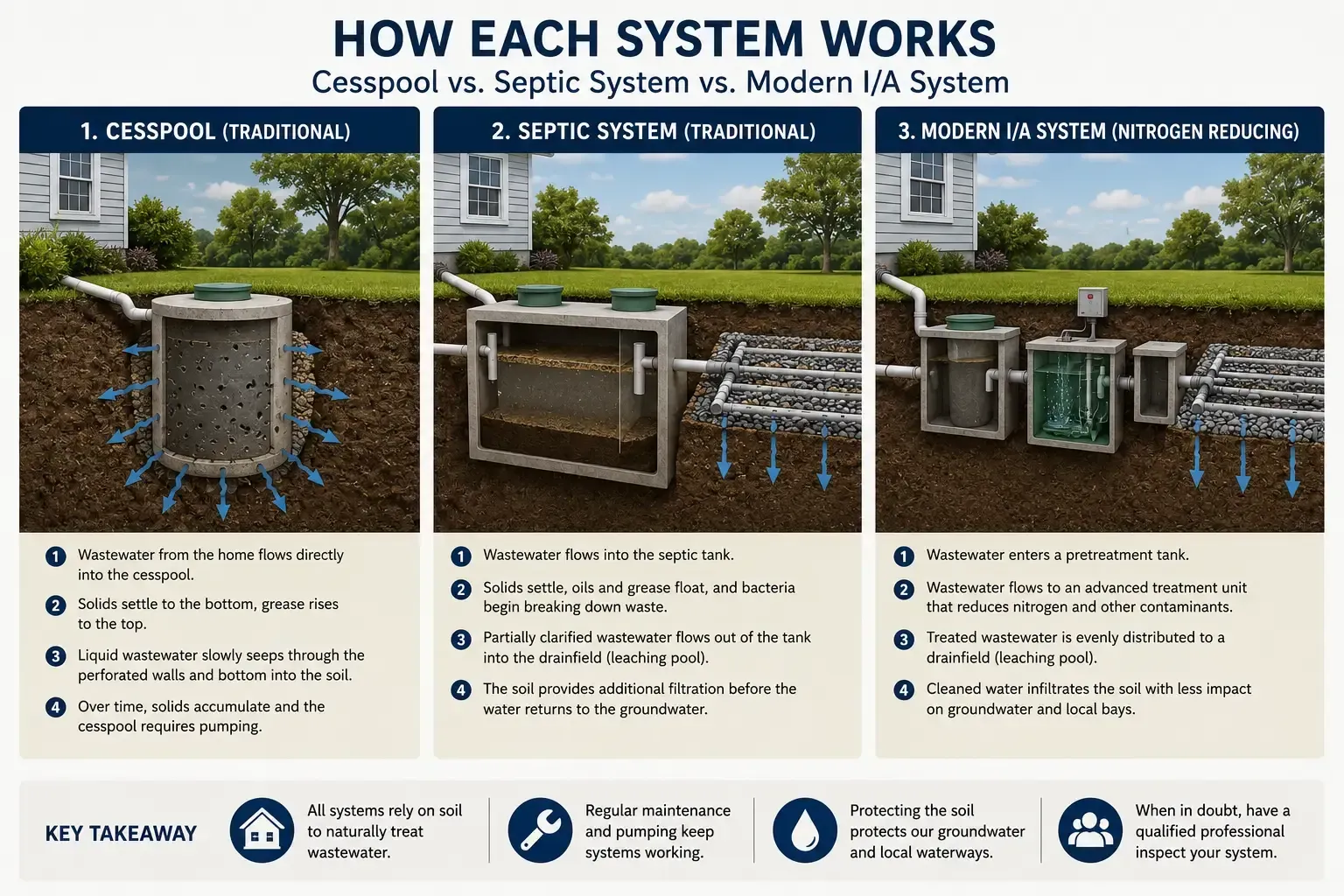
A traditional cesspool is essentially a covered underground pit with perforated walls or an open bottom. Wastewater from the home flows directly into the structure.
Inside the cesspool:
- Solids settle over time.
- Grease and lighter materials float toward the top.
- Liquid wastewater slowly seeps into the surrounding soil.
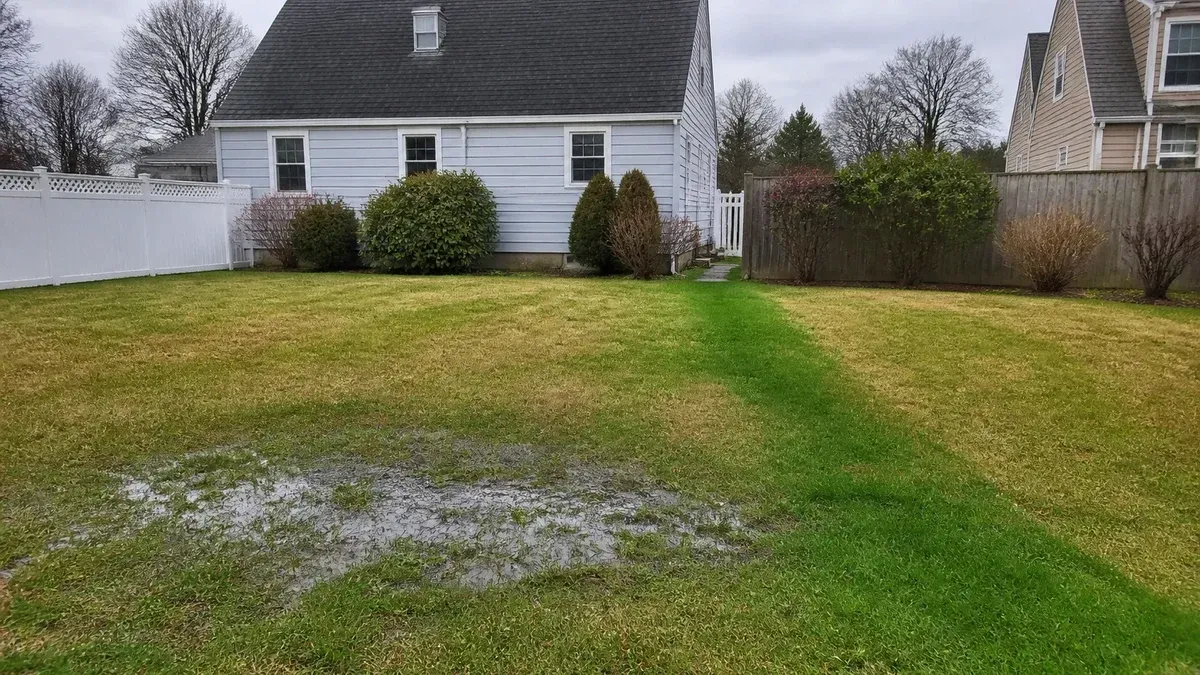
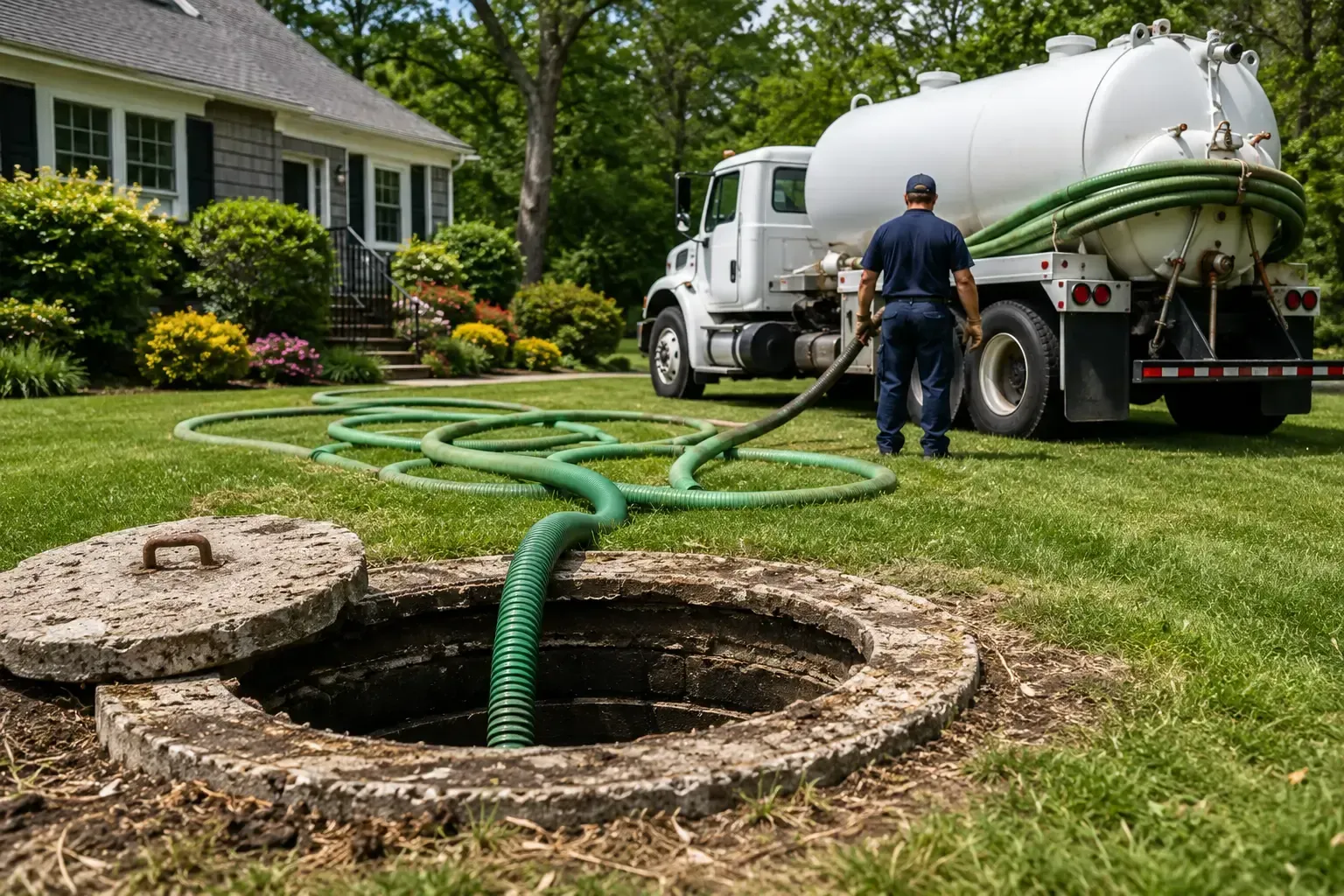
Eventually, solids build up enough that the system requires pumping or other maintenance. If the surrounding soil becomes saturated or clogged, wastewater may begin backing up into the home.
Many older Long Island neighborhoods still contain original cesspools installed decades ago, especially in communities such as Babylon, Islip, Huntington, Brookhaven, Smithtown, Riverhead, Southampton, Southold, East Hampton, and Shelter Island.
How a septic system works
A septic system adds an important treatment step before wastewater reaches the soil.
Instead of flowing directly into a leaching structure, wastewater first enters a septic tank, where:
- Heavy solids settle to the bottom.
- Oils and grease float to the surface.
- Naturally occurring bacteria begin breaking down organic waste.
- Partially clarified wastewater exits the tank.
That clarified wastewater then flows into a drainfield or, as most Long Island homeowners call it, a leaching pool.
The surrounding soil provides additional filtration before the water returns to the groundwater, following the basic treatment process described by the US Environmental Protection Agency (US EPA).
What is a leaching pool?
One point of confusion for Suffolk County homeowners is the term leaching pool.
Across much of the country, people talk about a septic system with a drainfield. On Long Island, many contractors and homeowners instead refer to leaching pools, which perform the same basic function of dispersing treated wastewater into the surrounding soil.
If someone says their home has "a septic with leaching pools," they are usually describing a septic tank connected to one or more underground leaching structures.
What about modern I/A systems?
Newer onsite wastewater systems often use Innovative/Alternative (I/A) technology.
These systems include additional treatment components that reduce nitrogen before wastewater enters the soil. Suffolk County has increasingly encouraged and, in many situations, required these systems during qualifying new installations and replacements to help protect Long Island's sole source aquifer and local waterways (Suffolk County Department of Health Services Office of Wastewater Management).
That does not mean every existing cesspool must immediately be replaced. The right recommendation depends on the property's existing system, its condition, and current County requirements.
"One of the biggest mistakes we see is homeowners assuming every backup means they need a completely new system. Many problems can only be diagnosed after a proper inspection. We explain what you have, what's causing the issue, and whether maintenance, repair, or replacement actually makes sense."
Bernie Colletti, Owner, Colletti Sewer & Drain
Cesspool vs. septic vs. modern I/A systems: side by side
In brief: Cesspools, traditional septic systems, and modern I/A systems all manage household wastewater, but they do so with different levels of treatment. Older cesspools remain common throughout Suffolk County, traditional septic systems provide an additional treatment stage, and modern I/A systems are designed to reduce nitrogen while meeting today's environmental goals.
The table below summarizes the major differences homeowners should understand.
| Feature | Traditional Cesspool | Traditional Septic System | Modern I/A Nitrogen Reducing System |
|---|---|---|---|
| How it works | Single underground leaching structure receives wastewater directly | Septic tank separates solids before wastewater enters drainfield or leaching pool | Advanced treatment system removes additional nitrogen before dispersal |
| Wastewater treatmen | Limited natural soil treatment | Primary treatment in tank plus soil treatment | Multiple treatment stages with nitrogen reduction |
| Typical installation cost | Quoted per property | Quoted per property | Quoted per property |
| Typical lifespan | Depends on soil conditions, maintenance, and usage | Depends on maintenance and drainfield condition | Depends on maintenance schedule and manufacturer requirements |
| Maintenance | Periodic pumping and inspections | Periodic pumping plus tank inspection | Routine maintenance plus manufacturer service requirements |
| Property footprint | Generally smaller | Requires space for tank and drainfield/leaching pools | Varies by approved system design |
| Where commonly found | Older Long Island homes | Existing homes throughout Suffolk County | New construction and qualifying replacement projects where required by County rules |
| Suffolk County status | Existing systems remain common | Widely used | Increasingly required for many qualifying installations and replacements under County programs |
No single system is automatically "better" for every property.
Older homes across Suffolk County may continue operating successfully with properly maintained cesspools. Homes with traditional septic systems often benefit from the additional treatment provided by the septic tank. Modern I/A systems offer improved nitrogen reduction and are intended to better protect groundwater and nearby bays, which is why Suffolk County has expanded their use through its onsite wastewater management programs (Suffolk County Department of Health Services).
The most important first step is determining what system you already have before discussing repairs or replacement. At Colletti Sewer & Drain, we inspect the existing system first, explain its condition, and then recommend the most practical solution instead of automatically steering homeowners toward the most expensive option.
Cost, lifespan, and maintenance compared
In brief: Cesspools generally have the simplest design, while septic and modern I/A systems involve more components and maintenance. Actual ownership costs depend far more on soil conditions, household water use, and regular maintenance than on the system type alone. An inspection provides a far more accurate estimate than an online price.
Many homeowners ask one question first: Which system costs less?
The honest answer is that installation is only one part of the equation. Maintenance, pumping frequency, repairs, soil conditions, and local permitting all affect the total cost of ownership.
Typical comparison
| Category | Cesspool | Septic System | Modern I/A System |
|---|---|---|---|
| Initial installation | Quoted per property | Quoted per property | Quoted per property |
| Pumping interval | Usually every 2 to 5 years depending on household size and usage (US EPA guidance varies by system) | Typically every 3 to 5 years depending on tank size and occupancy (US EPA) | Manufacturer maintenance schedule plus pumping as required |
| Routine maintenance | Moderate | Moderate | Higher because mechanical components require periodic servicing |
| Repairs | Usually limited to the cesspool and connecting lines | Tank, piping, and drainfield may require repair | Additional treatment equipment may require servicing |
| Lifespan | Depends on installation quality, groundwater, maintenance, and soil conditions | Depends on tank condition, drainfield health, and maintenance | Depends on approved equipment and ongoing maintenance |
One mistake we frequently see is homeowners comparing only installation prices.
For example, an older cesspool may function reliably for many years with routine pumping, while a neglected septic system can experience expensive drainfield problems because maintenance was skipped. On the other hand, a properly maintained septic system often provides more consistent treatment over the long term.
Long Island's sandy soils generally allow wastewater to infiltrate efficiently, but high groundwater, stormwater intrusion, tree roots, grease buildup, and years of accumulated solids can shorten the life of any onsite wastewater system.
Maintenance matters more than age
The US EPA recommends regular inspections and pumping based on household size, tank capacity, and actual usage rather than waiting for backups or odors (US EPA).
Ignoring maintenance often leads to:
- Slow household drains
- Sewage odors outdoors
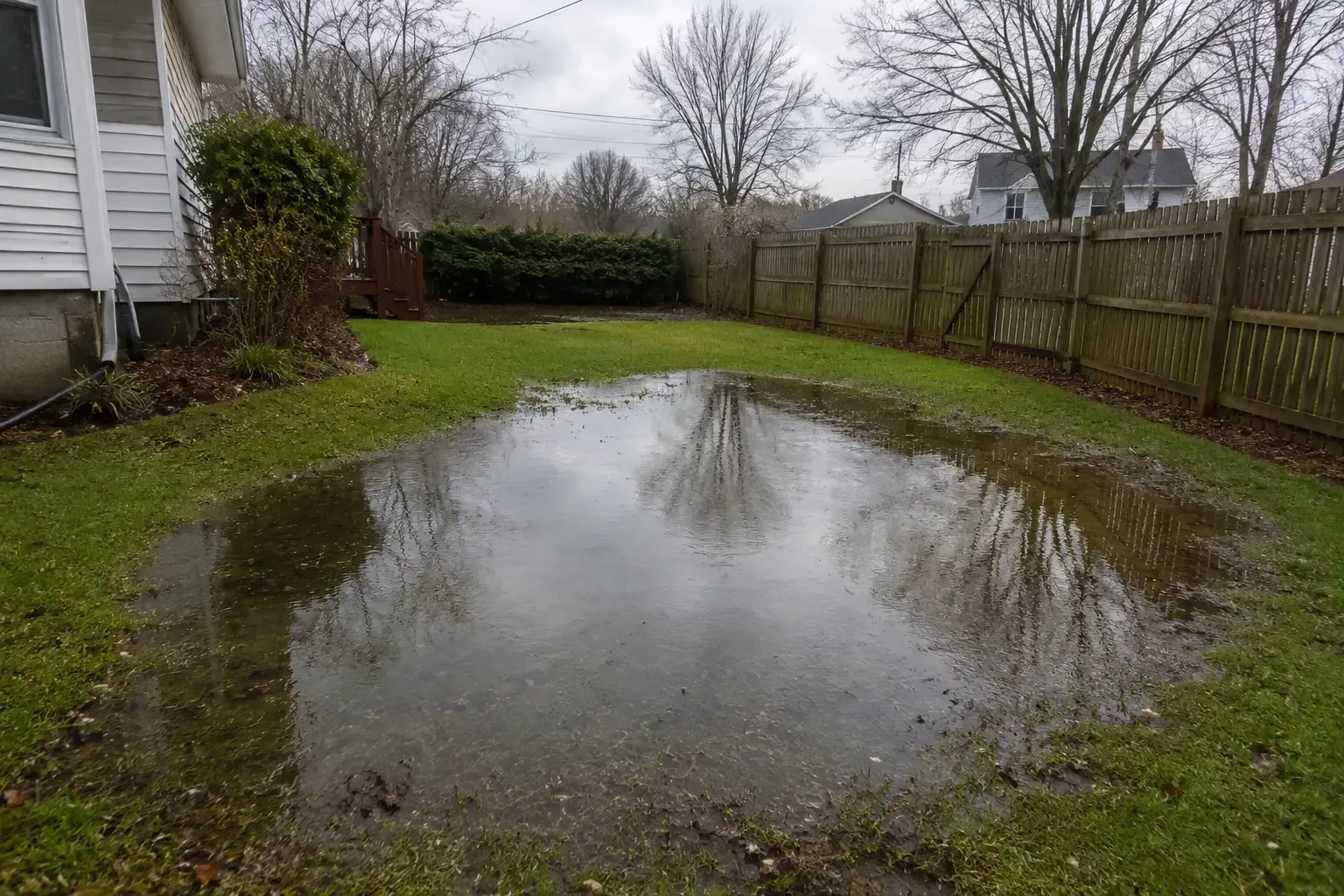
- Wet areas around the system
- Frequent backups
- Costlier repairs later
Whether you have a cesspool, septic tank, or modern I/A system, routine service almost always costs less than emergency repairs.
If you are budgeting for replacement, our guides covering new cesspool installation cost and cesspool pumping cost explain those topics in greater detail.
"Every system has a maintenance schedule. The homeowners who get the longest life out of their system are usually the ones who stay ahead of problems instead of waiting until wastewater backs up into the house."
Bernie Colletti, Owner, Colletti Sewer & Drain
Which system does your Suffolk County home have (and what if you need to replace it)?
In brief: Many homeowners do not know whether their property has a cesspool, a septic system, or a newer I/A system until a service visit. Identifying the existing system is the first step because replacement options depend on the property's current configuration, site conditions, and Suffolk County requirements.
If your home was built decades ago, especially before newer wastewater regulations were adopted, there is a good chance it still operates on an original cesspool or a traditional septic system.
Some clues include:
- Original construction records
- Previous inspection reports
- Real estate disclosures
- Pumping records
- Visible access covers in the yard
- A prior homeowner's maintenance paperwork
Unfortunately, many homeowners never receive this information when purchasing a property.
Our technicians regularly inspect homes where owners simply know they have "some kind of septic."
That is perfectly normal.
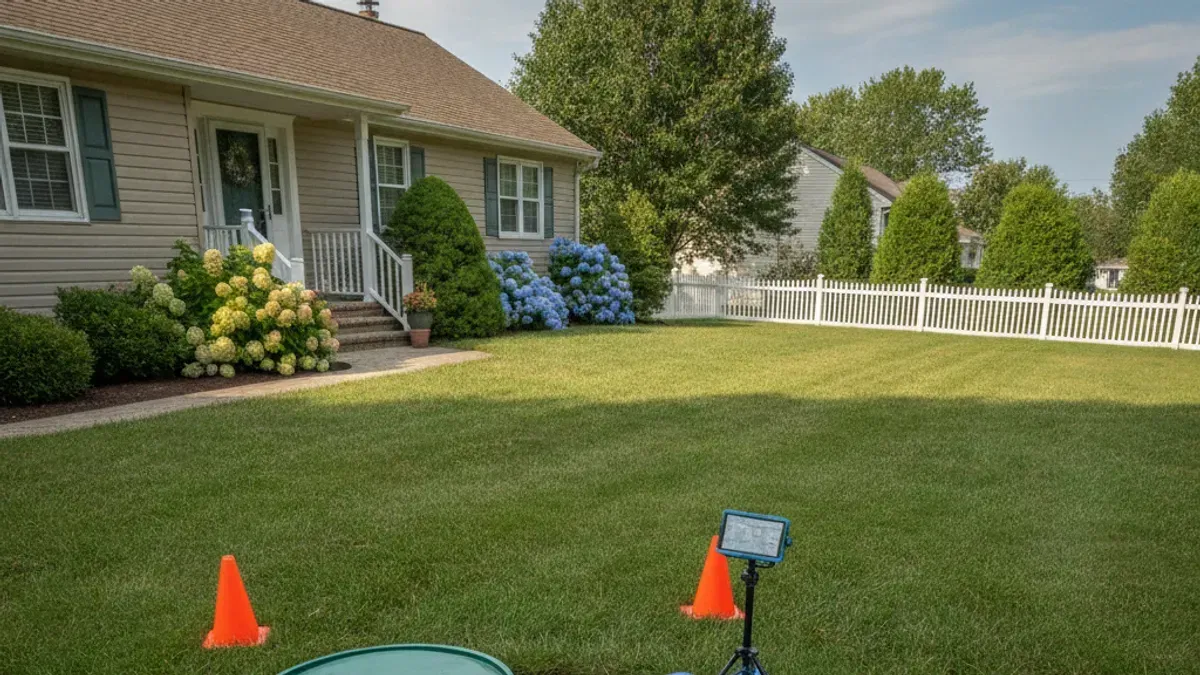
During an inspection, we identify:
- Whether the property has a cesspool, septic tank, or I/A system
- The overall condition
- Whether components are functioning correctly
- Signs of failure or excessive wear
- Whether maintenance may solve the issue
Replacement is not always like for like
One important Suffolk County reality surprises many homeowners.
If an older cesspool eventually reaches the end of its service life, replacing it with another traditional cesspool is not always an available option.
Depending on the project, property characteristics, and current County requirements, replacement may involve an approved onsite wastewater treatment system instead of simply rebuilding the existing configuration (Suffolk County Department of Health Services Office of Wastewater Management)
That is why we recommend evaluating the property before discussing replacement costs.
A quick online estimate cannot account for:
- Lot size
- Soil conditions
- Groundwater depth
- Existing system layout
- Current permitting requirements
Inspect first. Then decide.
That approach protects homeowners from unnecessary work and unexpected costs.
Suffolk County rules and permits homeowners should know
In brief: Routine pumping and maintenance generally do not require the same approvals as installing, replacing, or substantially modifying an onsite wastewater system. Major projects typically require review through the Suffolk County Department of Health Services Office of Wastewater Management, with additional state requirements applying in certain situations.
Suffolk County has some of the most closely watched onsite wastewater regulations in New York because Long Island relies on a sole source aquifer for drinking water.
Protecting groundwater is one reason wastewater system requirements have evolved over time.
Generally speaking:
Routine maintenance
Routine services commonly include:
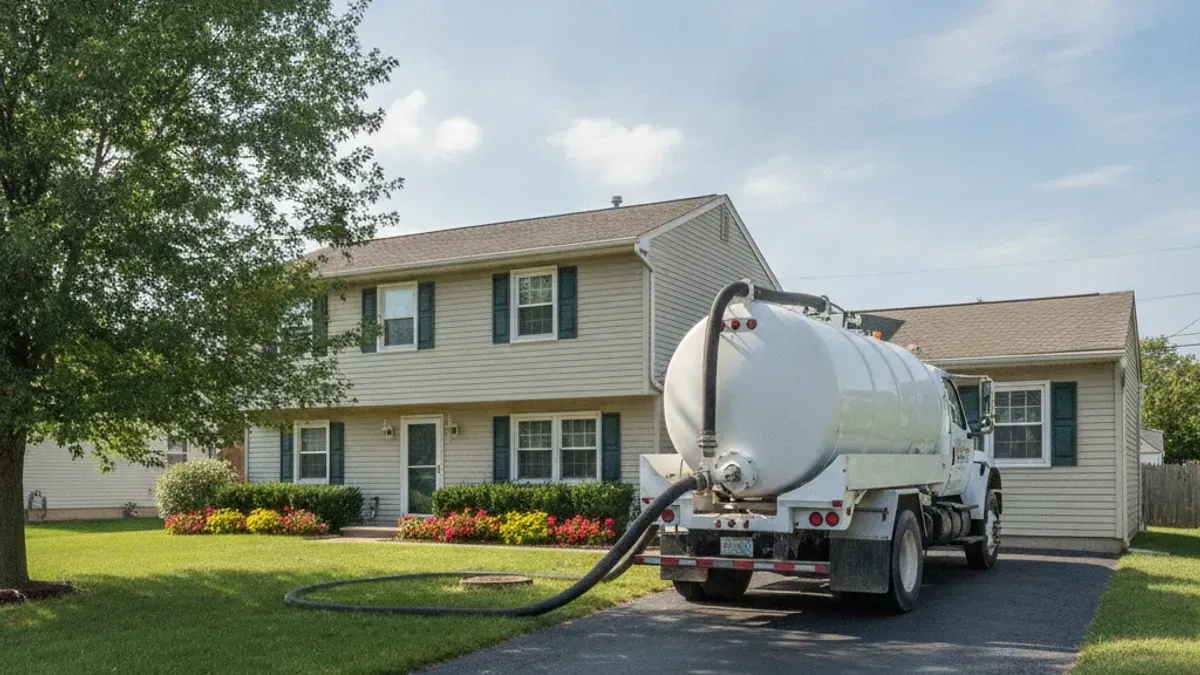
- Pumping
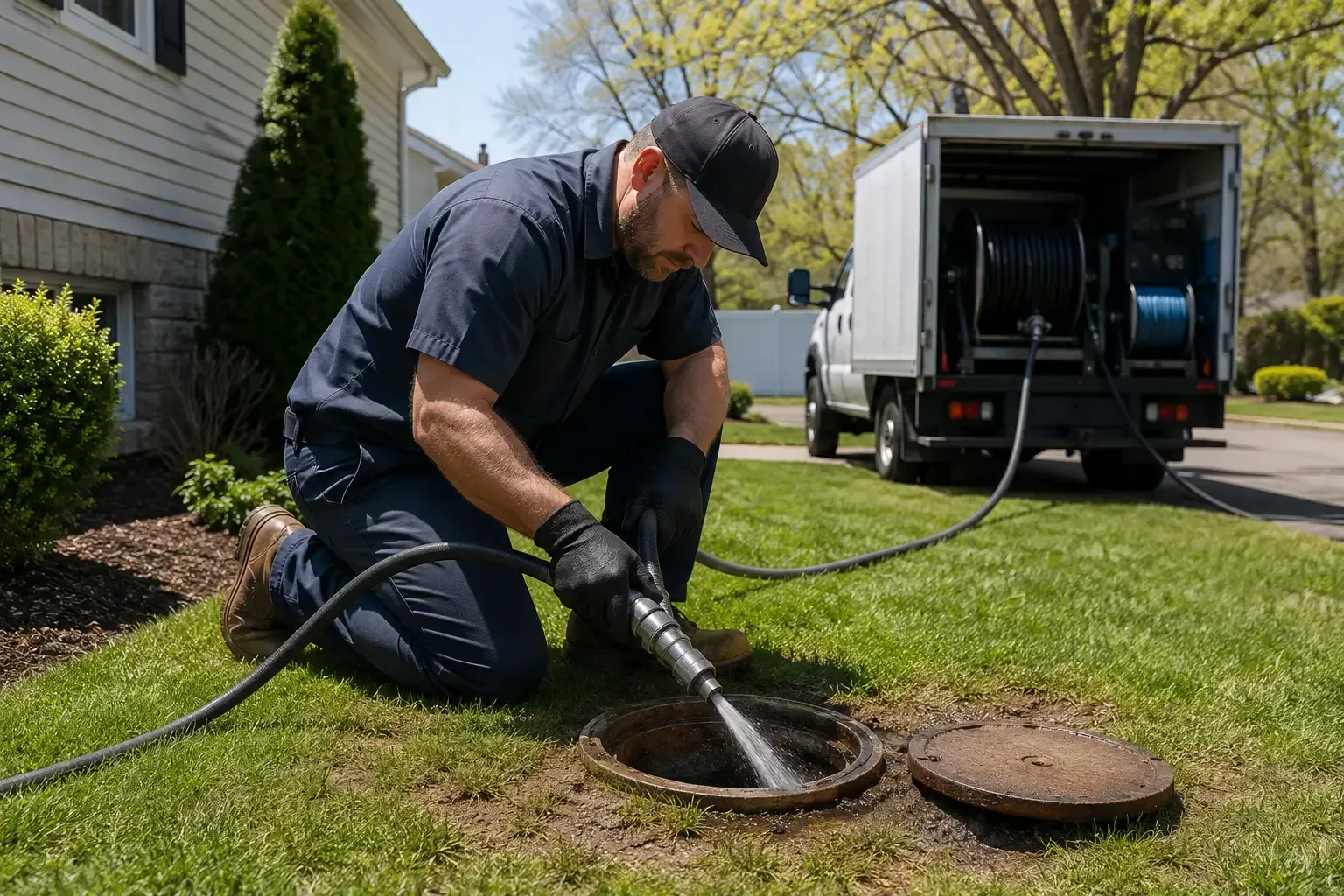
- Cleaning
- Inspections
- Diagnostic work
These services help extend the life of existing systems without changing their design.
Installation or replacement
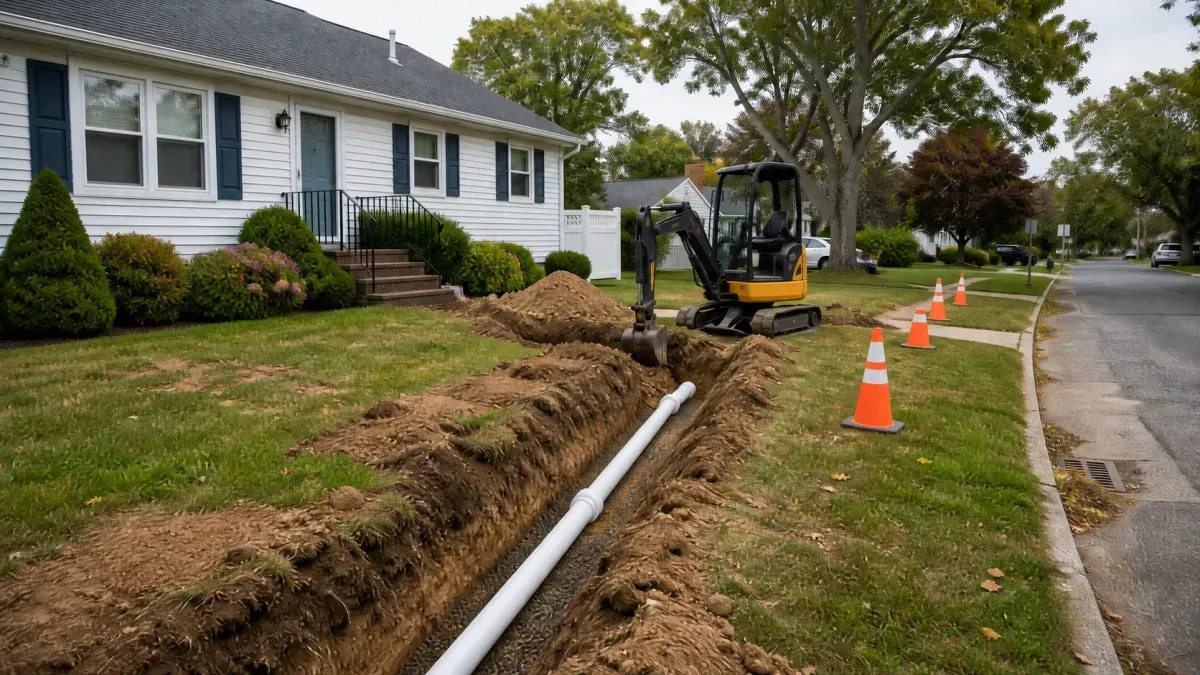
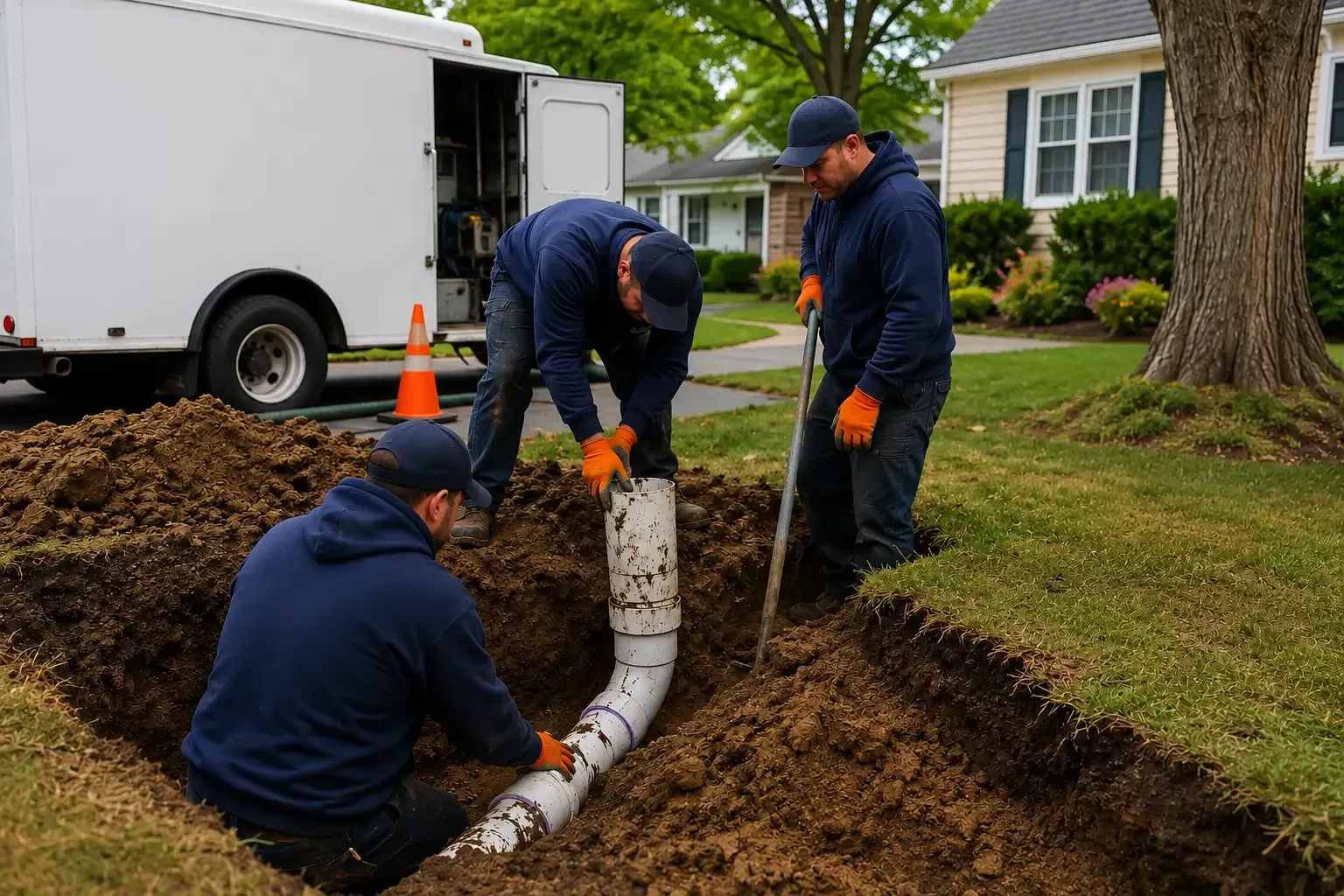
Installing a new onsite wastewater system, replacing a failed system, or making major modifications generally requires review and approval through the Suffolk County Department of Health Services Office of Wastewater Management.
Additional environmental regulations may also apply through the New York State Department of Environmental Conservation (NYS DEC) where applicable.
Current County programs have increasingly promoted and, in qualifying situations, required Innovative/Alternative (I/A) nitrogen reducing systems to help reduce nitrogen entering groundwater and nearby bays through the Reclaim Our Water initiative.
Don't rely on permit myths
We occasionally hear homeowners told:
- "No permit is ever required."
- "Every old cesspool can simply be rebuilt."
- "The County never checks."
Those statements are far too broad.
Requirements depend on the specific project, current regulations, and property conditions.
That is why we explain the permitting process before work begins rather than making assumptions.
How to choose an honest Suffolk County cesspool and septic company
In brief: The right contractor explains your options after inspecting the property instead of selling the most expensive solution over the phone. Experience with Suffolk County's older onsite systems, local permitting, and honest repair versus replacement recommendations matters just as much as equipment or pricing.
If you are comparing companies, ask a few simple questions.
Look for
- Local Suffolk County experience
- Clear communication before dispatch
- A realistic price range before scheduling
- An inspection before final pricing
- Experience servicing both cesspools and septic systems
- Familiarity with Suffolk County permitting
- Emergency availability when needed
- Repair recommendations before replacement whenever appropriate
Be cautious if a company
- Promises an exact replacement price without seeing the property
- Pushes full replacement before diagnosing the issue
- Says permits are never required
- Cannot explain the difference between a cesspool and a septic system
- Avoids discussing maintenance history
At Colletti Sewer & Drain, we work on older cesspools, traditional septic systems, and newer wastewater treatment systems throughout Babylon, Brookhaven, Huntington, Islip, Smithtown, Riverhead, Southampton, Southold, East Hampton, Shelter Island, and surrounding Suffolk County communities.
Our goal is straightforward:
- Identify the system.
- Diagnose the problem.
- Explain your options.
- Recommend the solution that actually fits the property.
That approach has helped Suffolk County homeowners make informed decisions instead of paying for unnecessary work.
Not sure what your home needs? Talk to Colletti
If you are unsure whether your property has a cesspool, septic system, or modern I/A system, start with a professional inspection instead of guessing.
At Colletti Sewer & Drain, we install, inspect, maintain, repair, and replace onsite wastewater systems throughout Suffolk County. We answer calls 24 hours a day, provide a clear price range before dispatch whenever possible, and inspect the system before recommending repairs or replacement.
Whether you are buying a home, selling a property, dealing with slow drains, planning a replacement, or simply want to understand what is in your yard, our team is here to help.
Call 631-644-4939 to schedule Suffolk County service or request an appointment for a professional onsite inspection.
Frequently asked questions
In brief: A cesspool and a septic system both handle household wastewater onsite, but their design, treatment level, maintenance needs, and replacement options differ. We answer the most common Suffolk County homeowner questions below, while recognizing that the final recommendation must account for the property, existing equipment, groundwater conditions, and current County requirements.
Is a cesspool or a septic system better for a Suffolk County home?
A properly designed septic system generally provides more treatment than a traditional cesspool, but the right answer depends on what is already installed, its condition, and what Suffolk County permits for the proposed work. We inspect the property before advising a homeowner to maintain, repair, or replace a system. Modern I/A systems add nitrogen reduction and may be appropriate or required for qualifying projects.
How long does a cesspool last vs. a septic system on Long Island?
There is no reliable single lifespan for either system because service life depends on construction, soil, groundwater, household use, pumping history, and whether solids have damaged the leaching area. We have seen older systems remain functional with proper care and newer systems develop problems after neglect. An onsite inspection is more useful than judging a cesspool or septic system by age alone.
Can I replace a cesspool with a septic or an I/A system in Suffolk County?
Yes, an existing cesspool can be replaced with an approved septic or Innovative/Alternative onsite wastewater treatment system, subject to property conditions and Suffolk County approval. Suffolk County maintains residential permitting standards and a list of approved I/A technologies. Its current Septic Improvement Program also offers qualifying homeowners financial assistance toward I/A installations. (Suffolk County Government)
Does Suffolk County still allow new cesspools?
Suffolk County eliminated conventional cesspools as an option for replacement installations under its 2017 amendment to Article 6, so homeowners should not assume a failed cesspool can be replaced in kind. New construction, replacement, and alteration requirements depend on the current sanitary code, approved system design, and property conditions. The Office of Wastewater Management should confirm the rules that apply to a specific project. (Suffolk County Government)
How often does each system need to be pumped?
A conventional septic tank is generally inspected every one to three years and pumped every three to five years, although household size, tank capacity, water use, and solids accumulation can change that schedule. Alternative systems with pumps, controls, or mechanical treatment components often need more frequent professional inspection. We determine cesspool service timing from actual usage, system condition, and inspection findings rather than using one interval for every property. (US EPA)
How do I tell whether I have a cesspool or a septic system?
The most dependable way to identify your system is to review County records, prior inspection or pumping reports, property plans, and the number and location of access covers, followed by a professional inspection. A single leaching structure may indicate a cesspool, while a separate tank connected to a leaching pool or drainfield indicates a septic system. We can locate and identify the components onsite.
Which costs more to install and maintain in Suffolk County?
A traditional cesspool has fewer components, while a septic or I/A system usually involves more equipment, design work, permitting, and ongoing service. Actual Suffolk County costs vary significantly by lot layout, groundwater, system capacity, access, engineering, and the approved replacement design. We provide a preliminary range before dispatch, inspect the site, and then explain the final scope rather than advertising a flat replacement price.
Not sure what your home needs? Talk to Colletti
In brief: The safest next step is to identify the system and diagnose its condition before discussing repair or replacement. Colletti Sewer & Drain provides 24/7 cesspool and septic service throughout Suffolk County, with a clear preliminary price range before dispatch, an onsite inspection, and practical guidance based on what the property actually needs.
A malfunctioning onsite wastewater system can affect groundwater and surface water, while saturated soil during heavy rain or flooding can prevent a system from operating correctly. That is why the CDC recommends regular inspection and proper maintenance rather than waiting for visible failure. (CDC)
We install, inspect, pump, service, and replace cesspools and septic systems across Babylon, Brookhaven, Huntington, Islip, Smithtown, Riverhead, Southampton, Southold, East Hampton, Shelter Island, and surrounding Suffolk County communities.
Call 631-644-4939 for 24/7 assistance, or use the contact form to request an appointment. We offer a free onsite inspection and will explain whether your system needs maintenance, repair, or replacement before you commit to major work.