Cesspool Inspection Before You Buy or Sell a Home in Suffolk County: The 2026 Real Estate Guide
Closing-Timeline Quick Reference
A cesspool inspection in Suffolk County usually costs $300 to $650, takes 1 to 2 hours on-site, and lender-ready documentation is typically turned around within 48 hours after the inspection. Most financed real estate transactions involving a home with a cesspool or septic system require some form of inspection or certification before closing. Cash buyers can skip it, but almost never should.
A standard real estate inspection can include a system location check, visual inspection, dye test, sewer camera inspection, and written report for the buyer, seller, agent, attorney, or lender.
If the system fails, there are four paths forward: repair, replace, renegotiate, or walk away. Colletti Sewer & Drain provides 48-hour turnaround for buyer, seller, and agent inspections across Suffolk County. Call 631-644-4939 or book below.
Why Cesspool Inspections Matter More on Long Island Than Anywhere Else
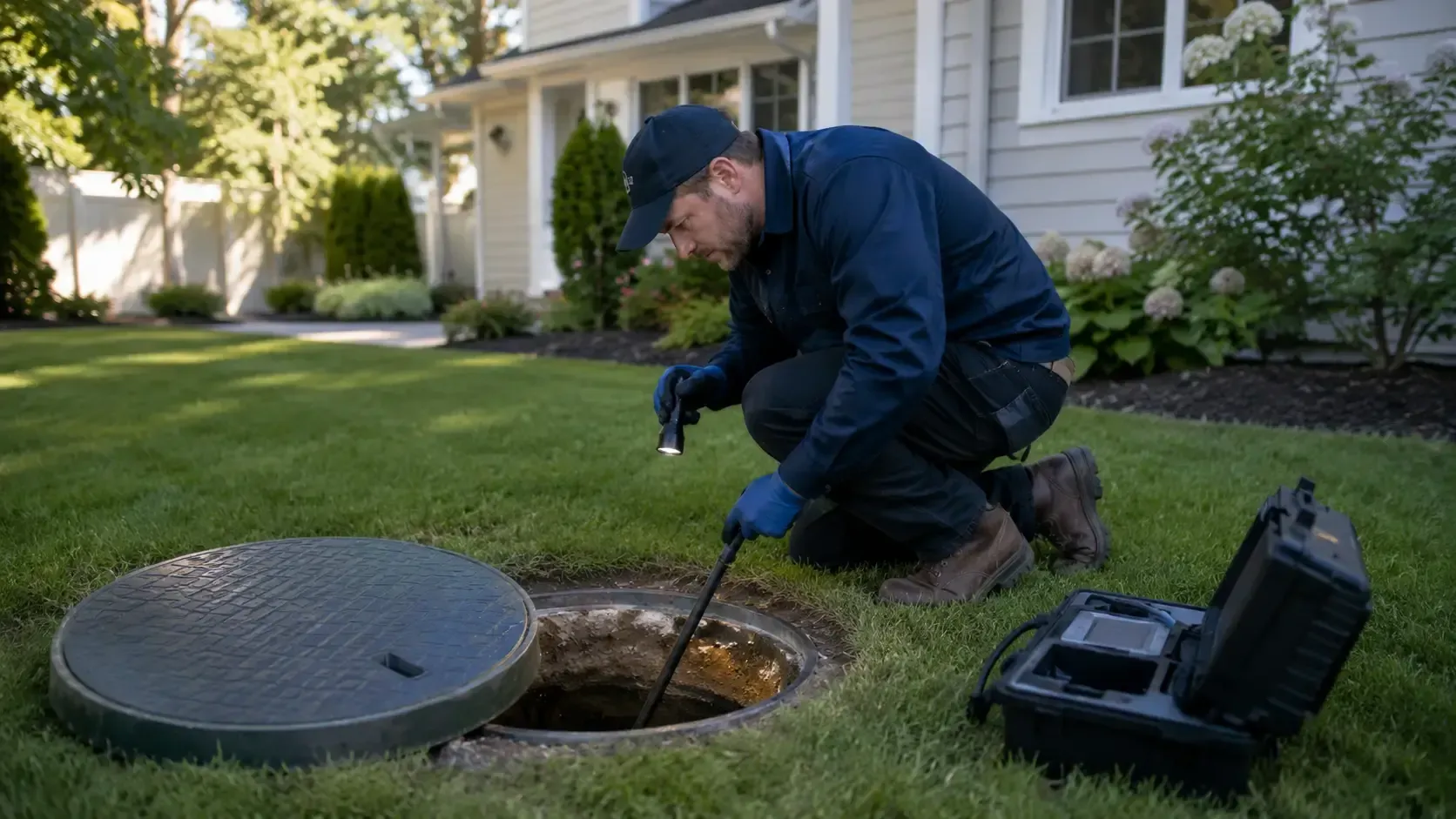
Suffolk County is not like most real estate markets. Nearly 70% of Suffolk County homes use cesspools or septic systems, and the county says those systems are a major source of nitrogen pollution affecting drinking water, rivers, bays, and estuaries. That makes a cesspool inspection in Suffolk County one of the highest-stakes items in a Long Island home transaction. (Suffolk County Government)
A failed inspection can delay closing, reopen negotiation, create a lender issue, or shift thousands of dollars in unexpected repair or replacement costs. The timing matters because Suffolk County’s Office of Wastewater Management says permits and review help ensure sewage disposal systems are safe, properly designed, properly maintained, and protective of groundwater and surface waters. (Suffolk County Government)
There is also an Article 6 issue. Suffolk County Sanitary Code Article 6 defines an OWTS replacement as abandoning or removing an existing cesspool or individual sewerage system and installing a new individual sewerage system. Article 6 also requires Department approval for OWTS replacement or retrofit work after July 1, 2019. (Suffolk County Government)
This guide explains what a real estate cesspool inspection includes, what it costs, what fails, and what happens next. It is written for buyers, sellers, and real estate agents working in Coram, Ridge, Medford, Selden, Centereach, Patchogue, Port Jefferson, Stony Brook, Smithtown, Hauppauge, Brookhaven, Bohemia, Riverhead, and surrounding Suffolk County towns.
Who Needs a Cesspool Inspection in a Suffolk County Real Estate Transaction?
If You’re Buying a Home
If you are buying a Suffolk County home with a cesspool or septic system, schedule the inspection early. In most financed transactions, the lender, buyer’s attorney, or home inspection team will want proof that the system is functioning before the file moves toward closing.
Cash buyers can technically skip it. That is a bad gamble. Spending $300 to $650 before closing is small compared with discovering a failed cesspool after the seller is gone.
The best timing is within the first few days after contract signing or attorney review begins. That gives you time to inspect, review the report, ask for a credit, request repairs, or use your inspection contingency if the result is serious.
If You’re Selling a Home
You are not always required to inspect before listing, but a pre-listing cesspool inspection puts you in control.
A seller who waits for the buyer’s inspector is letting the problem show up at the worst time. Once the buyer is under contract, a failed cesspool becomes a negotiation weapon. It can create a closing delay, price credit, escrow request, or cancellation.
A pre-sale inspection lets you fix small issues before showings, gather pumping records, and prove system maintenance. If the inspection is clean, it also gives your agent a stronger story when buyers ask about the cesspool.
If You’re a Real Estate Agent
Long Island agents already know the pattern. A buyer loves the house, inspection week starts, and the cesspool report suddenly threatens the deal.
A reliable cesspool inspector protects the transaction. You need fast scheduling, clear reporting, lender-ready documentation, direct communication, and repair options if something fails.
Colletti provides 48-hour turnaround for active Suffolk County transactions and works with buyers, sellers, agents, attorneys, and lenders. Realtor partnership details are covered below.
What Does a Suffolk County Cesspool Inspection Actually Include?
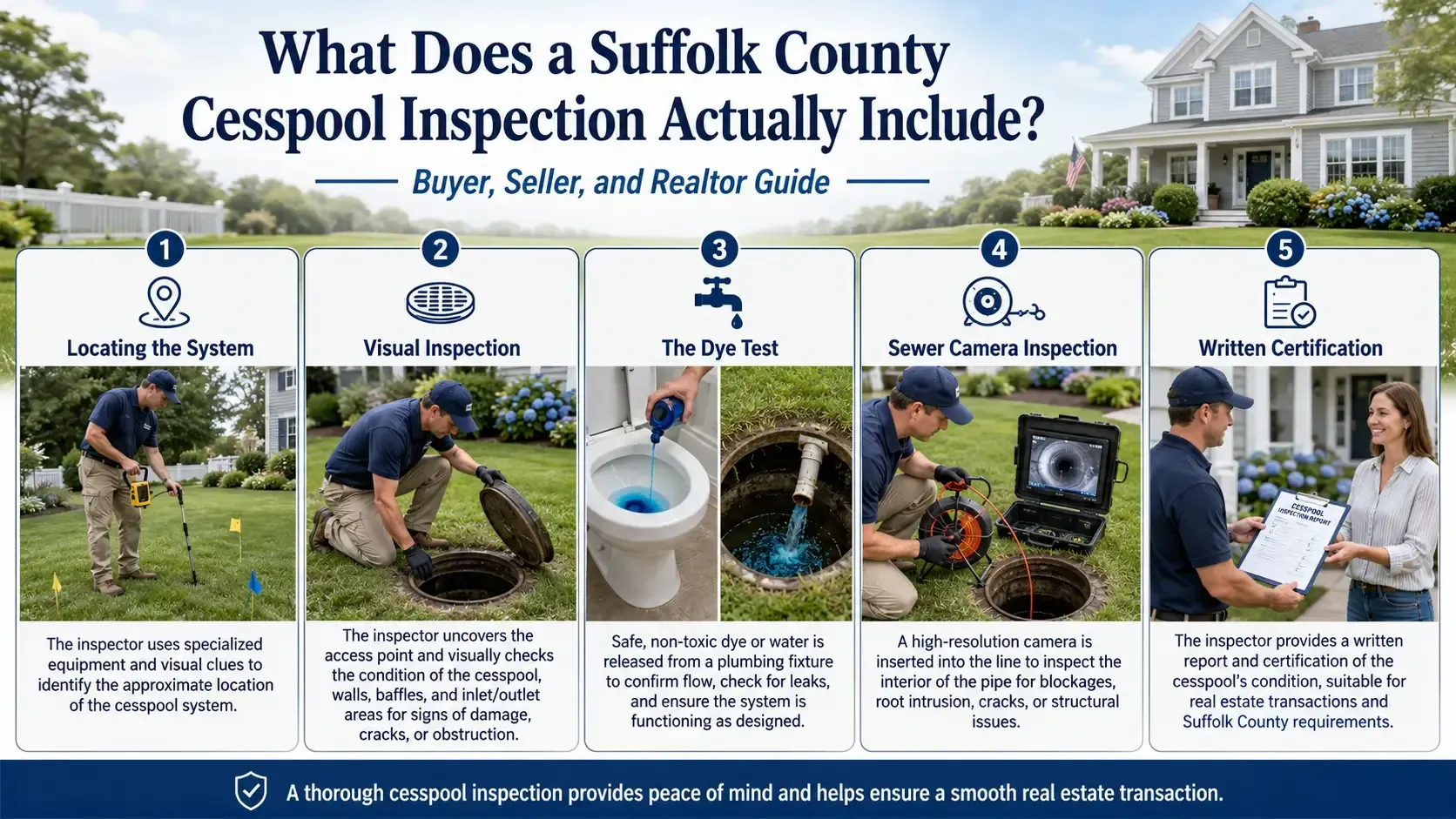
A good inspection is not just someone lifting a cover and glancing inside. For a cesspool inspection real estate Long Island transaction, the inspector should document what was checked, what was found, and what the result means for the deal.
Step 1: Locating the System
The inspector first finds the cesspool, septic tank, or related components. Older Suffolk County homes do not always have clean records showing where the system sits.
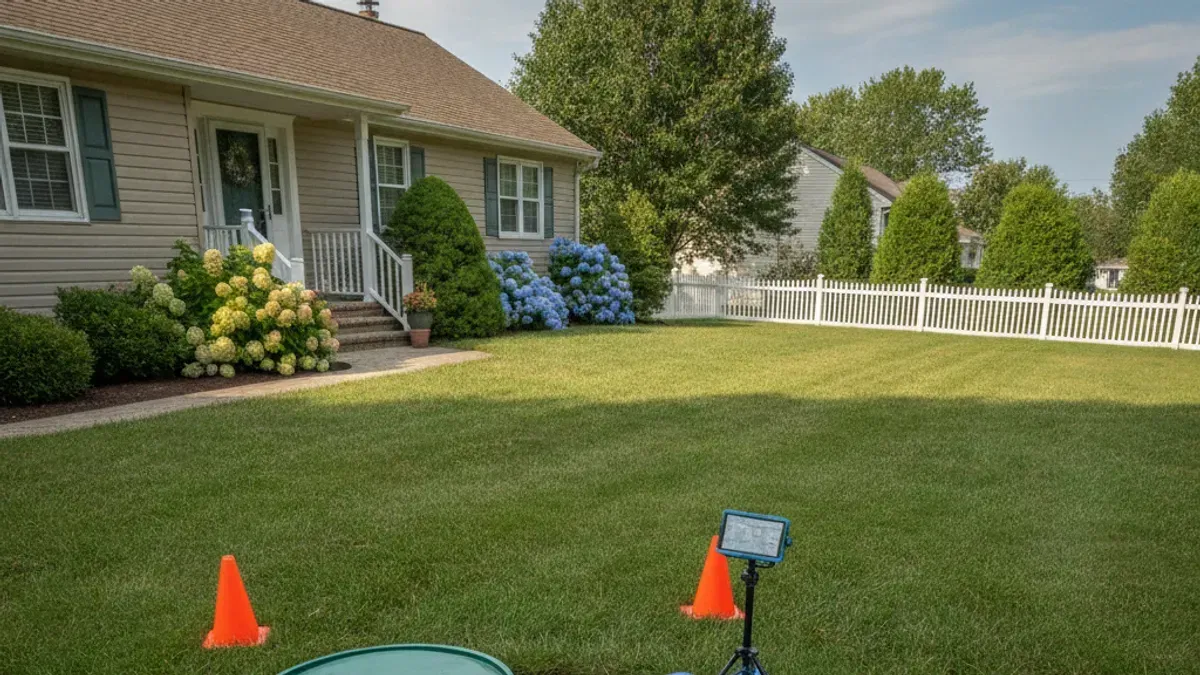
Many cesspools are 10 to 50 feet from the foundation, often in line with the main waste pipe leaving the house. The inspector may use property records, visual clues, cleanout location, probing, electronic locating equipment, or a camera/transmitter to find the system.
This step matters in older homes in Coram, Ridge, Selden, Centereach, Medford, and Patchogue, where system locations can be unclear.
Step 2: Visual Inspection
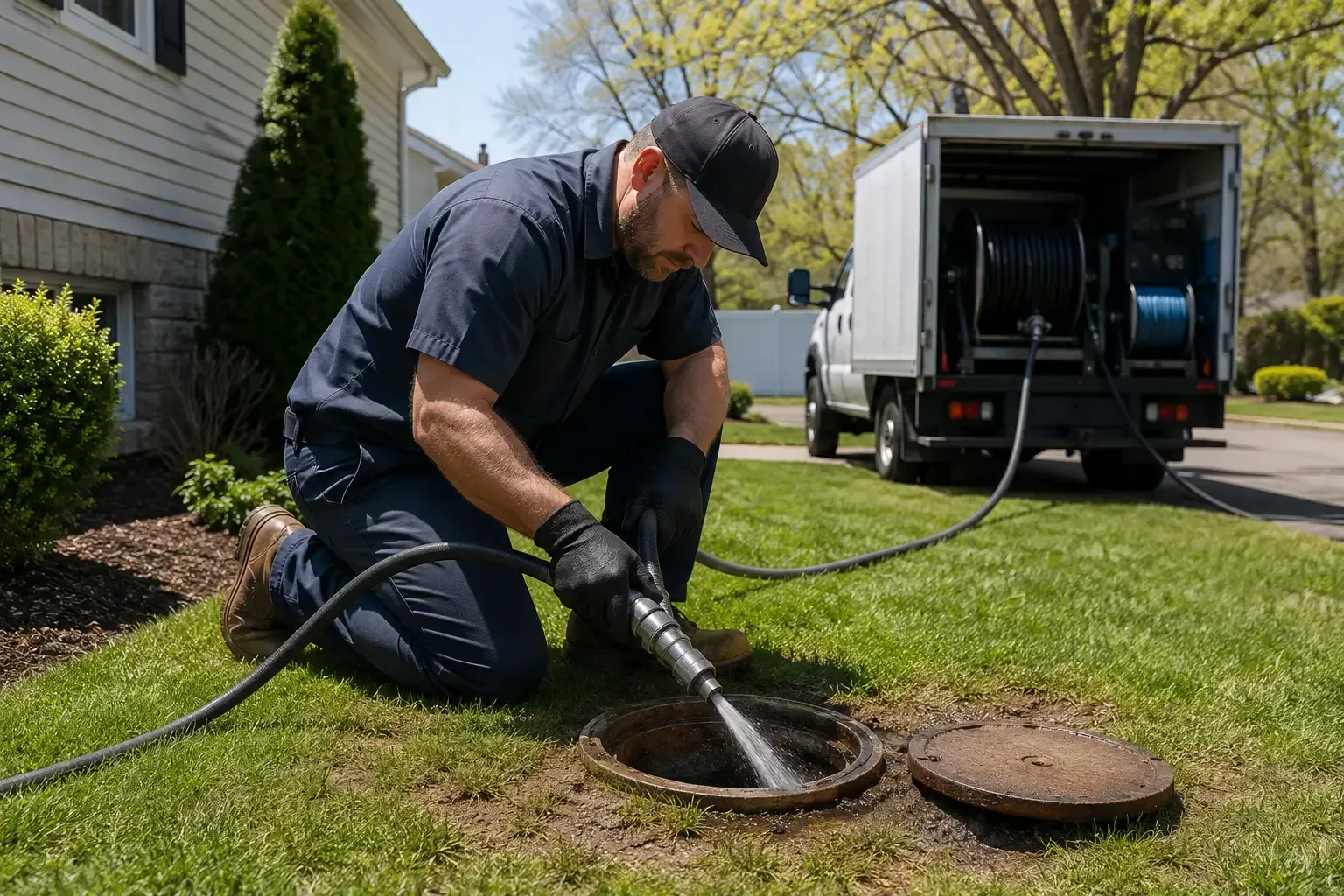
Once access is found, the inspector checks the visible parts of the cesspool, septic tank, cover, inlet, outlet, and surrounding area.
The inspector looks for cracked rings, settlement, root intrusion, baffle damage, high liquid level, active backup, collapsed components, and unsafe covers. Measurements may include sludge depth, scum depth, liquid level, distance to outlet, and signs of structural weakness.
This is where older stacked-block systems and concrete ring systems can raise concern. A system does not need to be actively overflowing to be a problem.
Step 3: The Dye Test
A dye test cesspool Long Island inspection uses non-toxic fluorescein dye. The inspector flushes dye through interior plumbing fixtures, then watches for dye to surface where it should not appear.
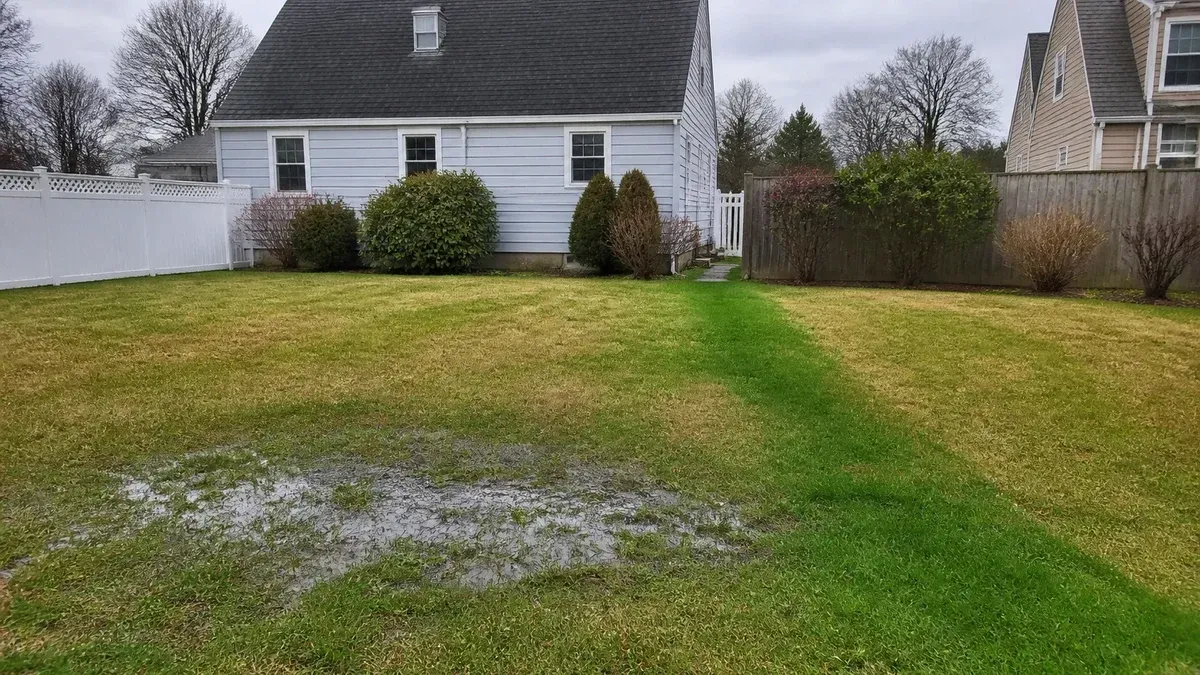
If dye shows up on the lawn, in a drainage area, in a nearby waterway, in a storm drain, or back through a fixture, the system is failing. The waste is not staying contained.
A clean dye test is useful, but it is not a full guarantee. It usually catches severe failures. It does not prove every underground pipe, joint, baffle, ring, or leaching area is perfect.
Step 4: Sewer Camera Inspection
A septic camera inspection Long Island report adds visual proof. A camera-tipped cable is sent through the sewer cleanout or main line to inspect the pipe between the house and the cesspool or septic system.
The footage can show roots, cracks, separated joints, sagging pipe, cast iron corrosion, crushed pipe, heavy sludge, or a blockage. For older homes, this is often the difference between guessing and knowing.
Camera footage is also useful in negotiation. Buyers, sellers, agents, attorneys, and lenders can see the issue instead of arguing over a vague inspection note.
Step 5: Written Certification
The inspector issues written documentation. A real estate-ready report should include the property inspected, date, system location, visible condition, test results, photos or video when available, and a pass, fail, or conditional finding.
Colletti’s standard turnaround is 48 hours from on-site inspection to lender-ready documentation, with rush options available when closing deadlines are tight.
What Does a Cesspool Inspection Cost in Suffolk County?
Here are realistic planning ranges for a
septic inspection before buying a house in Suffolk County:
| Service | Typical Cost | What’s Included |
|---|---|---|
| Basic cesspool inspection, visual plus dye test | $300 to $425 | Locate system, open cover, inspect visible condition, dye test, written certification |
| Inspection plus sewer camera scan | $450 to $650 | Basic inspection plus camera scan of the waste line |
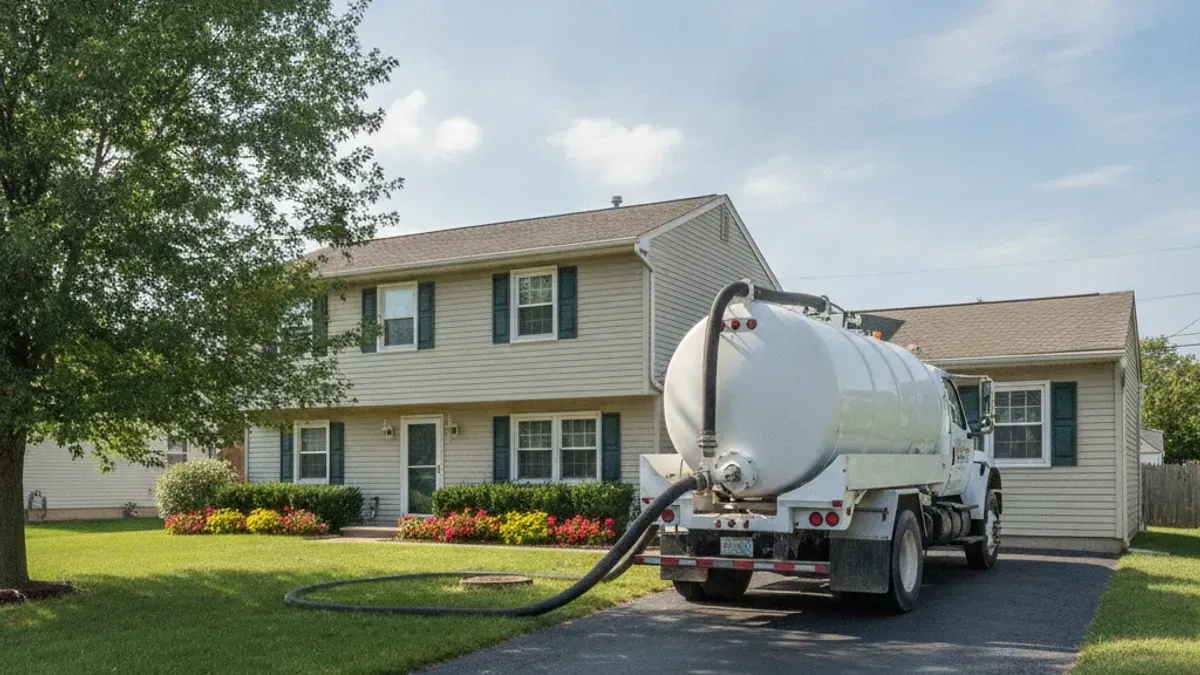
| Pumping during inspection | +$300 to $500 | Recommended when solids or liquid level block proper viewing |
| Septic tank inspection | $400 to $600 | Tank check, baffles, inlet/outlet, visible distribution components |
| Rush inspection, 24-hour turnaround | +$100 to $200 | Faster scheduling and faster documentation |
| Realtor-referred inspection | Standard rate, priority scheduling | Same pricing, priority slot for partner agents |
Who pays depends on the contract. In many Suffolk County transactions, the buyer pays as part of due diligence. Sellers often pay for a pre-listing inspection because it lets them fix issues on their own timeline.
Be careful with ultra-low inspection quotes. A $150 inspection may skip the camera scan, omit lender-ready documentation, or lead into a same-day repair pitch. The cheapest inspection is not always the cheapest outcome.
What Causes a Cesspool to Fail Inspection?
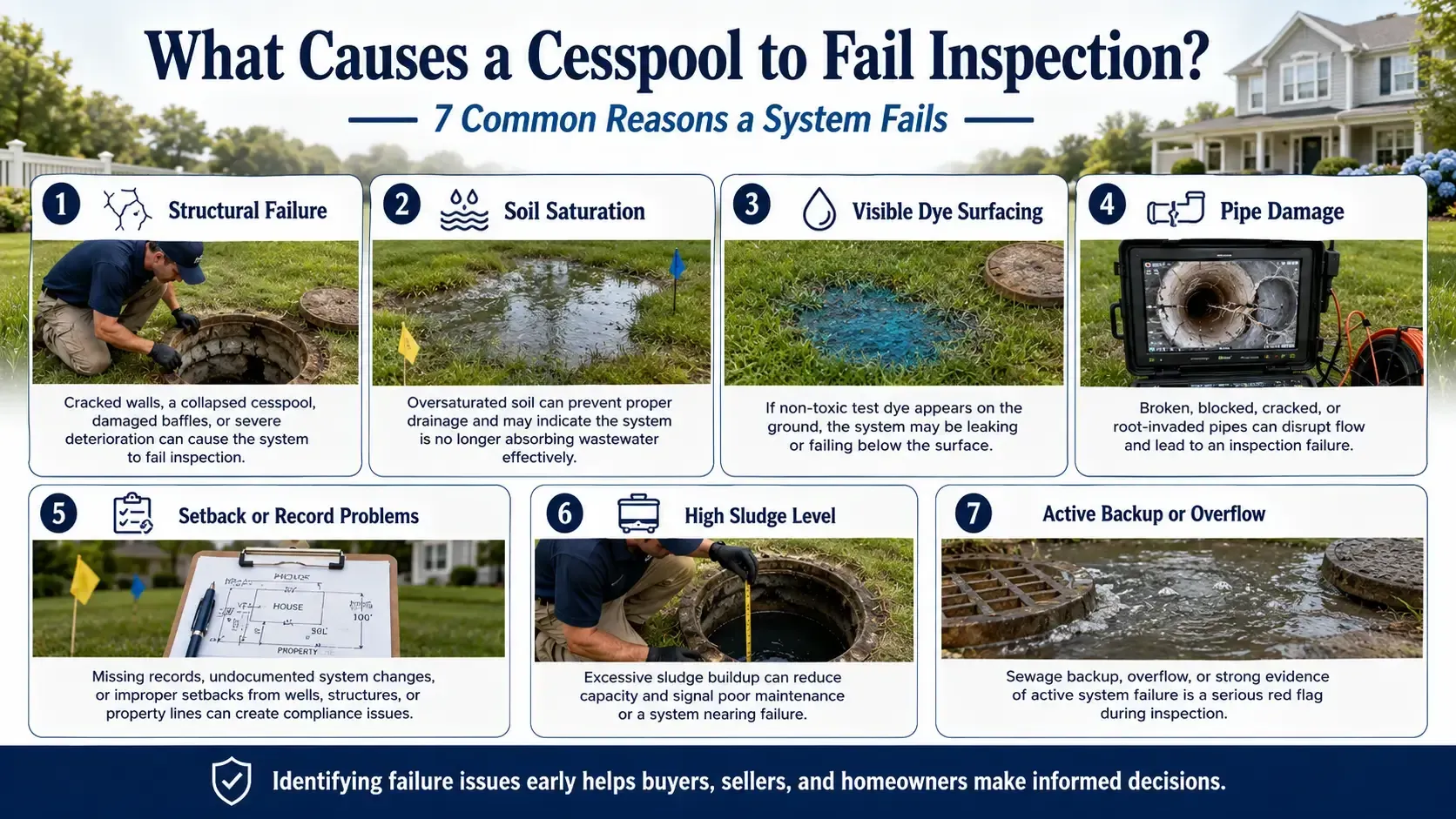
A failed septic system real estate inspection usually comes down to one of these issues.
1. Structural Failure
Concrete rings shift. Blocks deteriorate. Covers crack. Sidewalls collapse. Pre-1970 systems and older stacked-block cesspools are common failure risks across Suffolk County.
A structurally unsafe cesspool is a serious problem. It can become a repair, replacement, or safety issue during the transaction.
2. Soil Saturation
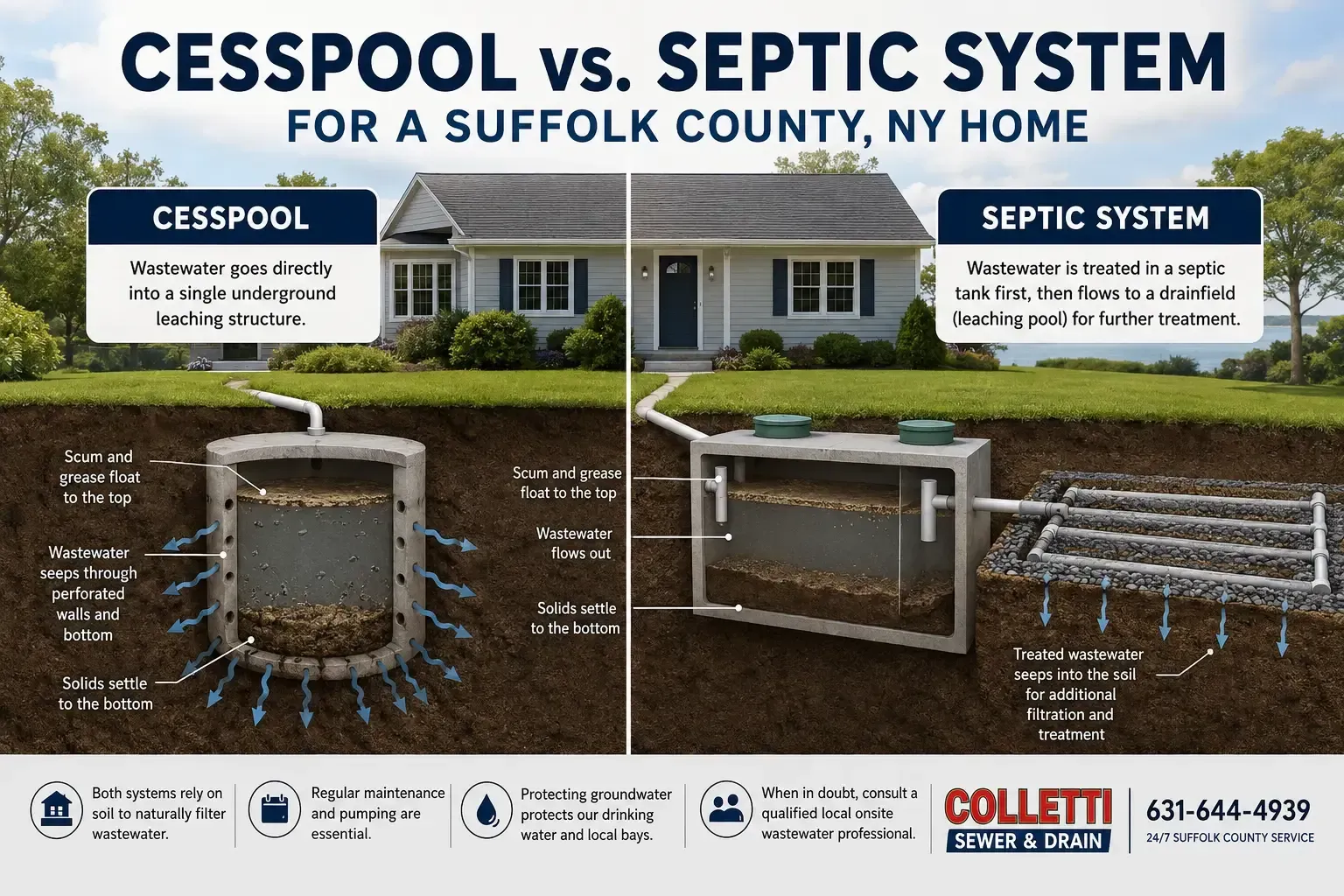
A cesspool depends on surrounding soil to absorb liquid. Over time, that soil can become clogged with biomat, grease, solids, and years of use.
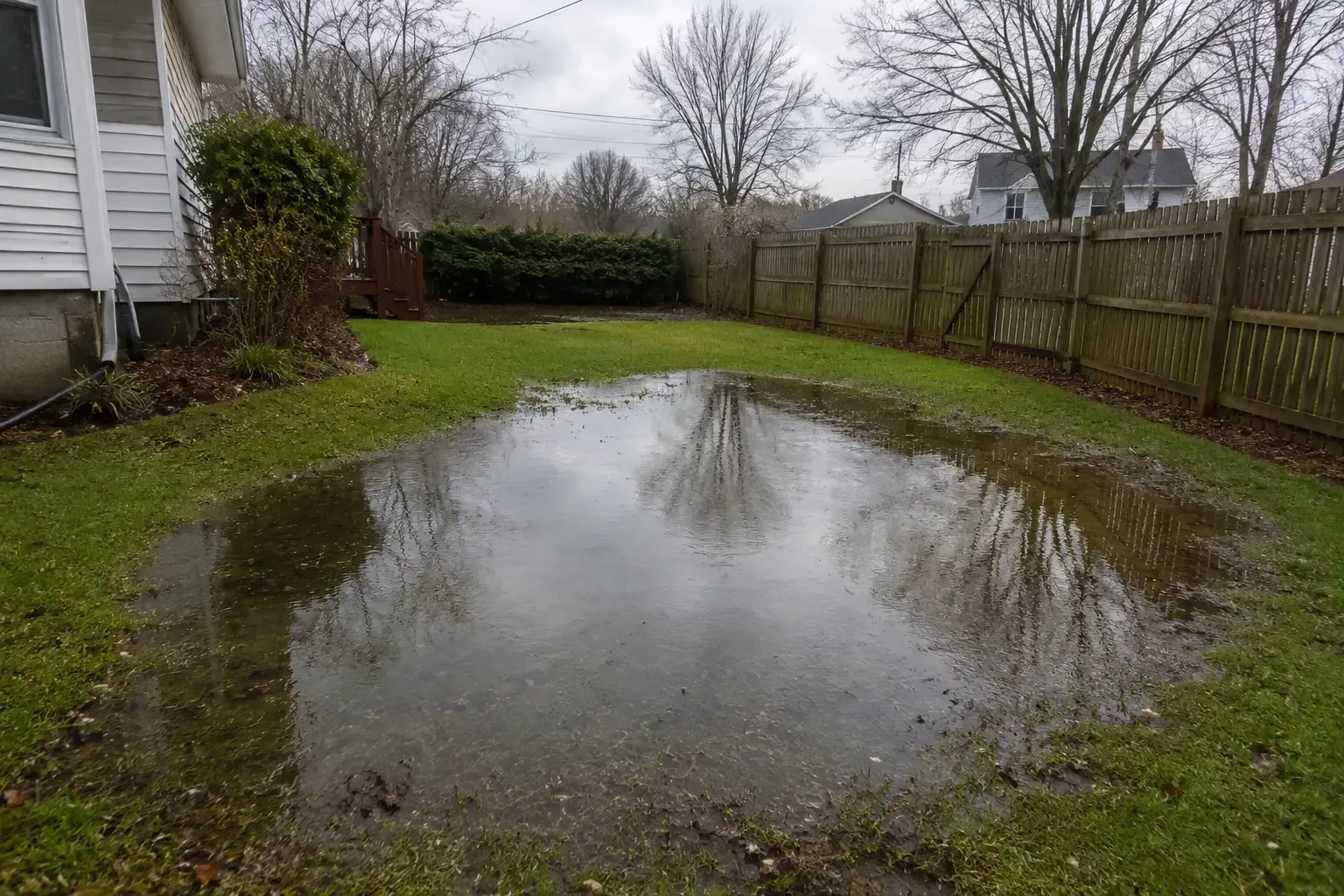
Signs include high liquid level, soggy ground, slow drainage, or wet spots above the system. This is common when a property has skipped pumping for years.
3. Visible Dye Surfacing
If dye appears on the lawn, near a brook, in a storm drain, or back through fixtures, the system is failing the containment test.
This is one of the clearest fail results because the evidence is visible.
4. Pipe Damage
The sewer lateral from the house to the cesspool can crack, separate, sag, collapse, or fill with roots. Older cast iron lines from the 1950s, 1960s, and 1970s are a recurring issue in Suffolk homes.
A sewer camera inspection confirms this. Without the camera, buyers and sellers may only see symptoms.
5. Setback or Record Problems
Older systems do not always match modern expectations for wells, water bodies, property lines, and structures. Suffolk County’s Office of Wastewater Management notes that Article 6 standards guide water supply and sewage disposal requirements for development and related approvals. (Suffolk County Government)
A records review can reveal issues that are not obvious from the lawn.
6. High Sludge Level
If solids fill too much of the system, the cesspool or septic tank may not be functioning properly. Sometimes this is corrected with pumping. Other times, high sludge points to years of deferred maintenance and deeper failure.
7. Active Backup or Overflow
If the inspector arrives and finds sewage backup, surfacing wastewater, or visible overflow, the system fails. The transaction then shifts from inspection to problem-solving.
Long Island reality check: Suffolk County’s older housing stock is reaching the natural end of many cesspool life cycles. Homes in Coram, Selden, Centereach, Medford, Ridge, Patchogue, and similar communities often have systems that have been working for decades. That history matters during a sale.
What Happens If Your Cesspool Fails Inspection? Your 4 Options
A failed inspection does not always kill the sale. It does force the buyer, seller, agents, and attorneys to choose a path.
Option 1: Seller Repairs Before Closing
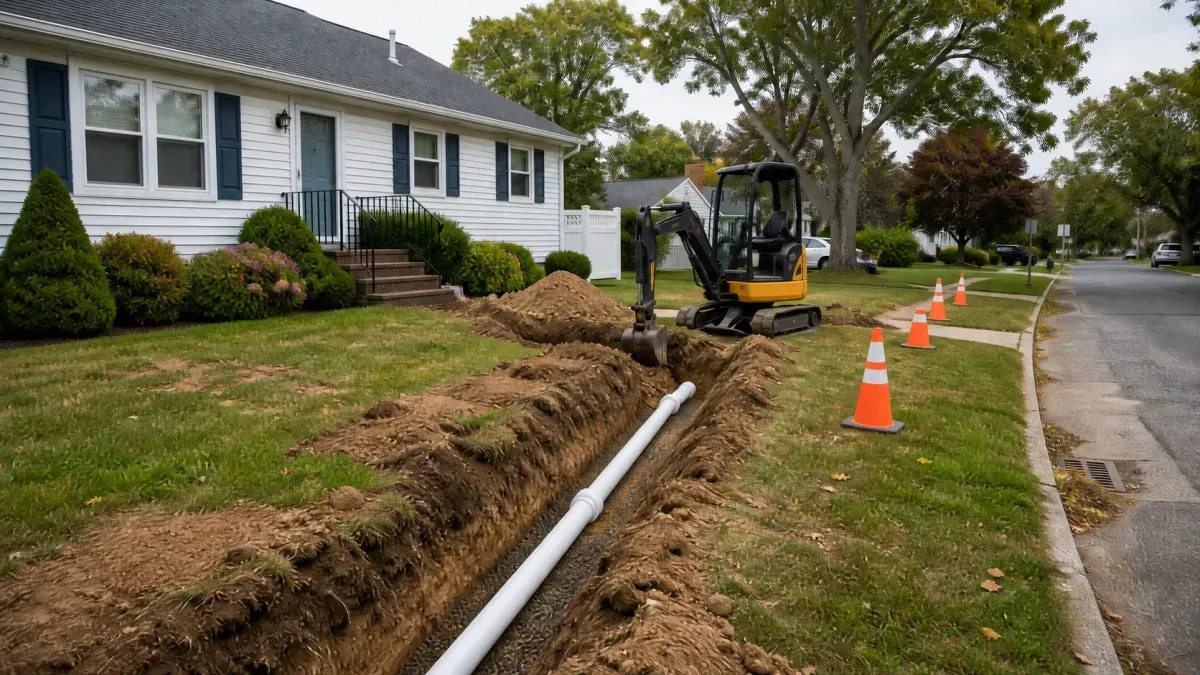
This is the cleanest path when the issue is minor. Examples include a loose cleanout cap, a repairable pipe issue, immediate pumping, baffle work, or localized line repair.
Small repairs may be completed in days. Larger repairs can delay closing by 1 to 3 weeks or more.
The bigger issue is full replacement. Article 6 says OWTS replacement or retrofit work on an existing cesspool or individual sewerage system requires Department approval, and replacement work must comply with current standards and state requirements where applicable. (Suffolk County Government)
That means a failed cesspool may not be a simple “swap it for the same thing” job. Depending on the property, use, location, and SCDHS review, the replacement path may require a modern compliant system.
Option 2: Price Credit at Closing
A seller credit can work when the buyer wants to close and handle the repair after ownership transfers.
This is common when the seller does not want to manage the project or when the buyer wants to choose the contractor. It can also preserve the closing date.
The catch is the lender. A lender may require escrow, a holdback, repair before funding, or additional documentation. The buyer’s attorney and lender must confirm what is acceptable.
Option 3: Suffolk County Septic Grant Pathway
If replacement is needed, the buyer may be able to explore the county and state grant pathway after closing.
Suffolk County says its County Septic Improvement Grant Program can provide installation grants up to $20,000 per property, and the New York State Septic System Replacement Program can provide installation grants or reimbursements up to 75% of eligible costs, capped at $25,000 per property. (Suffolk County Government)
This does not usually solve an immediate closing problem. Grants take time, and the project still needs approval. But it can change the long-term math for a buyer who wants the house and understands the system risk.
Read the full internal guide here: Suffolk County septic grant 2026, up to $30,000 toward I/A OWTS.
Option 4: Walk Away
If the inspection contingency is still active, the buyer may be able to cancel and recover earnest money, depending on contract language.
Walking away is not the usual first choice, but it can be the right move when the inspection finds structural collapse, major contamination risk, severe setback problems, well concerns, or a seller who refuses to negotiate.
This is why timing matters. If you inspect early, you keep options open.
Inspection Timing for a Suffolk County Transaction
| Stage | When | Action |
|---|---|---|
| Pre-listing, seller | 30 to 60 days before listing | Optional but smart. Inspect and pump early so you control the story. |
| Contract signed | Day 0 | Attorney review and inspection deadlines begin. |
| Schedule inspection | Day 1 to 3 | Book fast. Inspectors can be several days out in peak season. |
| Inspection performed | Day 3 to 7 | On-site inspection usually takes 1 to 2 hours |
| Written certification delivered | Within 48 hours | Report goes to buyer, seller, attorney, agent, or lender as requested. |
| Negotiation, if failure | Days 7 to 14 | Decide repair, credit, grant pathway, or cancellation. |
| Repair, if needed | 1 to 6 weeks | Depends on pumping, pipe work, structural repair, replacement, and approvals. |
| Closing | Original date or delayed | Closing proceeds when documentation is accepted. |
Spring and fall are busy on Long Island. March through June and September through November often bring tighter inspection schedules. In those windows, active transactions need priority booking.
Working With Colletti: For Realtors, Attorneys, and Loan Officers
Real estate professionals working in Suffolk County need a cesspool inspector who closes deals, not delays them.
Here is what working with Colletti looks like:
- 48-hour turnaround on standard inspections.
- 24-hour rush service available when schedule allows.
- Lender-ready documentation for the transaction file.
- Direct documentation to the buyer, seller, attorney, agent, or lender when requested.
- Priority scheduling during attorney review windows.
- Sewer camera inspection available with every inspection.
- Direct technician communication during the inspection.
- Repair, pumping, installation, and replacement support if the system fails.
- Familiarity with Suffolk County Article 6 replacement issues.
- Guidance on whether the Suffolk County septic grant pathway may be relevant.
For agents, the value is simple: fewer last-minute surprises. If your seller has an old cesspool in Coram, Ridge, Medford, Selden, Centereach, Patchogue, Port Jefferson, or Smithtown, a pre-listing inspection can prevent a mid-contract problem. If your buyer is under contract, a fast inspection protects the contingency window.
Colletti also offers a real estate agent partnership program for Suffolk County agents who need priority scheduling, dedicated communication, and transaction-friendly reporting.
Realtors, attorneys, and loan officers: request partnership details using the form below or call 631-644-4939. Partnership inquiries are handled separately from standard homeowner calls.
Why Suffolk County Buyers and Sellers Trust Colletti
Colletti Sewer & Drain has 20 years of Suffolk County cesspool, septic, sewer, and drain experience. The company serves buyers, sellers, homeowners, and real estate professionals across Coram, Ridge, Medford, Middle Island, Selden, Centereach, Mt. Sinai, Miller Place, Patchogue, Port Jefferson, Stony Brook, Smithtown, Brookhaven, Bohemia, Riverhead, and surrounding Suffolk towns.
Colletti provides:
- Licensed and insured service.
- Suffolk County cesspool inspection support.
- Sewer camera inspection on-site.
- 48-hour standard turnaround.
- Rush inspection options when available.
- Lender-ready documentation.
- Cesspool pumping, line repair, and replacement support.
- One vendor for inspection, pumping, repair, and installation.
Whether you are buying, selling, or representing a client in a Suffolk County transaction, Colletti can help keep the inspection moving. Call 631-644-4939 or book below.
Frequently Asked Questions
How much does a cesspool inspection cost in Suffolk County?
A basic inspection with dye test usually costs $300 to $425. Adding a sewer camera scan usually brings the range to $450 to $650. Rush service can add $100 to $200.
How long does a cesspool inspection take?
The on-site inspection usually takes 1 to 2 hours. Written certification is typically delivered within 48 hours. Rush 24-hour turnaround may be available for tight closing timelines.
Who pays for the cesspool inspection, buyer or seller?
In many Suffolk County transactions, the buyer pays as part of due diligence. A seller may pay for a pre-listing inspection to find problems early and avoid a mid-contract surprise.
Does Suffolk County require a cesspool inspection to sell a house?
For a standard private sale, the inspection is usually driven by the buyer, lender, attorney, or contract terms rather than a countywide point-of-sale rule. Cash buyers can skip it, but the risk is high.
What is a cesspool dye test?
A non-toxic dye is flushed through interior plumbing fixtures. The inspector watches for dye to surface on the lawn, in drainage areas, in stormwater structures, near water bodies, or back through fixtures.
What happens if my cesspool fails inspection?
There are four main options: seller repairs before closing, seller credits the buyer, buyer explores the Suffolk County septic grant pathway after closing, or buyer walks away if the inspection contingency is still active.
Can I replace a failed cesspool with another cesspool?
Do not assume that. Suffolk County Article 6 requires Department approval for OWTS replacement or retrofit work, and replacement must comply with current standards. The correct path depends on the property and SCDHS review. (Suffolk County Government)
How recent does my cesspool inspection need to be for closing?
Most transaction teams want a recent inspection, often within 30 to 90 days of closing. Exact requirements depend on the lender, contract, attorney, and loan type.
Can a real estate agent recommend Colletti to clients?
Yes. Colletti works with Suffolk County agents, attorneys, lenders, buyers, and sellers. The Realtor Partnership program includes priority scheduling, transaction-friendly communication, and fast reporting.
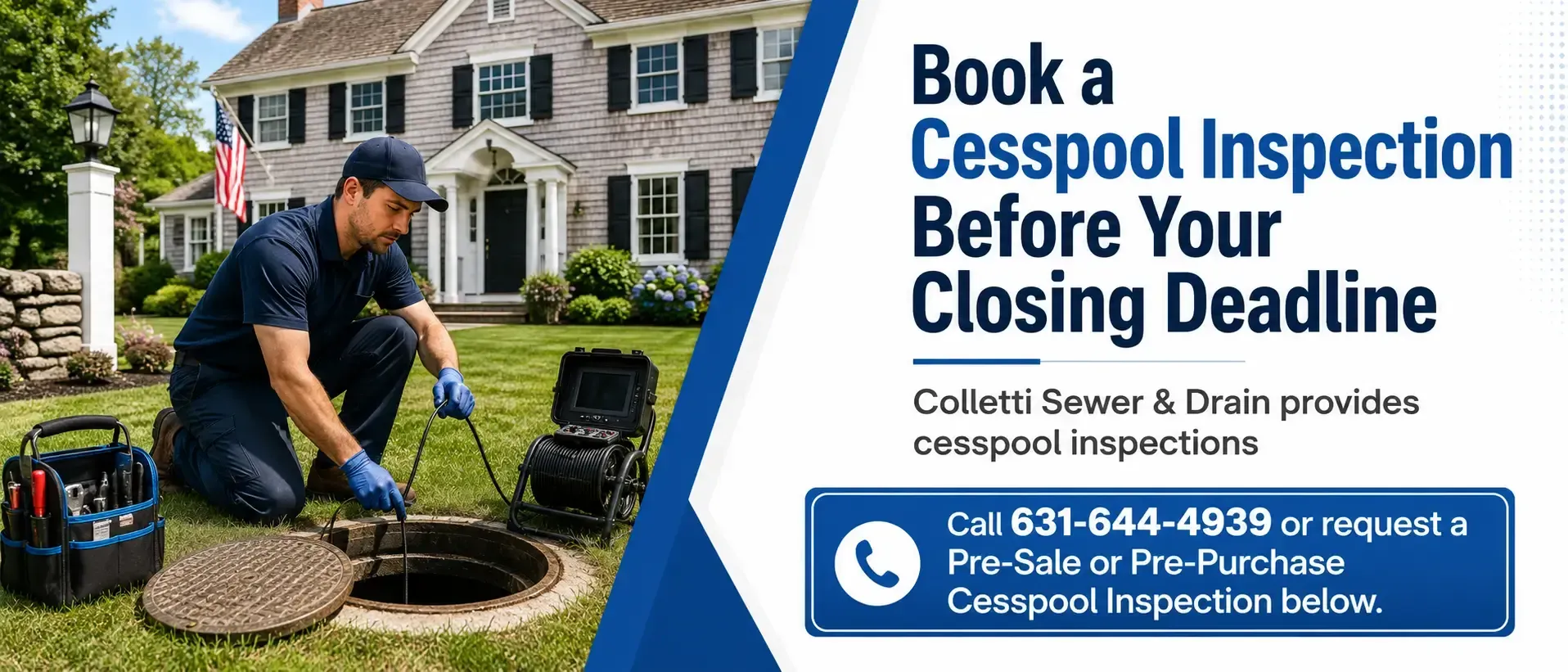
A real estate cesspool issue is easier to handle early. Once the inspection window is almost closed, every option gets harder.
If you are buying, selling, or representing a client in Suffolk County, schedule the inspection as soon as the property goes under contract. If you are preparing to list, schedule before the first serious buyer finds the issue for you.
Colletti Sewer & Drain provides cesspool inspections, dye testing, sewer camera inspection, pumping, repair, and replacement support across Suffolk County.
Call 631-644-4939 or request a Pre-Sale or Pre-Purchase Cesspool Inspection below.